|
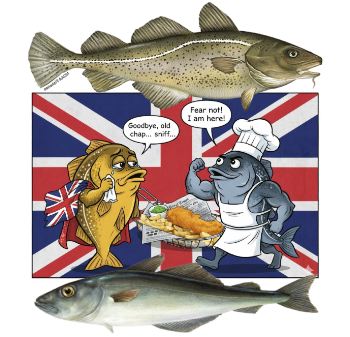
This move comes as UK fish and chip shop owners seek cheaper alternatives amid intense pressure from high prices and shrinking quotas
'Saithe and Chips' Could Replace Cod as UK Looks for Sustainable, Budget-Friendly Fish
 (UNITED KINGDOM, 11/25/2025)
Norwegian Push Promotes 'Coley' as Cod Stocks Dwindle and Prices Bite
The traditional "cod and chips" could soon face a sustainable challenger on menus across the United Kingdom. Experts and the Norwegian Seafood Council (NSC) are actively promoting saithe—also known as coley (scientific name: Pollachius virens)—as the ideal replacement for the beloved but overfished white fish. This move comes as UK fish and chip shop owners seek cheaper alternatives amid intense pressure from high prices and shrinking quotas for cod and haddock.
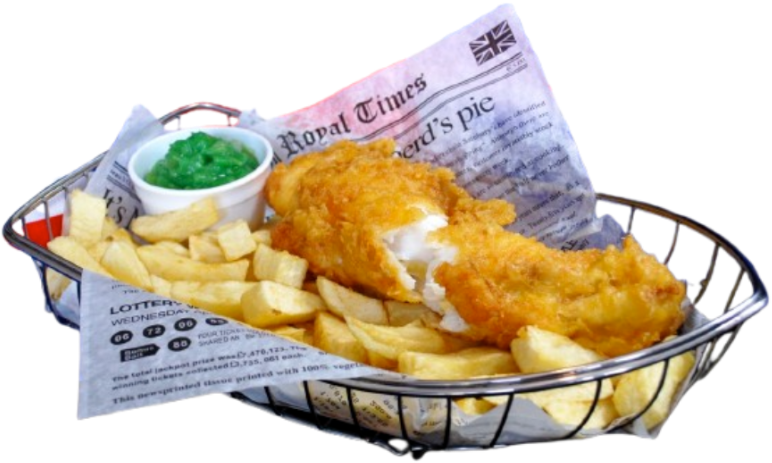
The UK's traditional 'Fish & Chips'
Saithe: A Sustainable, Flavourful Alternative
Saithe, a member of the pollock family found in the North Atlantic Ocean, is gaining traction due to its sustainability credentials and distinctive flavour.
-
Flavour and Texture: Unlike the blander taste often associated with cod, saithe boasts a stronger and more satisfying flavour. Chef, author, and environmental activist James Strawbridge in the UK called saithe "a great sustainable choice for white fish" with a delicate, sweet flavour and light, firm, and flaky texture. When raw, its flesh has a greyish colour, which has caused it to be overlooked, but it turns a clear white when cooked.
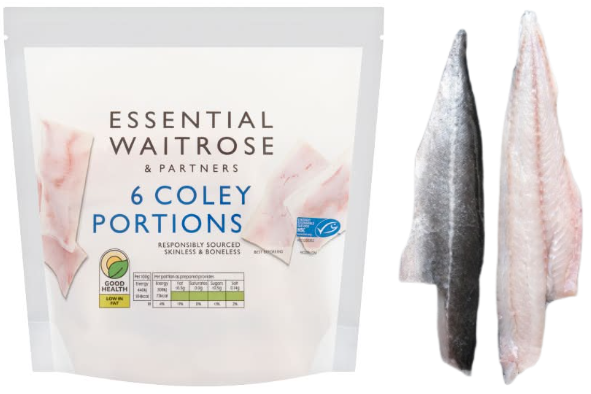
Colet (Saithe) product by Waitrose Supermarket (UK)
-
Versatility and Price: In addition to working well battered with chips, its firm texture makes it suitable for fish pies, fishcakes, croquettes, and rice dishes like jambalaya. Crucially for fish and chip shops, saithe is also often cheaper than cod and haddock, making it an economically smart choice.
-
Sustainability: Saithe is currently considered a sustainable fish, with thriving stocks in areas like the Barents Sea, thanks to the scientifically-driven management approach known as the Norwegian model. Quotas for saithe are often set at levels reflecting the Maximum Sustainable Yield (MSY). Conversely, conservationists, including the Marine Conservation Society, warn against eating the 'big five' overfished species, which includes cod and haddock.
The Norwegian Seafood Push
 The push to introduce saithe to the UK market is being led by Norwegian fishermen and the Norwegian Seafood Council. Bjørn-Erik Stabell, the NSC's UK director, has stressed the need to look beyond traditional choices. The push to introduce saithe to the UK market is being led by Norwegian fishermen and the Norwegian Seafood Council. Bjørn-Erik Stabell, the NSC's UK director, has stressed the need to look beyond traditional choices.
"The UK's fish and chip industry is extremely important – it's an institution," Mr Stabell told Restaurant. "But we need to look beyond cod and haddock – saithe is a great option."
The NSC is actively working to encourage the UK industry to make better use of this resource, noting they have received "fantastic feedback from restaurants and chefs who are able to look past the colour."
UK Consumption Trends and Quota Pressure
The shift towards saithe is a direct response to a significant supply-demand imbalance in the UK.
-
Supply Shortfall: Years of low cod and haddock quotas have increased pressure on chip shops to raise prices. The UK’s demand for cod and haddock vastly exceeds domestic supply, even with imports.
-
Import Statistics: In a recent 12-month period, the UK imported 191,149 tonnes of cod and 101,330 tonnes of haddock. In stark contrast, only 957 tonnes of saithe were imported, highlighting its low profile in the UK market compared to countries like France, Germany, Norway, and Sweden, where it is more popular.
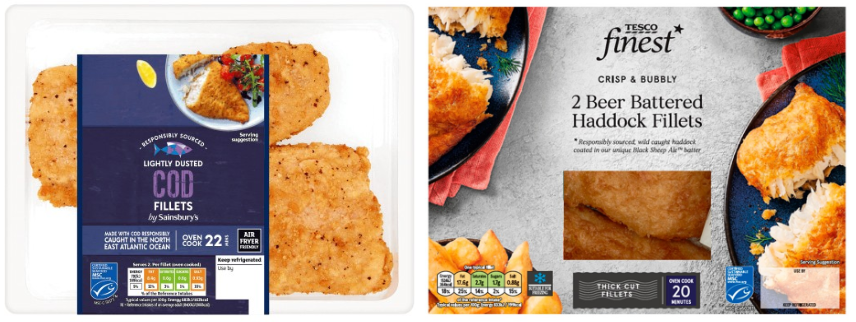
Cod and Haddock by Tesco Supermarket (UK)
-
Global Sourcing: The UK’s reliance on imported seafood is high, with an estimated 80 per cent of demand met by overseas fisheries. Research from the University of Exeter found the UK now imports more than six times as much seafood as in 1900, with the average imported fish travelling over 2,000 miles, often sourced from countries like China.
This environment creates a clear opportunity for saithe. Some English chippies are already experimenting with it, including Harrison's Fish and Chips in Oxford and The Scrap Box in York, paving the way for a potential staple change in the iconic UK dish.
[email protected]
www.seafood.media
Information of the company:
|
Address:
|
Stortorget 1 - P.O.Box 6176
|
|
City:
|
Tromsø
|
|
State/ZIP:
|
(N-9291)
|
|
Country:
|
Norway
|
|
Phone:
|
+47 776 033 33
|
|
Fax:
|
+47 776 800 12
|
|
E-Mail:
|
[email protected]
|
|
Skype:
|
https://www.instagram.com/norges_sjomatrad/
|
More about: 
|
|
|
|
|








 Print
Print