|
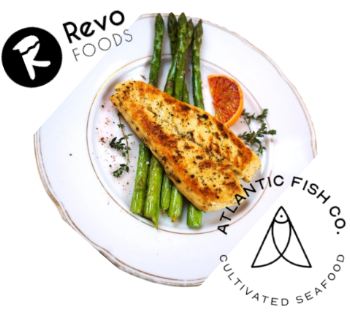
Photo: Stockfile/FIS
Revo Foods Applies 3D Structuring Technology to Cultivated Fish in Partnership with Atlantic Fish Co
 (AUSTRALIA, 1/27/2026)
Hybrid seafood collaboration targets scalable whole-cut formats by combining cultivated whitefish cells with industrial mycoprotein matrices
Atlantic Fish Co and Revo Foods have announced a strategic collaboration to develop next-generation hybrid seafood products that blend cultivated whitefish cells with mycoprotein-based 3D structuring technology. The partnership aims to tackle one of the cultivated seafood sector’s most persistent challenges: producing whole-cut fish alternatives that are both structurally convincing and economically scalable.
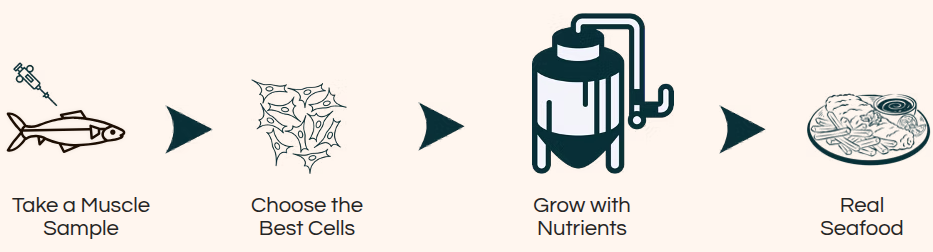
Atlantic Fish Co. cultivated seafood process
At the core of the collaboration is a shared focus on consumer-relevant formats. “More than 80% of whitefish products are consumed as whole cuts,” a spokesperson involved in the project said, underscoring why fillets and loins—not minced or formed products—are central to the companies’ strategy.
Based in North Carolina, Atlantic Fish Co has developed proprietary whitefish cell lines alongside tissue-engineering processes designed specifically for seafood applications. These technologies are intended to replicate the cellular composition and flavor profile of conventional whitefish species without relying on wild catch or aquaculture.
 Revo Foods, an Austrian food-tech startup headquartered in Vienna, contributes its 3D food extrusion and layering platform as well as its capability to produce mycoprotein at industrial scale. Mycoprotein, a fungi-derived protein already used in commercial food products, is valued for its fibrous structure, neutral flavor, and scalability, making it a promising carrier for cultivated cells. Revo Foods, an Austrian food-tech startup headquartered in Vienna, contributes its 3D food extrusion and layering platform as well as its capability to produce mycoprotein at industrial scale. Mycoprotein, a fungi-derived protein already used in commercial food products, is valued for its fibrous structure, neutral flavor, and scalability, making it a promising carrier for cultivated cells.
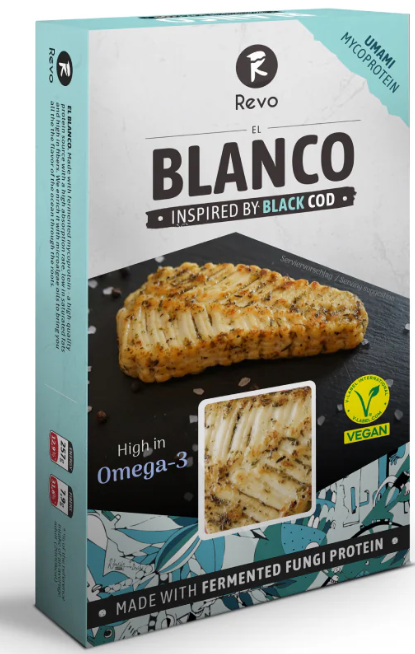
The collaboration builds on Revo Foods’ existing product platform, including “EL BLANCO – Inspired by Black Cod,” which uses layered protein structures to mimic the texture and mouthfeel of conventional fish. Within the scope of the partnership, this platform is being adapted to integrate Atlantic Fish Co’s cultivated whitefish cells, allowing the teams to test cell adhesion, texture development, sensory performance, and production efficiency.
Addressing structural and cost barriers
While cultivated seafood has made progress in producing unstructured products such as fish cakes and spreads, whole-cut formats remain technically complex and costly. Fully cultivated fillets require high cell densities, advanced scaffolding, and long maturation times—factors that have slowed commercialization across the sector.
The hybrid model pursued by Revo Foods and Atlantic Fish Co is designed to reduce these constraints. By embedding a smaller proportion of cultivated cells within a mycoprotein matrix, the approach could significantly lower production costs, reduce reliance on expensive growth media, and improve scalability without sacrificing sensory quality.
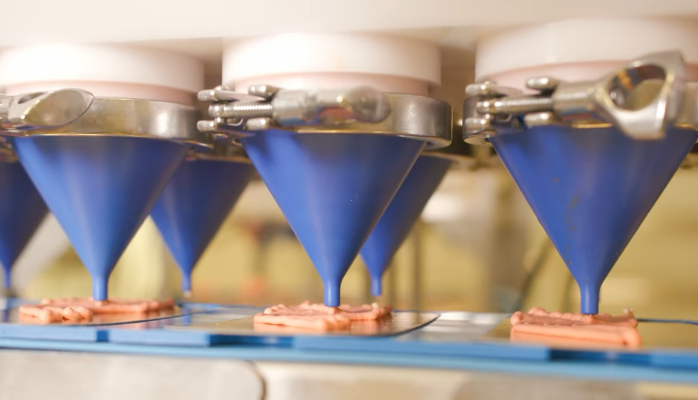
Rivo Food 3D technology
This strategy mirrors a broader trend in the alternative protein industry, where hybrid products—combining plant-based or fungal proteins with cultivated cells—are increasingly viewed as a near-term path to market. Industry analysts have pointed to hybrids as a way to bridge the gap between technological innovation and price parity with conventional seafood.
 From a business perspective, both companies bring growing momentum to the partnership. Atlantic Fish Co raised $1.2 million in seed funding in late 2025, supporting continued cell-line development and pilot-scale production. Revo Foods, founded in 2021, reported that it doubled its sales last year and expects to reach profitability by the fourth quarter of 2026. From a business perspective, both companies bring growing momentum to the partnership. Atlantic Fish Co raised $1.2 million in seed funding in late 2025, supporting continued cell-line development and pilot-scale production. Revo Foods, founded in 2021, reported that it doubled its sales last year and expects to reach profitability by the fourth quarter of 2026.
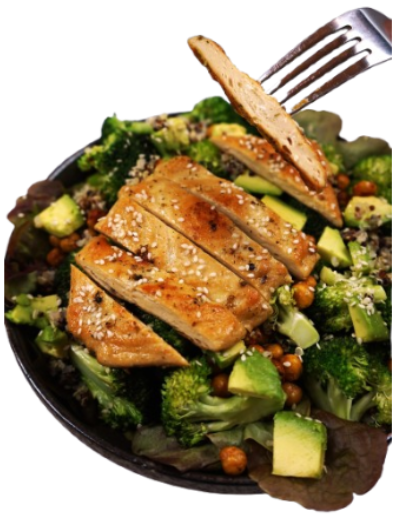
<-- PRIME CUT: Green Bowl by Revo Foods
Looking ahead, the partners say they are evaluating the hybrid platform not only for technical feasibility but also for regulatory pathways, manufacturing scale-up, and commercial readiness in key seafood markets. Products emerging from the collaboration are expected to position themselves as a pragmatic compromise—combining the sustainability promise of cultivated cells with the manufacturing maturity of existing protein technologies.
As pressure mounts on global fish stocks and demand for sustainable seafood alternatives grows, collaborations like this signal a shift toward commercially viable, structured seafood analogues that more closely match how consumers actually eat fish.
.png) Revo Foods、Atlantic Fish Coとの提携で培養魚に3D構造成形技術を適用 Revo Foods、Atlantic Fish Coとの提携で培養魚に3D構造成形技術を適用
培養ホワイトフィッシュ細胞と工業規模のマイコプロテインマトリックスを組み合わせ、スケーラブルな「ホールカット」形状を目指すハイブリッド水産食品の共同開発
Atlantic Fish Co と Revo Foods は、培養ホワイトフィッシュ細胞とマイコプロテイン(菌類由来タンパク質)を用いた3D構造成形技術を組み合わせた、次世代ハイブリッド水産食品を共同開発する戦略的パートナーシップを発表した。本提携は、培養水産物分野における最大の課題の一つである、構造を持つホールカット(切り身)製品を、現実的なコストで量産することに取り組むものだ。
この協業の中心にあるのは、消費者にとって最も重要な製品形態への注力だ。「ホワイトフィッシュ製品の80%以上はホールカットとして消費されています」と、プロジェクト関係者は述べ、ミンチ状や成形品ではなく、フィレやロインが両社の戦略の中核である理由を強調した。
ノースカロライナ州に拠点を置く Atlantic Fish Co は、水産用途に特化した独自のホワイトフィッシュ細胞株と組織工学プロセスを開発してきた。これらの技術は、天然漁業や従来型養殖に依存せず、一般的なホワイトフィッシュの細胞構成や風味特性を再現することを目的としている。
一方、オーストリア・ウィーンに本社を置くフードテック・スタートアップ Revo Foods は、3D食品押出・積層プラットフォームと、マイコプロテインの工業規模生産能力を提供する。マイコプロテインは、すでに商業食品で使用されている菌類由来タンパク質で、繊維状の構造、ニュートラルな風味、高いスケーラビリティが評価されており、培養細胞を組み込むための有望なキャリア素材とされている。
今回の協業は、Revo Foodsの既存製品プラットフォーム、特に 「EL BLANCO – Inspired by Black Cod」 を基盤としている。同製品は、層状に配置されたタンパク質構造によって、従来の魚の食感や口当たりを再現している。提携の枠組みの中で、このプラットフォームに Atlantic Fish Coの培養ホワイトフィッシュ細胞を組み込み、細胞の定着性、構造形成、官能特性、生産効率を評価する試験が行われている。
構造的・コスト面の課題への対応
培養水産物は、魚のすり身製品やスプレッドなどの非構造型製品では一定の進展を見せているものの、ホールカット形式は依然として技術的難易度とコストが高い分野とされている。完全培養フィレの製造には、高い細胞密度、高度な足場(スキャフォールド)技術、長い成熟期間が必要であり、これらが業界全体での商業化を遅らせてきた。
Revo Foods と Atlantic Fish Co が採用する ハイブリッドモデルは、こうした制約を緩和することを目的としている。培養細胞の使用量を抑えつつ、マイコプロテインマトリックスに組み込むことで、生産コストの大幅削減、高価な培養培地への依存低減、そしてスケールアップの容易化が期待されている。
このアプローチは、代替タンパク質業界全体に見られる潮流とも一致している。植物性や菌類由来タンパク質と培養細胞を組み合わせたハイブリッド製品は、短期的に市場投入可能な現実的解決策として注目されている。業界アナリストは、ハイブリッド戦略が技術革新と従来型水産物との価格競争力の間のギャップを埋める可能性があると指摘している。
事業面でも、両社は成長軌道にある。Atlantic Fish Co は 2025年末に 120万ドル(約1.2百万米ドル)のシード資金を調達し、細胞株開発とパイロット規模生産を進めている。2021年設立の Revo Foods は、前年に売上を2倍に伸ばしたと報告しており、2026年第4四半期の黒字化を見込んでいる。
今後、両社は技術的実現性に加え、規制対応、製造スケールアップ、主要水産市場での商業化準備状況についても検証を進めるとしている。本協業から生まれる製品は、培養細胞が持つ持続可能性の可能性と、既存タンパク質技術の産業的成熟度を組み合わせた、実用的な折衷案として位置付けられる見通しだ。
世界的な漁業資源への圧力が高まり、持続可能な水産代替品への需要が拡大する中で、今回のような協業は、消費者の実際の魚の食べ方に即した、商業的に実現可能な構造型水産代替品への転換を示す動きと言える。
.png) Revo Foods 与 Atlantic Fish Co 合作,将 3D 结构化技术应用于培育鱼类 Revo Foods 与 Atlantic Fish Co 合作,将 3D 结构化技术应用于培育鱼类
通过将培育白肉鱼细胞与工业化菌蛋白基质相结合,推进可规模化的整切式混合海鲜产品
Atlantic Fish Co 与 Revo Foods 宣布建立战略合作关系,共同开发新一代混合型海鲜产品,将培育白肉鱼细胞与基于菌蛋白(mycoprotein)的 3D 结构化技术相结合。此次合作旨在解决培育海鲜领域长期存在的核心难题之一:以具备真实结构感且具备经济可扩展性的方式生产整切式鱼类产品。
此次合作的核心在于聚焦消费者最常见、最具市场意义的产品形态。“超过 80% 的白肉鱼产品以整切形式被消费,”一位参与该项目的发言人表示,这也解释了为何鱼排和鱼柳,而非碎肉或重组产品,是双方战略的重点。
总部位于美国北卡罗来纳州的 Atlantic Fish Co 已开发出专有的白肉鱼细胞系以及专门面向水产应用的组织工程工艺。这些技术旨在不依赖野生捕捞或传统水产养殖的情况下,复刻常见白肉鱼的细胞组成和风味特征。
总部位于奥地利维也纳的食品科技初创公司 Revo Foods,则为合作提供其3D 食品挤出与分层成型平台,以及工业规模的菌蛋白生产能力。菌蛋白是一种源自真菌的蛋白质,已被广泛用于商业食品中,因其纤维状结构、风味中性和高度可规模化而受到青睐,被认为是承载培育细胞的理想基质材料。
此次合作建立在 Revo Foods 现有产品平台之上,其中包括 “EL BLANCO – Inspired by Black Cod”。该产品通过分层蛋白结构来模拟传统鱼类的质地和口感。在合作框架内,这一平台正被用于整合 Atlantic Fish Co 的培育白肉鱼细胞,以评估细胞附着性、结构形成效果、感官表现以及生产效率。
应对结构与成本挑战
尽管培育海鲜在鱼饼、酱料等非结构化产品方面已取得一定进展,但整切式产品在技术和成本层面仍面临较高门槛。完全由培育细胞构成的鱼排通常需要高细胞密度、复杂的支架结构以及较长的成熟周期,这些因素在行业层面持续制约着商业化进程。
Revo Foods 与 Atlantic Fish Co 推进的混合模式,正是为缓解这些限制而设计。通过在菌蛋白基质中引入较低比例的培育细胞,该方案有望显著降低生产成本,减少对昂贵培养基的依赖,并在不牺牲感官品质的前提下提升规模化可行性。
这一策略也契合了替代蛋白行业的整体趋势。将植物蛋白或真菌蛋白与培育细胞相结合的混合型产品,正被越来越多业内人士视为更具短期商业化潜力的路径。行业分析人士指出,混合模式有助于缩小技术创新与传统海鲜价格竞争力之间的差距。
在企业发展层面,双方也正处于上升阶段。Atlantic Fish Co 于 2025 年底完成了 120 万美元的种子轮融资,用于支持细胞系研发和中试规模生产。成立于 2021 年的 Revo Foods 表示,其去年销售额实现翻倍增长,并预计将在 2026 年第四季度实现盈利。
展望未来,双方表示将从技术可行性、监管路径、制造规模化以及关键海鲜市场的商业化准备程度等多个维度评估这一混合平台。通过此次合作开发的产品,预计将被定位为一种务实的折中方案——在融合培育细胞可持续发展潜力的同时,充分利用现有蛋白加工技术的产业成熟度。
在全球渔业资源压力不断加大、市场对可持续海鲜替代品需求持续增长的背景下,此类合作正显示出行业正向更贴近消费者实际食用方式、具备商业可行性的结构化海鲜替代品转型的趋势。
[email protected]
www.seafood.media
Information of the company:
|
Address:
|
Neudeggergasse 13,
|
|
City:
|
Wien
|
|
State/ZIP:
|
(1080)
|
|
Country:
|
Austria
|
|
E-Mail:
|
[email protected]
|
|
Skype:
|
https://www.instagram.com/revo_foods/
|
More about:
|
|
|
|








 Print
Print