|

Photo: Norwegian Seafood Council
Norway's Sustainable Seafood Model: A Global Blueprint for Food Security
 (NORWAY, 10/15/2025)
Responsible Fisheries and Zero-Waste Approach Meet Growing Demand for High-Quality, Consciously Sourced Seafood
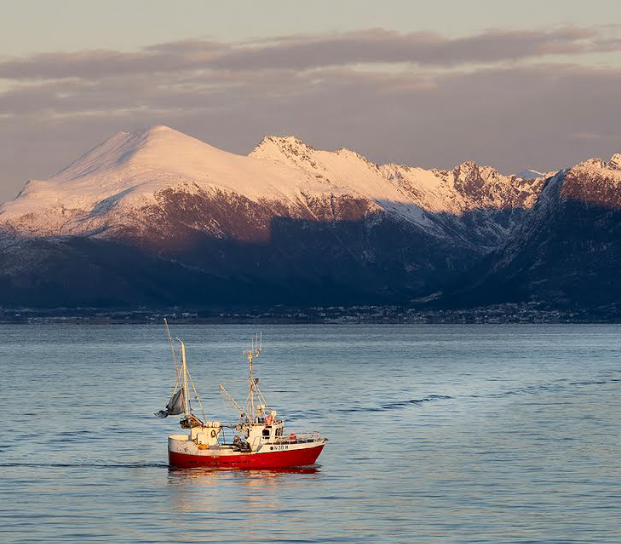 As World Food Day on October 16th draws near, highlighting the importance of global collaboration for a food-secure future, the Norwegian Seafood Council (NSC) is emphasizing Norway's long-standing commitment to ocean stewardship. This commitment, central to the Norwegian Seafood Management Model, ensures healthy oceans and food security for current and future generations. As World Food Day on October 16th draws near, highlighting the importance of global collaboration for a food-secure future, the Norwegian Seafood Council (NSC) is emphasizing Norway's long-standing commitment to ocean stewardship. This commitment, central to the Norwegian Seafood Management Model, ensures healthy oceans and food security for current and future generations.
A History of Sustainable Management
Norway was an early pioneer in integrating sustainability into fisheries management. In 1977, a long-term plan for the Norwegian fishing industry cemented sustainable resources as a core policy goal. The plan focused on social and economic aspects, aiming to preserve coastal communities and guarantee secure jobs with competitive incomes.
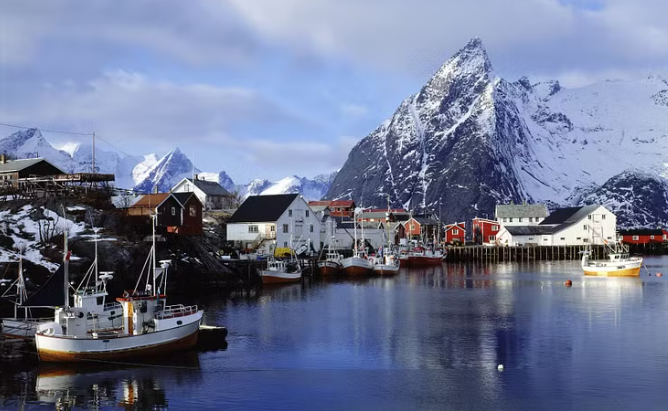
Meeting Conscious Consumer Demand
Today, Norway's zero-waste ambitions and responsible harvesting practices are seen as a vital component in the global quest for food security. Research from the NSC reveals that approximately half of global consumers are willing to pay more for sustainably sourced fish. This growing demand calls for traceable products that enable consumers to make responsible food choices.
The Norwegian Management Model sustains an industry built on collaboration, trust, and scientific research. In line with World Food Day's focus on a "peaceful, sustainable, prosperous and food-secure future," the NSC reaffirmed a commitment made during COP28: a greater share of the world's future food must come from the ocean. This vital, underutilized source offers nutritious and climate-friendly food to address growing global challenges in sustainability and food security.
.jpg)
Striving for Zero Waste through Full Utilization
Sustainable management and catching practices are only fully effective if resources are utilized entirely. Following strict quotas from previous years, the question of sustainable, full utilization is more pertinent than ever. Recent studies show that the whitefish industry in Norway has significantly increased its use of residual raw material, with 70% now fully utilized in 2024.
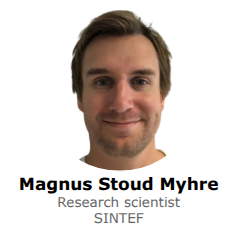 Magnus Stoud Myhre, a research scientist at SINTEF, attributes this to a heightened, decade-long focus on utilizing the entire fish. "This is probably due to a stronger overall focus on utilizing the entire resource... driven by various factors including declining quotas," he stated. Reduced availability of the 'main product'—fish fillets—has spurred a growing market for by-products like skin, heads, and backs. Magnus Stoud Myhre, a research scientist at SINTEF, attributes this to a heightened, decade-long focus on utilizing the entire fish. "This is probably due to a stronger overall focus on utilizing the entire resource... driven by various factors including declining quotas," he stated. Reduced availability of the 'main product'—fish fillets—has spurred a growing market for by-products like skin, heads, and backs.
Myhre explained that residual raw materials, such as dried heads and backs, are exported to foreign markets for human consumption to meet continuously increasing global demand for marine proteins. Another key application is silage processing, which creates protein ingredients commonly sought by various feed sectors.
World-Class Fisheries Management
Norway's rigorous catch guidelines and responsible fisheries management ensure the delivery of high-quality, sustainable fish. Strict quotas ensure that Norwegian fisheries are sustainably managed, which in turn are vital in supporting communities, such as those involved in the skrei cod fishery in northern Norway.
 FIS seafood Media.png) The Norwegian fisheries management model is founded on close cooperation between the Norwegian government, scientists, and experts from third-party institutions who collaborate to responsibly set quotas. The Norwegian fisheries management model is founded on close cooperation between the Norwegian government, scientists, and experts from third-party institutions who collaborate to responsibly set quotas.
Bjørn-Erik Stabell, UK director and former head of strategy and sustainability at the NSC, emphasized the importance of this collaborative, science-based approach. "Research-based knowledge and guidance are crucial for ensuring sustainable seafood management," he said. "Through this approach, the Norwegian seafood industry must always adhere to sustainable practices. I think this can make it easier to choose fish from healthy stocks, which is a good way to meet the growing consumer demand for conscious consumption."
As sustainable fisheries management and full-fish utilization grow in importance, these Norwegian examples of effective resource management can serve as a guide. The industry affirms that while a greater share of the future food supply must come from the ocean, it must be achieved through the continued responsible use of resources.
[email protected]
www.seafood.media
Information of the company:
|
Address:
|
Stortorget 1 - P.O.Box 6176
|
|
City:
|
Tromsø
|
|
State/ZIP:
|
(N-9291)
|
|
Country:
|
Norway
|
|
Phone:
|
+47 776 033 33
|
|
Fax:
|
+47 776 800 12
|
|
E-Mail:
|
[email protected]
|
|
Skype:
|
https://www.instagram.com/norges_sjomatrad/
|
More about: 
|
|
|
|







 Print
Print