IN BRIEF - «Seafood With Taste» returns to Conxemar
SPAIN
Friday, October 02, 2026
The campaign spearheaded by Pesca España, OPPC-3, and OPPF-4 returns to the fair with a new initiative to continue bringing trawl fishing and its products closer to the public—this time with gastronomy and music taking center stage.
ICES has advised that the total allowable catch (TAC) for north-east Atlantic mackerel in 2027 should be 352,938 tonnes, representing a 102% increase on its advice for 2026. The assessment puts current spawning stock biomass at 3.2 million tonnes and forecasts this will rise to 3.34 million tonnes in 2028.
Ross-shire firm highlights responsible growth as a model for aquaculture
Aquascot, based in Alness, became Scotland’s first seafood processor certified B Corp. The salmon and trout supplier to Waitrose says the milestone shows commercial success can combine with animal welfare, environmental management and responsible aquaculture.
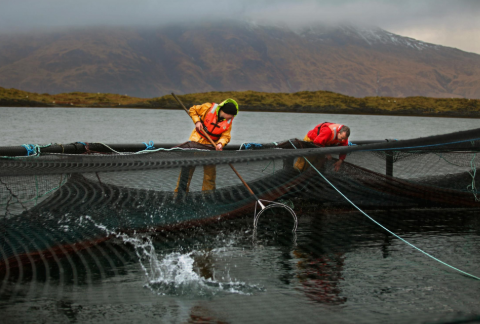
Official figures reveal a huge increase in escaped farmed fish during 2025.
Scotland recorded 86,606 farmed fish escapes in 2025, up from just 301 in 2024. The surge was driven by about 75,000 salmon escaping into Loch Linnhe after storms damaged a Mowi farm. The figures have renewed concerns over interactions between escaped farmed salmon and vulnerable wild stocks.
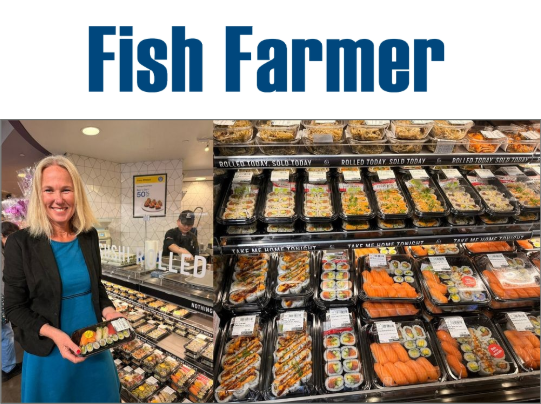
Sushi may be one of the fastest growing seafood categories, but it has been around for more than 2,000 years ago, starting out in southern China as a way of preventing fish from going bad, using, initially, fermentation in cooked rice and then vinegar.
With the availability of refrigeration in modern times, vinegar is now used as a flavour pairing rather than a preservative. Sushi was enthusiastically adopted by Japan, where it has since developed into a national favourite. Salmon only came into the picture in the 1980s after a Norwegian seafood delegation flew to Tokyo on an export mission.Now the dish has dramatically taken hold in arguably the most important market of all – the United States.
Author: Vince McDonagh / Fish Farmer | Read the full article here
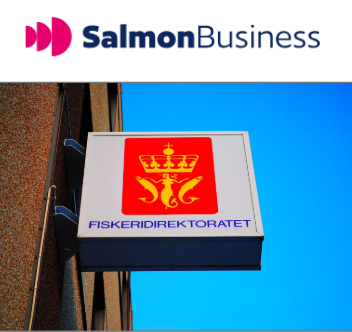
Norwegian regulators are moving towards a more coordinated inspection model for salmon farming.
The Norwegian Directorate of Fisheries and the Norwegian Food Safety Authority, Mattilsynet, said they had carried out a joint inspection campaign in production area 4, stretching from Nordhordland to Stad.
The operation was risk-based and brought the two agencies together to follow both fish and documentation across different parts of the production chain.
Source: SalmonBusiness | Read the full article here
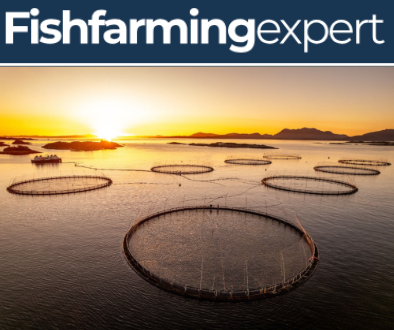
Nearly 7,000 verified environmental and social improvements were recorded at Aquaculture Stewardship Council-certified farms around the world in 2025, according to the ASC’s newly published 2025 Impact Report.
The report also reveals there were 2,543 ASC-certified farms across 51 countries operating last year, and that more than 2.9 million tonnes of ASC-certified seafood was produced, up 9% year-on-year.
The number of ASC-certified feed mill sites reached 91, up from 22 in 2024, and there were 30,236 ASC-labelled products available globally.
Source: fishfarmingexpert | Read the full article here
Regional agencies seek closer coordination on management, monitoring and control
Bulgaria and Romania discussed joint action with the GFCM and Ukraine, sharing expertise and improving fisheries management, inspections and monitoring across the Black Sea.
Measure targets imports and strengthens inspections and labeling
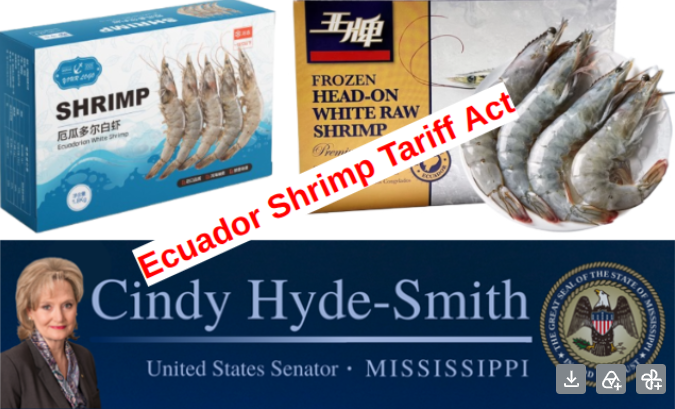
Sen. Cindy Hyde-Smith introduced the Ecuador Shrimp Tariff Act, proposing tariffs up to 40% by 2029 plus $0.10/kg to fund inspections and tighter origin labeling.
Ecuador, now supplying over 40% of U.S. shrimp imports, shipped 316 million lb in H1 2026.
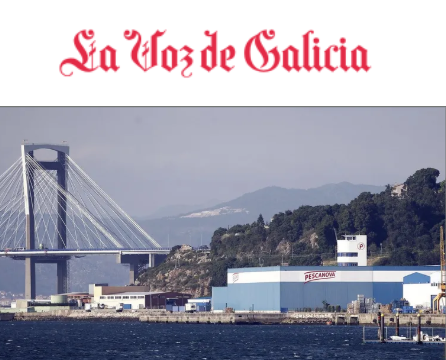
The Galician company retains ownership of its frozen products division. The Ecuadorian firm, specializing in Vannamei shrimp, is advancing its expansion across Europe.
Nueva Pescanova has completed the sale of its chilled products business in France to the Ecuadorian group Omarsa, a specialist in the production and vertical integration of Vannamei shrimp. The transaction is part of a strategic asset review launched by the Galician seafood company earlier this year to improve efficiency and boost value creation following a return to profitability—posting a profit of €1.1 million on revenues of €1.035 billion.
Author: Alejandra Pascual / La Voz de Galicia | Read the full article here




 SPAIN
SPAIN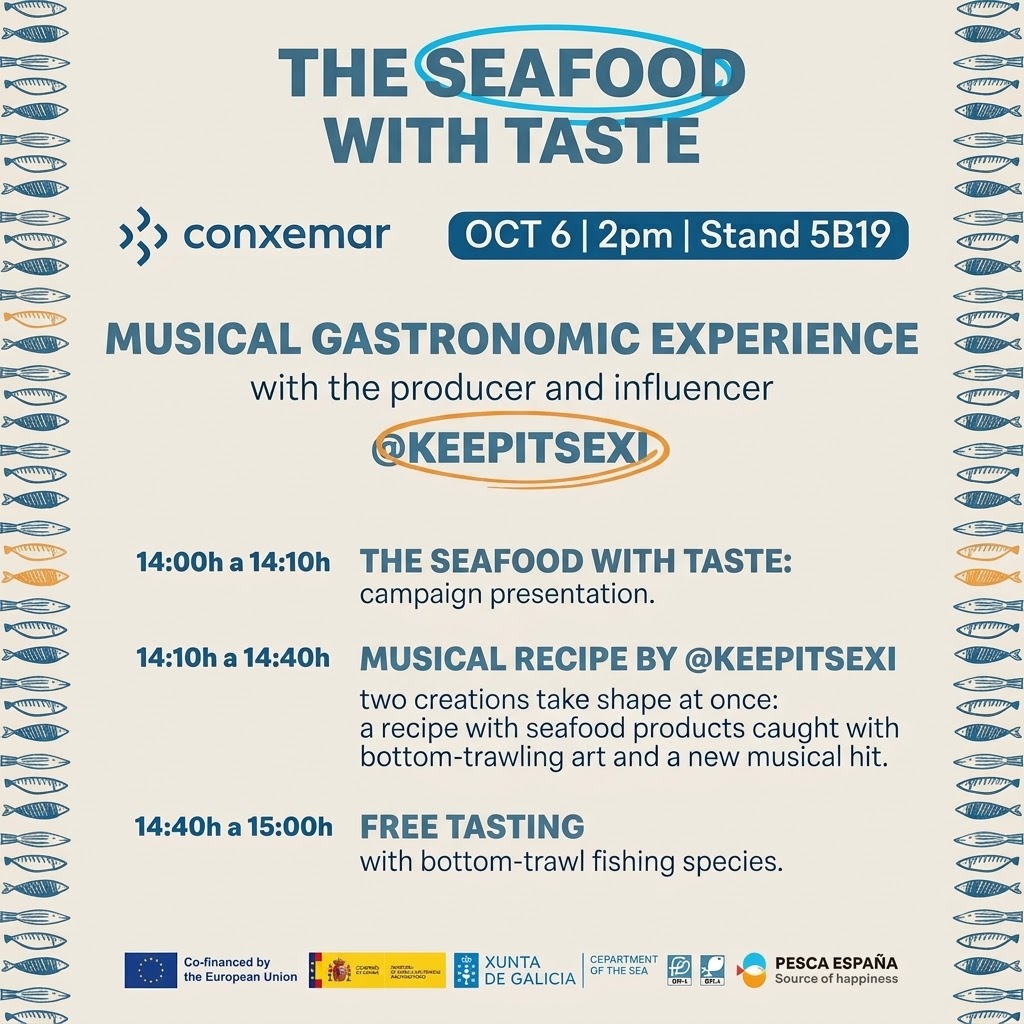
 WORLDWIDE
.png)
 UNITED KINGDOM
.png) UK mackerel fishermen and processors have welcomed a doubling of recommended catches, while urging wider international management agreement
UK mackerel fishermen and processors have welcomed a doubling of recommended catches, while urging wider international management agreement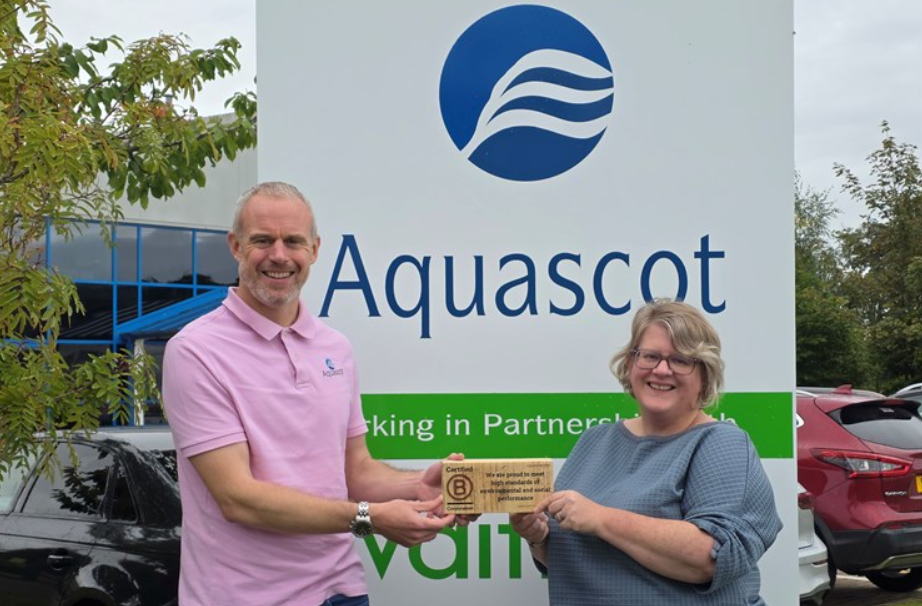 Ross-shire firm highlights responsible growth as a model for aquaculture
 Official figures reveal a huge increase in escaped farmed fish during 2025.
 UNITED STATES
 With the availability of refrigeration in modern times, vinegar is now used as a flavour pairing rather than a preservative. Sushi was enthusiastically adopted by Japan, where it has since developed into a national favourite. Salmon only came into the picture in the 1980s after a Norwegian seafood delegation flew to Tokyo on an export mission.Now the dish has dramatically taken hold in arguably the most important market of all – the United States.
 NORWAY
 Norwegian regulators are moving towards a more coordinated inspection model for salmon farming.
 Nearly 7,000 verified environmental and social improvements were recorded at
  BULGARIA
.png) Regional agencies seek closer coordination on management, monitoring and control
Regional agencies seek closer coordination on management, monitoring and control ECUADOR
 Measure targets imports and strengthens inspections and labeling
 The Galician company retains ownership of its frozen products division. The Ecuadorian firm, specializing in Vannamei shrimp, is advancing its expansion across Europe.