Other Media | fishfarmingexpert: Ocean Farm Services orders catamaran from Norway
UNITED KINGDOM
Wednesday, August 19, 2026
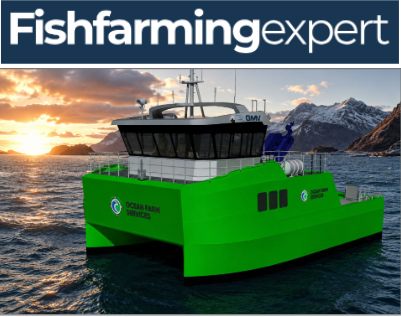
The Shetland net washing company has chosen a new-build from Grovfjord Mek. Verksted 2.0 (GMV) after positive experience with a sister vessel bought second hand
For GMV, the delivery will be the first to the aquaculture industry outside of Norway.
The new service catamaran will be 14.99 metres long and 10.4 metres wide. The vessel has been designed by GMV 2.0 and will be built at the shipyard's own facility in Grovfjord.
The vessel, which will be given construction number 191, will be part of Ocean Farm Services' operations in the Scottish aquaculture industry, with a particular focus on cleaning nets.
Source: fishfarmingexpert | Read the full article here
The funding will support new RAS facilities in Germany and Spain.
German aquaculture firm Oceanloop has secured USD 44.5 million (EUR 38.5 million) to expand land-based giant grouper production. A 250-ton RAS farm in Kiel, Germany, is planned from late 2026, followed by a 2,000-ton facility in Gran Canaria, Spain, from 2029.
Oceanloop noted grouper's appeal in Asian seafood markets as attractive for professional kitchens, foodservice, and premium seafood distribution.
The investment will also support a 2,000-ton commercial facility in Gran Canaria, Spain, that will begin construction in 2029. Oceanloop has a local subsidiary on the island currently, and the new site will become the company's first industrial-scale production platform.
The ruling clears a key legal hurdle for the 19.71-acre, 20-year shellfish farming project in Eastern Bay, near Bar Harbor.
MAINE — The Maine Supreme Judicial Court rejected an appeal by Friends of Eastern Bay, upholding the Department of Marine Resources decision granting Acadia Aqua Farms a 19.71-acre aquaculture lease. The project will cultivate blue mussels and other shellfish, subject to conditions addressing noise and visual impacts.
Bilateral talks in Reykjavik explored new opportunities in fisheries, maritime sustainability, capacity building and the Blue Economy.
India and Iceland are seeking to deepen cooperation in fisheries, green shipping and capacity building. During talks in Reykjavik, Indian Ambassador R. Ravindra met Infrastructure Minister Eyjolfur Armannsson to discuss collaboration in sustainable maritime development. The dialogue reinforces bilateral cooperation in the Blue Economy, clean technologies and more sustainable use of marine resources.
Landmark ruling finds constitutional duty breached amid concerns over depleted fish stocks and commercial fishing practices.
A Superior Court judge ruled North Carolina failed to protect its coastal fisheries. The case, filed by CCA North Carolina in 2020, cited decades of mismanagement, overfishing and shrimp trawling, including juvenile fish lost as bycatch.
New Zealand has fast-tracked the approval of a salmon farm off of Rakiura, or Stewart Island, marking the first time an aquaculture project has been approved via the government’s fast-track process.
Ngai Tahu Seafood has attempted several times to get its Hananui Aquaculture Project approved by the New Zealand government.
The company first tried in 2019 to secure consent from authorities under the Resource Management Act, but withdrew that application. The firm then reapplied in 2020 under the country’s Covid-19 fast-track framework, but that application was denied in 2023.
Author: Teddy Hans / SeafoodSource | Read the full article here
Lerøy Seafood Group reported a 16% fall in operational EBIT for the second quarter as lower salmon and trout harvest volumes and weaker downstream margins weighed on earnings.
Operational EBIT fell to NOK 574 million (€52.6 million/$60.9 million) from NOK 680 million in the same period last year. Revenue declined 11% to NOK 7.89 billion (€724 million/$838 million).
Harvest volumes of salmon and trout fell 8% to 44,747 tonnes gutted weight. Farming operational EBIT slipped to NOK 236 million (€21.6 million/$25.1 million) from NOK 256 million, although EBIT per kilo edged up to NOK 5.30 from NOK 5.20.
Source: SalmonBusiness | Read the full article here
Health authorities in France have issued an alert regarding the voluntary recall of fresh albacore tuna loins under the Bigfish brand after detecting histamine, a toxin that causes severe food poisoning and allergic reactions.
The fish, sold vacuum-packed with skin in 2 and 6-kilo formats, was distributed between August 4 and August 7, 2026, through Super U in Plouarzel. The action targets batch 26072026, featuring traceability code MDV/LHP/ALAM6/23G26/YFT and an expiration date of August 9, 2026.
The official body RappelConso, which released the notification on August 17, 2026, urges consumers not to eat the product and to return it to the point of purchase for a full refund. Consuming this toxin can rapidly trigger symptoms such as flushing, facial swelling, headaches, nausea, vomiting, or gastrointestinal distress.
Investment, regional cooperation and sustainable production are expanding opportunities across the continent.
Africa is strengthening its blue economy, with fisheries and aquaculture driving food security, jobs and trade. A $9.2 million programme generated over 500,000 tonnes of cross-border fish trade, while new investments target sustainable growth.
Fishing sector bears full brunt of diesel price hikes over six months as aid remains unpaid
Since March 22, vehicles have been compensated for fuel price increases caused by the conflict in the Middle East whenever they refuel. Five months after the Government announced compensation of up to 20 cents per liter to offset rising fuel costs, fishermen have yet to receive "a single euro," even though the Ministry of Fisheries published lists of eligible vessels and the corresponding amounts for each shipowner back in mid-June. Facing mounting pressure, they continue to pay out of pocket to try to earn a living and keep supplying seafood. Burdened by nearly six months without fuel aid, balancing the books is becoming impossible.
Authors: S. M. / Rosa Estévez / Melissa Rodríguez / Marcos Gago / La Voz de Galicia | Read the full article here
The geopolitical crisis in the Middle East and its impact on maritime traffic have left their mark on Germany's main port—and one of Europe's most important ones. The Port of Hamburg closed the first half of 2026 with a total throughput of 56.1 million tonnes, a 3.1% decrease compared to the same period the previous year. The Hamburg Port Authority (HPA) has largely attributed this decline to a drop in imports of petroleum products resulting from the war in Iran.
Despite the decline in total traffic, container throughput showed positive growth during the first six months of the year. Hamburg handled 4 million TEUs between January and June, representing a year-on-year increase of 3.8%. In terms of tonnage, growth reached 4%.
Source: Industrias Pesqueras | Read the full article here
Gangwon seeks to turn East Sea bluefin tuna into a high-value industry South Korea
Sajo Seafood, Gangwon Province, Suhyup, and Catholic Kwandong University promote a model based on processing, ultra-deep freezing, and cold chain.
The South Korean province of Gangwon has taken the f...
Icelandic Fish Landings Drop 51% Year-on-Year in July Iceland
The monthly contraction was driven by a 74% slump in pelagic catches, though accumulated volume over the last twelve months maintains an 8% growth.
REYKJAVÍK — Landings volume by the Ice...
Copyright 1995 - 2026 Seafood Media Group Ltd.| All Rights Reserved. DISCLAIMER



 UNITED KINGDOM
 For GMV, the delivery will be the first to the aquaculture industry outside of Norway.
 GERMANY
.png)
 UNITED STATES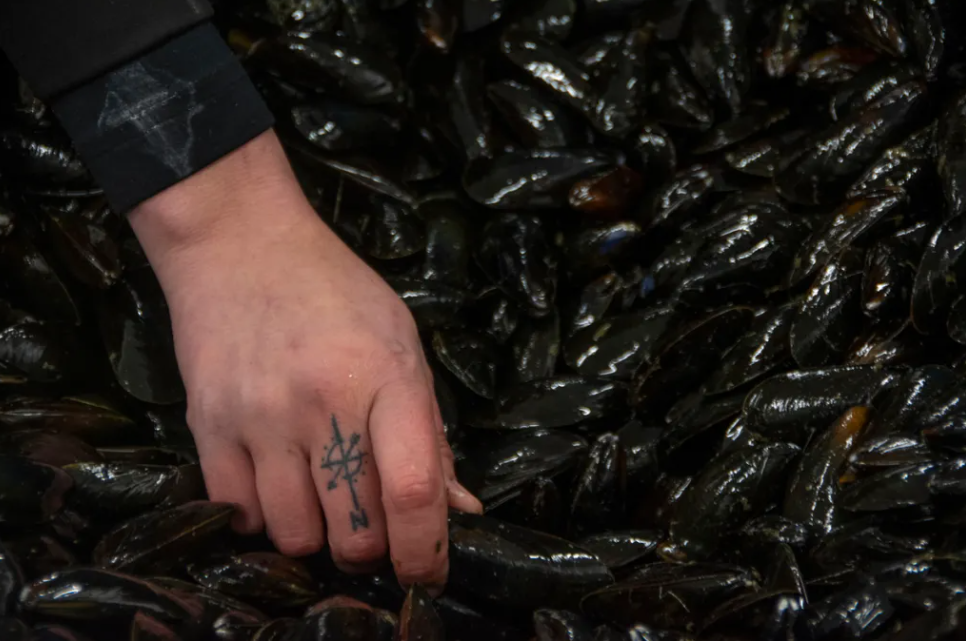
 INDIA
INDIA.png)
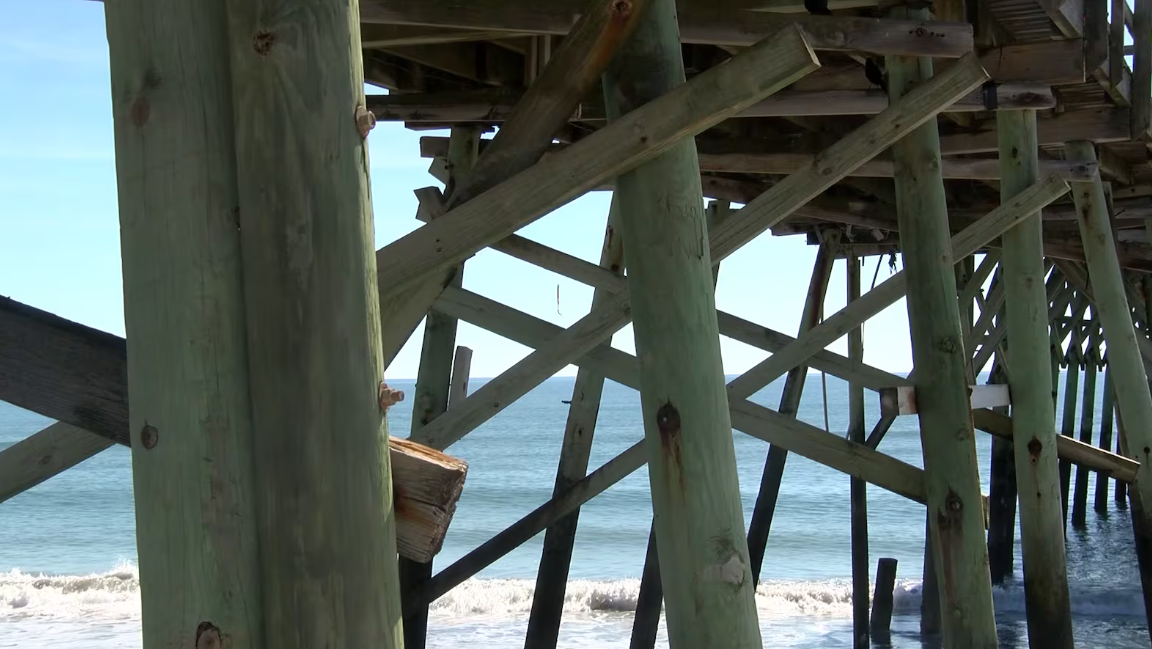 Landmark ruling finds constitutional duty breached amid concerns over depleted fish stocks and commercial fishing practices.
 NEW ZEALAND
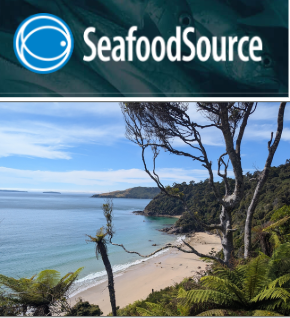 New Zealand has fast-tracked the approval of a salmon farm off of Rakiura, or Stewart Island, marking the first time an aquaculture project has been approved via the government’s fast-track process.
 NORWAY
.png) Lerøy Seafood Group
Lerøy Seafood Group FRANCE
.png)
 GHANA
GHANA.png) Investment, regional cooperation and sustainable production are expanding opportunities across the continent.
Investment, regional cooperation and sustainable production are expanding opportunities across the continent. SPAIN
SPAIN.png) Since March 22, vehicles have been compensated for fuel price increases caused by the conflict in the Middle East whenever they refuel. Five months after the Government announced compensation of up to 20 cents per liter to offset rising fuel costs, fishermen have yet to receive "a single euro," even though the Ministry of Fisheries published lists of eligible vessels and the corresponding amounts for each shipowner back in mid-June. Facing mounting pressure, they continue to pay out of pocket to try to earn a living and keep supplying seafood. Burdened by nearly six months without fuel aid, balancing the books is becoming impossible.
Since March 22, vehicles have been compensated for fuel price increases caused by the conflict in the Middle East whenever they refuel. Five months after the Government announced compensation of up to 20 cents per liter to offset rising fuel costs, fishermen have yet to receive "a single euro," even though the Ministry of Fisheries published lists of eligible vessels and the corresponding amounts for each shipowner back in mid-June. Facing mounting pressure, they continue to pay out of pocket to try to earn a living and keep supplying seafood. Burdened by nearly six months without fuel aid, balancing the books is becoming impossible.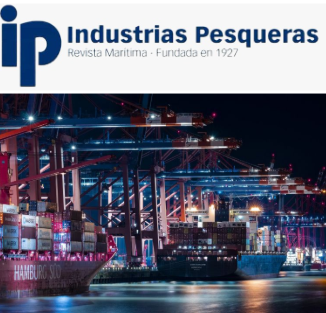 The geopolitical crisis in the Middle East and its impact on maritime traffic have left their mark on Germany's main port—and one of Europe's most important ones. The Port of Hamburg closed the first half of 2026 with a total throughput of 56.1 million tonnes, a 3.1% decrease compared to the same period the previous year. The Hamburg Port Authority (HPA) has largely attributed this decline to a drop in imports of petroleum products resulting from the war in Iran.