IN BRIEF - Temporary Closure of the Loligo Squid Fishing Season
FALKLAND ISLANDS
Friday, August 08, 2025
The Fisheries Department of the Falkland Islands Government (FIG) has issued a 48-hour closure notice for the winter loligo fishery season.
Stanley - The fishery, which opened on July 27, saw a rapid drop in initial catches. An initial, or starting, biomass mean estimate of just over 29,735 tonnes was subsequently revised down to 21,695 tonnes. Since then, catches have caused the mean biomass estimate to fall to 14,722 tonnes, with a lower confidence interval value of 6,539 tonnes.
On the grounds of conservation and long-term sustainability of the stock, a closure notice has therefore been issued. This notice is subject to an ongoing assessment of catches, and the closure date may change based on scientific analysis.
Work is ongoing between the industry and the Fisheries Department to identify a timeframe and vessel for a subsequent scientific survey, at which point the biomass estimate will be reassessed. This survey will inform whether the season reopens or remains closed.
This temporary closure follows two years of disappointing second loligo seasons. The FIG remains committed to working with industry members to ensure the continued sustainability of the fishery.
Group urges stronger cooperation on key shared stocks
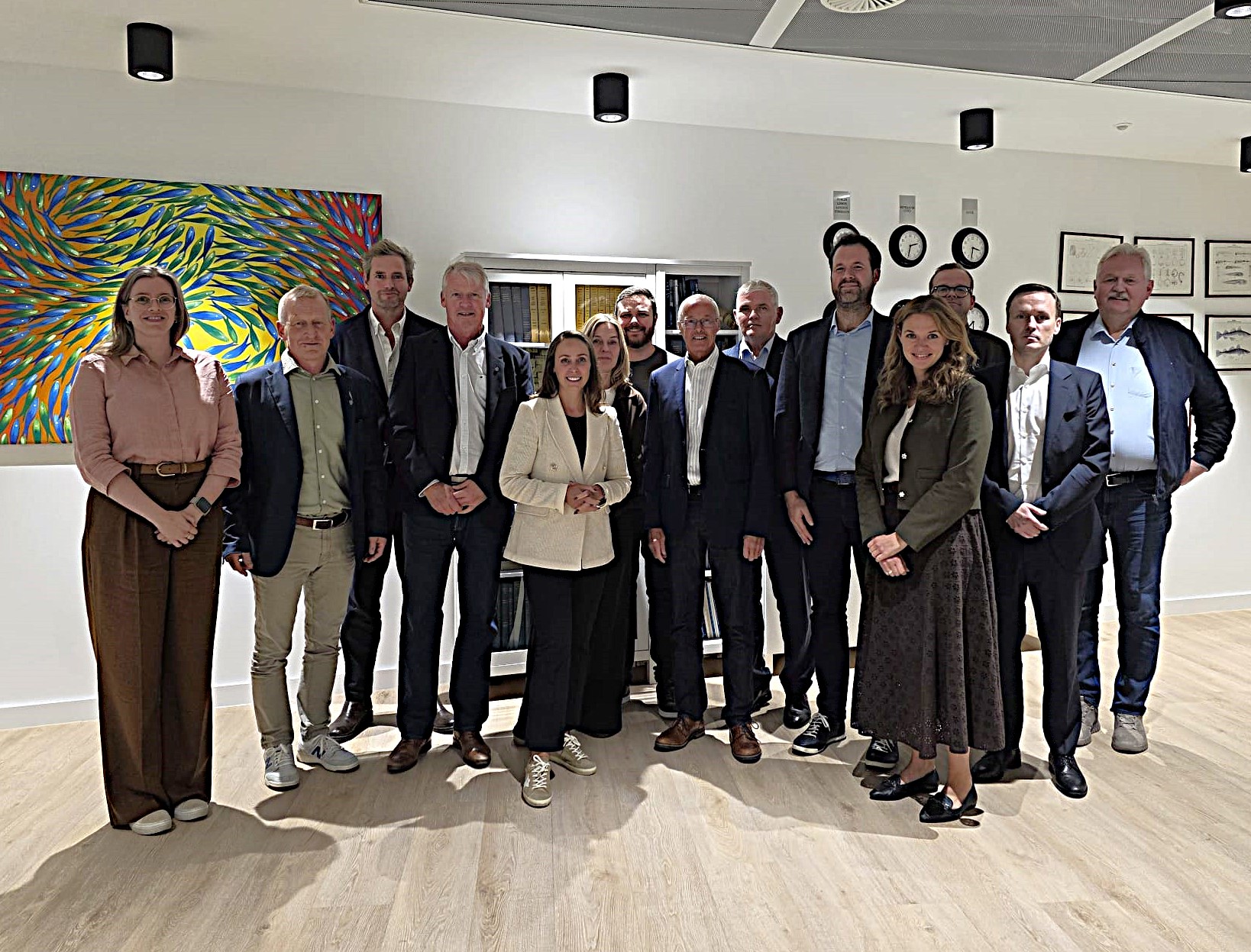
Representatives from the EU, Faroes, Iceland, Norway and UK met on 16 September to improve management of mackerel, blue whiting and Atlanto-Scandian herring, calling for better industry data and faster adoption of sustainable plans. Talks resume in October.
It also discussed the importance of encouraging national governments to take swifter action in pursuing the implementation of sustainable management plans for stocks.
Government promotes technology and financing to boost jobs and production
Tanzania urged youth to invest in aquaculture as output reached 124,000 tonnes in 2025, up from 44,735 tonnes in 2021. Deputy Minister Ng’wasi Kamani highlighted loans for fish cages and modern farming, while fish consumption rose to 10.2 kg per capita.
The expansion of aquaculture comes amid rising domestic demand for fish.
CAFFAN marks 20 years promoting food security, circular economy and economic empowerment
Nigeria’s CAFFAN Oyo will celebrate its 20th anniversary on November 19–21 in Ibadan. The event aims to advance urban aquaculture and integrated farming to strengthen food security, circular economy, and women & youth empowerment, alongside training, networking and fisheries technology
Collector urchin could open a new high-value aquaculture market
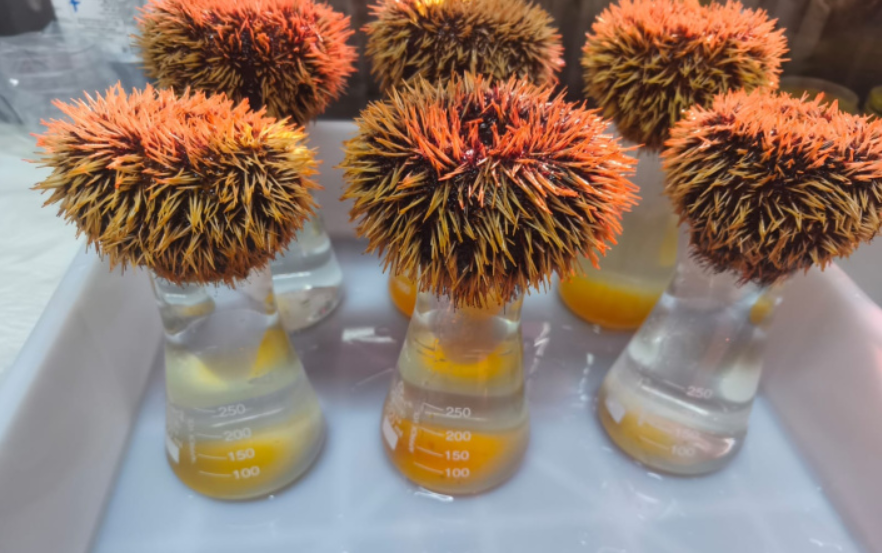
The Sea Urchin Facility (SURF) in Providence is studying controlled production of native collector sea urchin (Tripneustes gratilla) for uni, a prized delicacy, while assessing farming systems, markets and distribution needed for future commercial scale-up.
KKP plans broader upgrade of 4,582 vessels by 2029
Indonesia’s KKP aims to modernize 950 fishing vessels in 2027, tackling aging fleets, high costs and catch quality. The plan forms part of a 4,582-vessel upgrade by 2029, backed by priority programs and a Rp16.65 trillion (US$912m) 2027 budget.
Regional partnership combines Hokkaido seafood with Noto processing expertise
Sugiyo Group and Marusa Sasaya Shoten developed two products: ajillo made with farmed Kushiro Akane Salmon and Hokkaido saury fermented using Noto’s traditional rice-bran technique. The initiative supports Noto’s seafood sector after the 2024 earthquake.
Aquaculture technology supplier AKVA Group has agreed to sell its industrial property at Hitra in central Norway while retaining the site under a 13-year lease.
Bevest subsidiary Corvus Estate will acquire the property at Kalvøyveien 13 on Jøsnøya, with the transaction expected to close this month, according to a stock-exchange announcement on Thursday. No purchase price was disclosed.A new purpose-built facility will also be constructed on the property and leased to AKVA once completed. Until then, the company will continue operating from the existing building.
Source: SalmonBusiness | Read the full article here
Europêche is pleased to announce that the Danish Pelagic Producers Organisation (DPPO) has officially joined the organisation as its newest member, further strengthening the collective voice of the European fishing sector at both EU and international levels.
Representing one of Europe’s leading pelagic fishing organisations, DPPO brings extensive expertise in the sustainable management of pelagic fisheries, a strong commitment to science-based decision-making, and a proven track record in promoting responsible fishing practices and high-quality seafood production.
Celebrating 40 years since the association’s founding, the Association of Scottish Shellfish Growers (ASSG) will be holding its annual conference in Oban this October
The Corran Halls in Oban will again host the annual gathering of farmed shellfish producers and supporters celebrating the achievements of the Scottish industry.
The two-day event, sponsored by the Crown Estate Scotland with co-sponsors of Seafish and Seafood Scotland, features both national and international presentations from as far afield as New Zealand.
Author: Robert Outram / Fish Farmer | Read the full article here
The shipment arrived at the port of Corinto and was transported to Managua. The company plans future operations and a quarterly supply schedule.
AquaChile has made its first shipment of salmon to Nicaragua. The operation marks the company's entry into a new Central American market.
The start of exports was made possible following sanitary authorization allowing the product to be shipped from Chile to the Nicaraguan market. The cargo was processed at AquaChile’s Calbuco plant and subsequently arrived at the port of Corinto, Nicaragua.
From there, the shipment was transported to a distribution center in Managua. This facility will enable nationwide product distribution.





 FALKLAND ISLANDS
 UNITED KINGDOM
 Group urges stronger cooperation on key shared stocks
 TANZANIA
.png) Tanzania urged youth to invest in aquaculture as output reached 124,000 tonnes in 2025, up from 44,735 tonnes in 2021. Deputy Minister Ng’wasi Kamani highlighted loans for fish cages and modern farming, while fish consumption rose to 10.2 kg per capita.
Tanzania urged youth to invest in aquaculture as output reached 124,000 tonnes in 2025, up from 44,735 tonnes in 2021. Deputy Minister Ng’wasi Kamani highlighted loans for fish cages and modern farming, while fish consumption rose to 10.2 kg per capita. NIGERIA
.png)
 SEYCHELLES
 Collector urchin could open a new high-value aquaculture market
 INDONESIA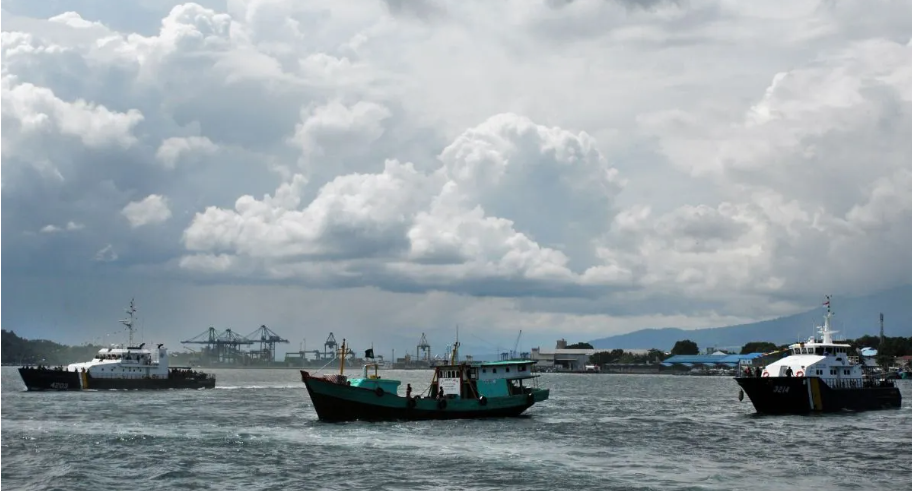
 JAPAN
JAPAN Regional partnership combines Hokkaido seafood with Noto processing expertise
 NORWAY
 Aquaculture technology supplier
  DENMARK
.png) Representing one of Europe’s leading pelagic fishing organisations, DPPO brings extensive expertise in the sustainable management of pelagic fisheries, a strong commitment to science-based decision-making, and a proven track record in promoting responsible fishing practices and high-quality seafood production.
Representing one of Europe’s leading pelagic fishing organisations, DPPO brings extensive expertise in the sustainable management of pelagic fisheries, a strong commitment to science-based decision-making, and a proven track record in promoting responsible fishing practices and high-quality seafood production. .png) Celebrating 40 years since the association’s founding, the
Celebrating 40 years since the association’s founding, the  NICARAGUA
.png) The shipment arrived at the port of Corinto and was transported to Managua. The company plans future operations and a quarterly supply schedule.
The shipment arrived at the port of Corinto and was transported to Managua. The company plans future operations and a quarterly supply schedule.