Other Media | aqua.cl: Garware Boosts Salmon Farming with Innovation, Expansion, and Sustainability
WORLDWIDE
Tuesday, March 25, 2025
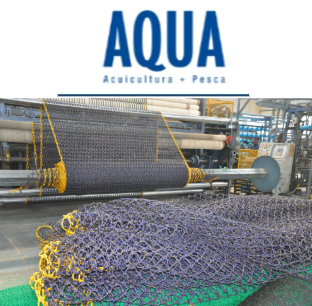
As the salmon industry grows, the company is expanding its presence in key markets such as Norway, Chile, Scotland, and Canada.
The aquaculture industry is the most relevant business area for Garware Technical Fibers, which has been operating in this sector globally since the late 1990s and in Chile since 2014, particularly with the salmon industries in Australia, Canada, Scotland, the Faroe Islands, Norway, New Zealand, and Chile.
It is also entering emerging markets in Asia Pacific with Japan and Indonesia. "Where there is salmon farming, there is Garware; that's how we are present and interact with our clients and industry professionals, providing them with innovative aquaculture solutions. Our advanced technologies are designed to deliver superior protection and durability, ensuring the safety and productivity of salmon farms, always adapting to local requirements.
Princes welcomes progress on mackerel stocks but calls for long-term sustainability focus.
Latest scientific advice highlights encouraging signs for recovery, while underlining the importance of responsible sourcing decisions.
Princes welcomes the latest scientific advice on North-East Atlantic mackerel, describing signs of stock recovery as positive news for the seafood sector while warning that long-term sustainability challenges remain.
The latest assessment from the International Council for the Exploration of the Sea (ICES) shows an improvement in stock biomass and a significant increase in its recommended catch levels for 2027.
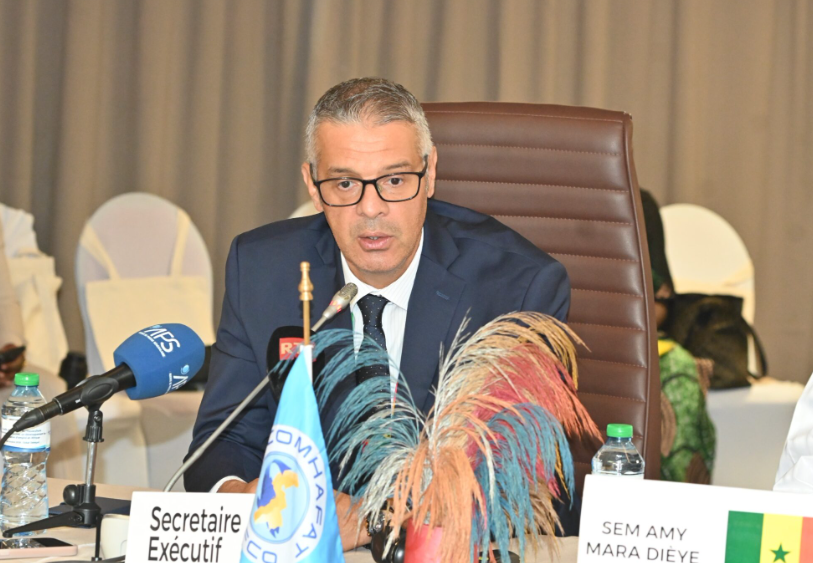
Regional cooperation to boost food security and jobs
Experts from 22 ATLAFCO member states met in Dakar, October 7–8, to promote sustainable aquaculture.
RAFAQUA and RAFISMER urged coordinated investment, research and infrastructure to offset declining fish catches, create jobs and strengthen food security.
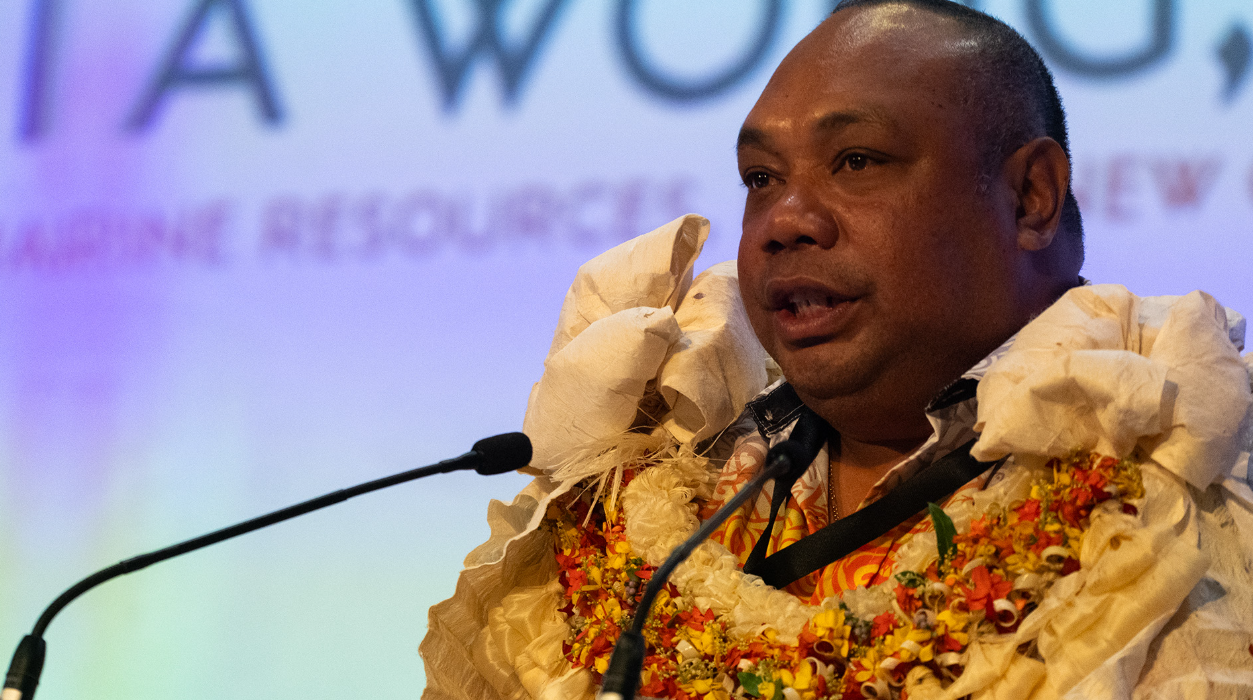
Minister Jelta Wong promotes state investment and local industry growth.
The government will expand tuna processing through Fisheries Capital Limited, StartFish and special economic zones. Fisheries exports exceed K1.6 billion annually, supporting 14,000 jobs. Reforms aim to boost exports, investment and employment.
FPCCI committee holds inaugural meeting in Karachi.
Pakistan's FPCCI discussed boosting seafood exports through aquaculture, value-added products and new markets. Priorities include modernizing harbours and vessels, securing government funding and recognizing fisheries as an industry.
Recommendations will be submitted to federal authorities.
Nordic Aqua Partners has delivered another strong operational performance in the third quarter of 2026.
The Norwegian land-based Atlantic salmon farming company operates a recirculating aquaculture system (RAS) facility at Ningbo, near Shanghai in eastern China. Its farm produces locally farmed salmon for the Chinese market under the Nordic PureAtlantic brand.
Now, Nordic Aqua Partners has marked its third consecutive quarter of growth with production exceeding 2,000 tonnes, bringing its operations to full capacity for Stage 1 and Stage 2 of its project
Author: Robert Outram / Fish Farmer | Read the full article here
HY2FISH and NETTAG+ selected from over 70 European initiatives.
Spain's ARVI earned recognition at the 2026 EU Atlantic-Western Mediterranean Awards.
HY2FISH develops hydrogen-powered, zero-emission fishing vessels, while NETTAG+ advances technology to locate and recover lost fishing gear, reducing ghost fishing and marine pollution.
ARVI coordinates a consortium comprising entities from various European countries, contributing its knowledge of the fishing sector.
Minister Emelia Arthur announces stricter food safety enforcement.
Ghana will combat illegal fish processing to reduce contamination, food poisoning and post-harvest losses. The ministry will strengthen hygiene standards, cold storage, processing technologies and certification to protect consumers and improve fish quality.
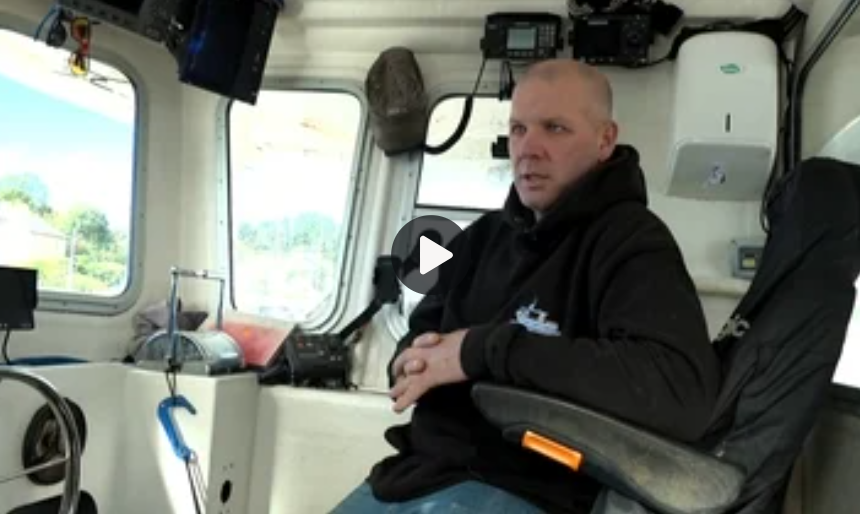
Coastal fishermen demand access to a valuable resource.
Ireland is seeking an EU bluefin tuna quota, absent since 1998. The government backs small-scale fishermen, but EU approval remains blocked. With tuna worth up to €5,000 each and EU quotas up 17% for 2026–2028, the sector sees major economic opportunities.
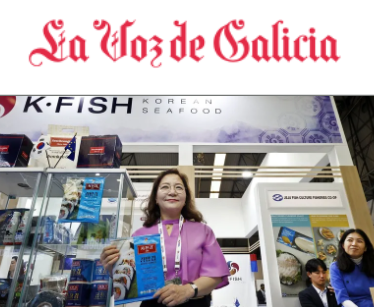
A cooperative working with products from the Yellow Sea brings nearly 4 billion sheets of this type of seaweed to market annually.
Located in Seocheon County along the shores of the Yellow Sea, the Chungnam Laver Fisheries Cooperative drives the production of one of South Korea’s most lucrative culinary treasures: *gim* (known as *nori* in Japanese), a type of toasted seaweed. Far from being a mere agricultural middleman, the organization unites local seaweed farmers who have transformed the harvest into a precision-driven industry.
Source: La Voz de Galicia | Read the full article here
Nissui reported that its subsidiary, Nissui Logistics, began partially resuming inbound and outbound shipping operations on October 9, which had been disrupted by a system failure.
The incident remains active and is linked to unauthorized access detected at IDC Frontier, a third-party data center provider utilized by the company. Furthermore, Nissui confirmed that the compromised server contained neither personal information nor client data managed by the group.
The company is currently coordinating with involved parties to restore normal logistical operations, though it has not yet provided an official date for the full restoration of services.
The event keeps attention focused on the digital continuity of logistical and cold storage supply chains across the Japanese food industry.
Faroe Islands Bottom Trawl Fishery Achieves Record Faroe Islands
Operating profit for the segment surged by DKK 161 million (US$ 24.10 million) compared to the previous year, with wages paid rising 56%, contrasting with the downturn in aquaculture and an overall dr...
Copyright 1995 - 2026 Seafood Media Group Ltd.| All Rights Reserved. DISCLAIMER




 WORLDWIDE
 The aquaculture industry is the most relevant business area for
  UNITED KINGDOM
.png)
 SENEGAL
 Regional cooperation to boost food security and jobs
 PAPUA NEW GUINEA
 Minister Jelta Wong promotes state investment and local industry growth.
 PAKISTAN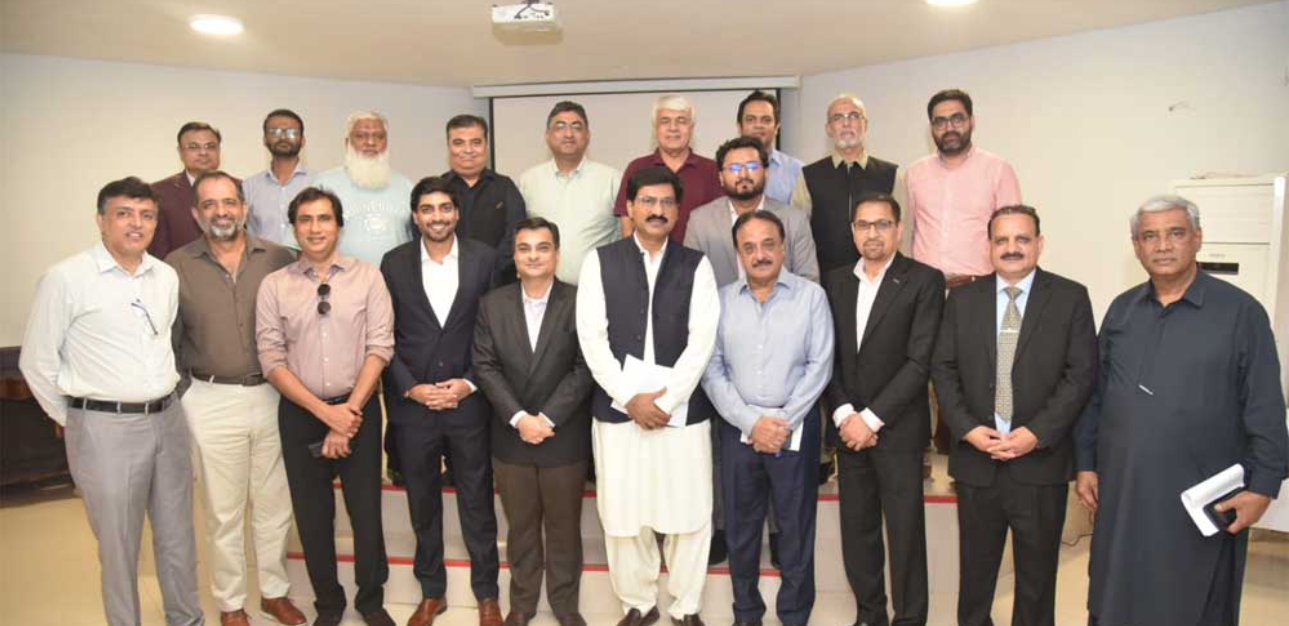
 CHINA
CHINA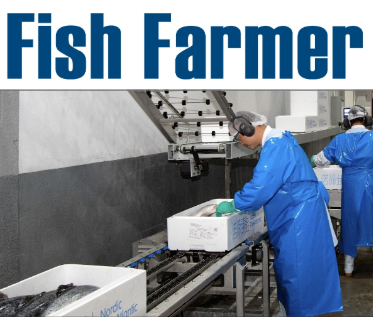
 SPAIN
SPAIN HY2FISH and NETTAG+ selected from over 70 European initiatives.
 GHANA
GHANA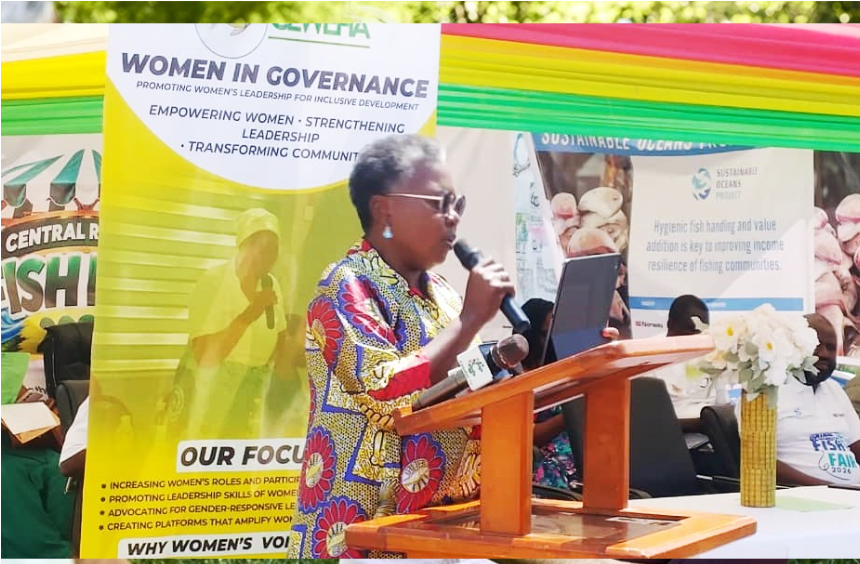 Minister Emelia Arthur announces stricter food safety enforcement.
 REPUBLIC OF IRELAND
 Coastal fishermen demand access to a valuable resource.
 SOUTH KOREA
 A cooperative working with products from the Yellow Sea brings nearly 4 billion sheets of this type of seaweed to market annually.
 JAPAN
JAPAN.jpeg) The incident remains active and is linked to unauthorized access detected at IDC Frontier, a third-party data center provider utilized by the company. Furthermore, Nissui confirmed that the compromised server contained neither personal information nor client data managed by the group.
The incident remains active and is linked to unauthorized access detected at IDC Frontier, a third-party data center provider utilized by the company. Furthermore, Nissui confirmed that the compromised server contained neither personal information nor client data managed by the group.