IN BRIEF - How Underwater Drones Are Transforming Fisheries Data Collection in Remote Areas
UNITED STATES
Friday, December 06, 2024
Hear how gliders are used to survey Antarctic krill, the foundation of the region's food web.
Glider “Adrian” getting deployed from the R/V Laurence M. Gould. Credit: Andrew Titmus
Remote underwater gliders—or underwater drones—present opportunities for all kinds of data collection and oceanographic research. They're incredibly cost effective, requiring less staff and equipment than traditional methods. They can remain deployed longer than a ship can be out, and they can go places where a ship can't go. And, you can pilot them anywhere with a laptop and an internet connection—even from your couch!
On our latest podcast, we talk with Jen Walsh, a research biologist and glider pilot for the Southwest Fisheries Science Center. She talks about how we're using gliders in remote areas, like Antarctica, and how they're changing the way we collect fisheries data and learn about the ocean.
Initiative supports Zimbabwe’s goal of building a US$1 billion fisheries and aquaculture industry by 2030
Midlands State University (MSU) will develop a large-scale aquaculture project at Pitscottie Dam, Kwekwe, to boost fish production and food security. Zimbabwe consumes 85,000–95,000 tonnes of fish annually but produces only 25,000–40,000 tonnes, leaving a major supply gap.
Webinar highlights finance, markets and enterprise development for small-scale producers
NCDC, FAO and partners will promote Fish Farmer Producer Organisations (FFPOs) as tools to strengthen climate-resilient fisheries and aquaculture, expanding collective action, access to finance and markets, training and sustainable livelihoods.
Artisans in Ibrahim Hyderi, Karachi, continue building wooden fishing vessels by hand, preserving skills passed down through generations.
Using eucalyptus and African teak, craftsmen shape and assemble each boat without modern industrial methods. A small vessel can take around three months to complete and cost about PKR 1 million (US$3,600), sustaining both Pakistan’s maritime heritage and coastal fishing communities.
Handful Marine Company Ltd, owner of the Cook Islands-registered vessel Kema, cannot be located despite its registered office in Suva, Fiji.
The company was fined $400,000 by the Cook Islands High Court in June for illegal fishing. Authorities have been unable to locate the foreign-owned firm following the court ruling.
Peru’s Ministry of Production (Produce) has reactivated the fishery for the jumbo flying squid (*Dosidicus gigas*, locally known as *pota*)—one of the country's key artisanal fisheries—following scientific studies conducted by the Marine Institute of Peru (IMARPE) as part of "Operation Jumbo Flying Squid V." "The measure is part of the Fisheries and Aquaculture Reactivation Plan promoted by the government to restore productive activity and protect the incomes of thousands of families linked to this fishery," the Ministry explained.
The Maximum Permissible Total Catch Limit (LMCTP) for 2026 was raised to 709,659 tonnes, of which 82,321 tonnes will be available for harvesting between August 30 and December 31.
Source: Industrias Pesqueras | Read the full article here
Products will be on display at the event taking place from 2-4 September at the Sands Expo and Convention Centre in Singapore.
Seafood Expo Asia/Seafood Processing Asia, produced by Diversified, brings together seafood suppliers from across the globe to connect with buyers throughout Asia and spotlight what’s next in the industry. Exhibitors will showcase everything from ready-to-eat, health-forward and value-added seafood products to cutting-edge packaging, processing equipment, and the services and technologies driving the industry forward.
Buyers can explore the newest seafood products designed for the Asian market — and meet the companies behind them — through the event’s onsite Product Showcase and across the exhibit hall floor.
Chilean salmon farming and wild catch company Blumar’s aquaculture division progressed from an operating loss of US $1.7 million in the second quarter of 2025 to an operating profit of $17.4m in the same period this year, despite a price drop that meant it ended with the same sales income for a greater volume of fish.
The differences were that its overall revenues grew from $113m to $127m due to tariff refunds from the United States, and that ex-cage costs were the lowest for some time, reports Fish Farming Expert's Chilean sister site, Salmonexpert.cl.
Author: Jonathan Garcés / fishfarmingexpert | Read the full article here
AQUASATH tests the coexistence of renewable energy and multitrophic aquaculture beneath the DemoSATH platform
Commercial divers installed an experimental farm beneath Spain’s floating DemoSATH wind turbine, cultivating European flat oysters, pullet carpet shell clams, mussels and Ulva green algae. Led by Saitec Offshore Technologies, the AQUASATH trial uses nets, collectors and ropes attached to the submerged structure to assess growth, survival, maintenance and the feasibility of combining offshore wind energy and aquaculture in the same marine area.
ECOWAS expert calls for better genetics, research, local inputs and stronger standards
Dr. Adegoke Agbabiaka warned that Nigeria’s fisheries potential is being constrained by weak research, poor seed quality, costly imported inputs and insecurity. He urged investment in certified broodstock, local feed production and aquaculture research to boost output, affordability and reduce import dependence.
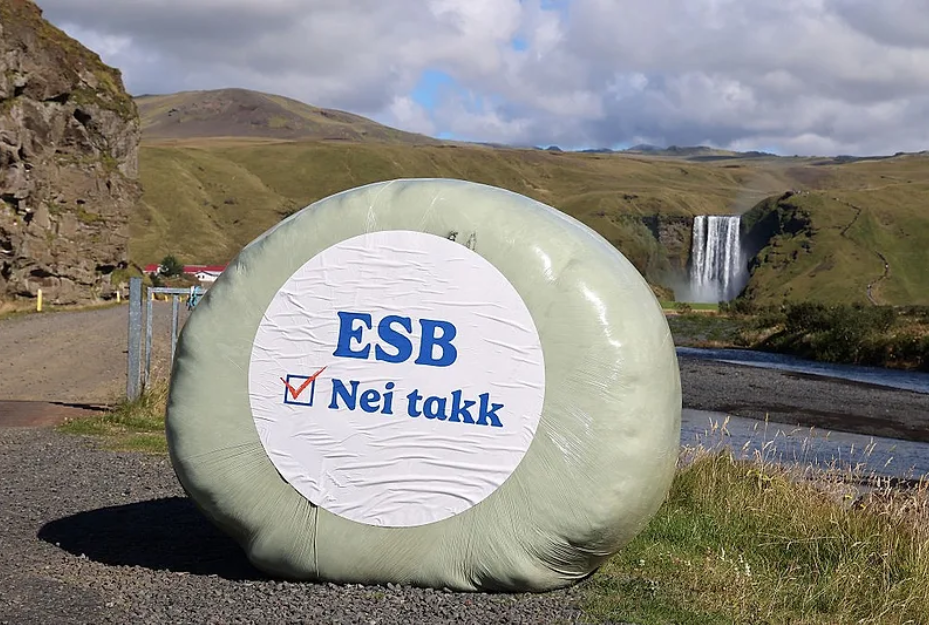
Voters prioritize national control over marine resources
Iceland voted 52.8% to 47.2% against reopening EU membership negotiations, with 82.6% turnout. Control over fisheries, which account for about one-third of goods exports, was a decisive issue. The government said it will respect the result and halt talks.





 UNITED STATES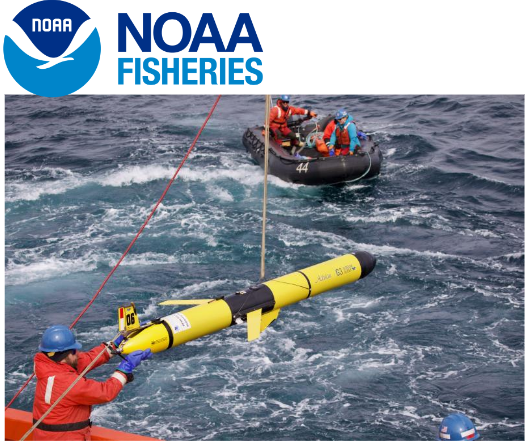
 ZIMBABWE
 Initiative supports Zimbabwe’s goal of building a US$1 billion fisheries and aquaculture industry by 2030
 INDIA
INDIA.png)
 PAKISTAN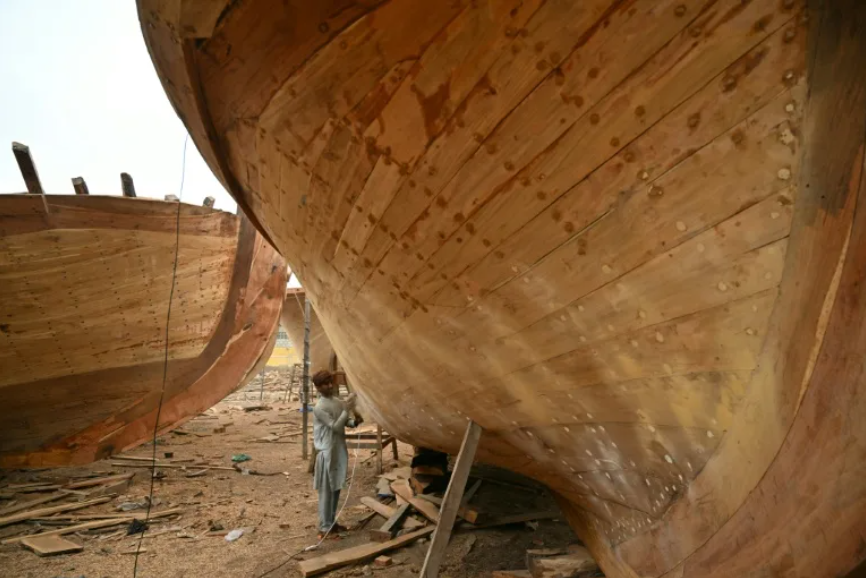
 COOK ISLANDS
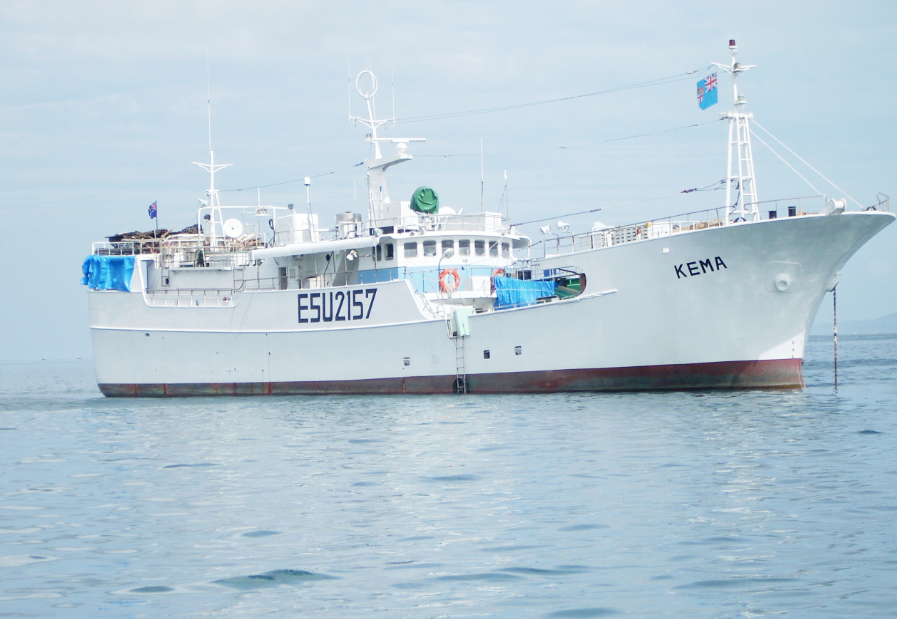 Handful Marine Company Ltd, owner of the Cook Islands-registered vessel Kema, cannot be located despite its registered office in Suva, Fiji.
 PERU
PERU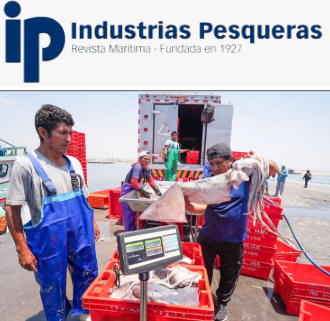 Peru’s Ministry of Production (Produce) has reactivated the fishery for the jumbo flying squid (*Dosidicus gigas*, locally known as *pota*)—one of the country's key artisanal fisheries—following scientific studies conducted by the Marine Institute of Peru (IMARPE) as part of "Operation Jumbo Flying Squid V." "The measure is part of the Fisheries and Aquaculture Reactivation Plan promoted by the government to restore productive activity and protect the incomes of thousands of families linked to this fishery," the Ministry explained.
 SINGAPORE
.png) Seafood Expo Asia/Seafood Processing Asia, produced by Diversified, brings together seafood suppliers from across the globe to connect with buyers throughout Asia and spotlight what’s next in the industry. Exhibitors will showcase everything from ready-to-eat, health-forward and value-added seafood products to cutting-edge packaging, processing equipment, and the services and technologies driving the industry forward.
Seafood Expo Asia/Seafood Processing Asia, produced by Diversified, brings together seafood suppliers from across the globe to connect with buyers throughout Asia and spotlight what’s next in the industry. Exhibitors will showcase everything from ready-to-eat, health-forward and value-added seafood products to cutting-edge packaging, processing equipment, and the services and technologies driving the industry forward. CHILE
CHILE Chilean salmon farming and wild catch company Blumar’s aquaculture division progressed from an operating loss of US $1.7 million in the second quarter of 2025 to an operating profit of $17.4m in the same period this year, despite a price drop that meant it ended with the same sales income for a greater volume of fish.
 SPAIN
SPAIN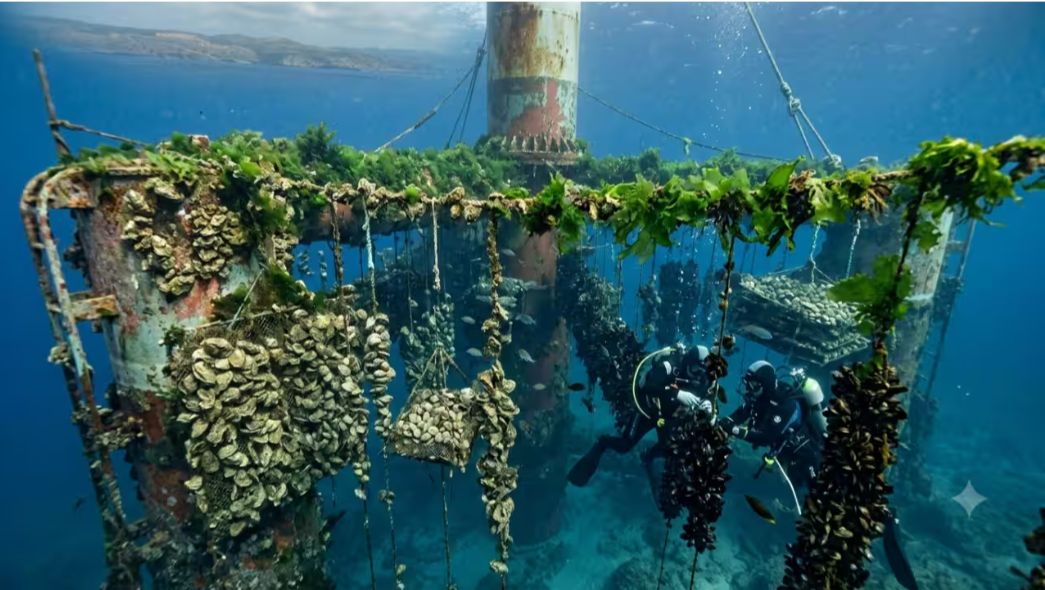
 NIGERIA
 ECOWAS expert calls for better genetics, research, local inputs and stronger standards
 ICELAND
 Voters prioritize national control over marine resources