IN BRIEF - Frozen Capelin Imports Plummet in South Korea
SOUTH KOREA
Tuesday, December 03, 2024
South Korea's import volume of frozen capelin plummeted by a significant 75% in October 2024 compared to the same period in 2023.
The country imported only 70 tons in October 2024, down from 278 tons the previous year. Consequently, the cumulative import volume for the year reached 731 tons, a 32% decrease from 2023.
Key Trends:
Reduced Import Volume: The sharp decline in imports suggests a decrease in demand or supply disruptions.
Price Fluctuations: The average unit import price increased to USD 2.28/kg, despite the overall decline in value.
Country of Origin: Canada, Norway, and Iceland remained the primary suppliers, with varying unit prices.
Potential Implications:
The significant drop in frozen capelin imports may have implications for the domestic seafood market. Reduced supply could lead to price increases or decreased availability of this fish product for consumers.
Domestic Market:
The domestic wholesale price of frozen capelin, sourced primarily from Norway, is currently around KRW 25,000 per 7kg box.
MOMBASA – In a historic milestone, the first Our Ocean conference in Africa concluded in Mombasa with 320 commitments from over 100 governments and businesses, valued at $6.4 billion to protect oceans and the blue economy.
Among the key announcements, Canada will allocate $682 million to small craft harbors, and the World Bank will invest $1 billion over two years for resilient blue economies. French Polynesia will expand protection in Tainui Atea by 27,000 square kilometers.
As host, Kenya led with 42 commitments worth $1 billion, including $200 million for electronic monitoring on industrial fishing vessels. This measure aims to curb illegal, unreported, and unregulated (IUU) fishing, which costs Africa between $11 billion and $13 billion annually.
The forum brought together 5,000 delegates and highlighted the role of youth in a continent where 70% of the population is under 35 and views the sea as a source of employment and food security. The World Resources Institute (WRI) confirmed that 78% of historical commitments in the region are complete or in progress, marking a definitive shift toward financing and solutions led by Africa itself.
The sector is cautiously welcoming the new formula, which allows for a four-week fishing closure between January 15 and February 27.
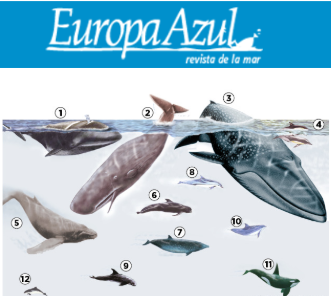
France will maintain the temporary closure of certain fisheries in the Bay of Biscay in 2027 to reduce the accidental capture of cetaceans. The decision was announced by the French Minister of the Sea and Fisheries, Catherine Chabaud, during the Assises de la mer et de la pêche (Sea and Fishing Conference), held on June 18 and 19 in Cherbourg and organized by Le Marin and Ouest-France.
Based on average fuel consumption per vessel, length, fishing gear, and fishing grounds for 2024, the Ministry of Agriculture, Fisheries and Food has just granted the first aid payments to the fleet to alleviate the impact of rising diesel prices. This fulfills its promise made days ago and anticipates a payment to offset the fuel price increase resulting from the conflict in the Middle East. Initially, €6.8 million is being allocated to 4,308 shipowners and 4,650 vessels. They now have five days, starting this Saturday, to correct any errors, accept, or decline the aid.
Source: La Voz de Galicia | Read the full article here
China is continuing to be a major buyer of salmon – and seafood in general - from around the world. The latest data from the Norwegian Seafood Council shows that the huge increase in salmon purchasing which took off late last year shows no sign of letting up, although the pace of increase has slowed down.
The Council says the strong growth shows that the Chinese salmon market still has underlying strengths.
However, it is the lowest growth year-on-year since March 2025, when the market grew by “only” 25%. It is also the lowest monthly import figure since September last year.
Author: Vince McDonagh / Fish Farmer | Read the full article here
The Norwegian Seafood Councilis using Norway’s FIFA World Cup campaign to promote Norwegian seafood, highlighting that more than 500kg of fish and shellfish has been shipped to the national team’s training base in the United States.
National team chef Aron Espeland has relocated from Brasserie France in Oslo to Norway’s hotel in Greensboro, North Carolina, where he is responsible for catering for more than 60 players and staff during the tournament.The Seafood Council used the announcement to highlight seafood’s nutritional credentials, including its protein content, omega-3 fatty acids and vitamin D levels.
Source: SalmonBusiness | Read the full article here
The price is now the lowest since the beginning of September last year. But never before has more salmon been exported in one week in the first half of the year than during last week.
According to sector statistics provider Akvafakta, the market-influencing spot price of Norwegian salmon decreased in week 24 by NOK 2.12 per kilo, down to NOK 66.25 (£5.28) per kilo.
That price is NOK 11.76 (£0.94) below the same week last year.
The average spot price so far is NOK 81.11/kg compared to NOK 84.11/kg at the same time a year ago.
Author: Pål Mugaas Jensen / fishfarmingexpert | Read the full article here
The European Union and Norway have reached an agreement on the shrimp quota in the North Sea and Skagerrak for the next season, which will begin on July 1 and last for one year, until June 30, 2027. The total quota will be 4,612 tons for the entire period, representing a 15% increase over the current quota and in line with the quota recommendation issued by the International Council for the Exploration of the Sea (ICES). Of the total, Norway will be allocated 2,888 tons, while the EU fleet will have 1,724 tons.
Source: Industrias Pesqueras | Read the full article here
The 16th edition of AquaVision, the world's leading aquaculture business conference, organized by Skretting and its parent company Nutreco, brought together more than 400 global aquaculture leaders, suppliers, and decision-makers from 40 countries in Stavanger, Norway.
The agenda was organized around two main themes: the global geopolitical landscape and its implications for aquaculture, and the innovations that are defining the future of the industry.
In his opening remarks, Nutreco CEO Bastiaan van Tilburg called for strengthening collaboration and the free flow of knowledge and innovation as a condition for the growth of the global food system
One of Scotland’s leading salmon producers has won a prestigious honour at an international awards ceremony.
Bakkafrost Scotland scooped the Sustainability Award at the Aquaculture Awards, part of Aquaculture UK, the sector’s flagship event. The awards were presented at a gala dinner at the Hilton Glasgow, attended by more than 700 guests. There were nearly 100 nominations, celebrating the best of the international aquaculture community.
Bakkafrost Scotland was shortlisted across several categories, reflecting the company’s continued investment in people, innovation, sustainability, and community partnerships.




 SOUTH KOREA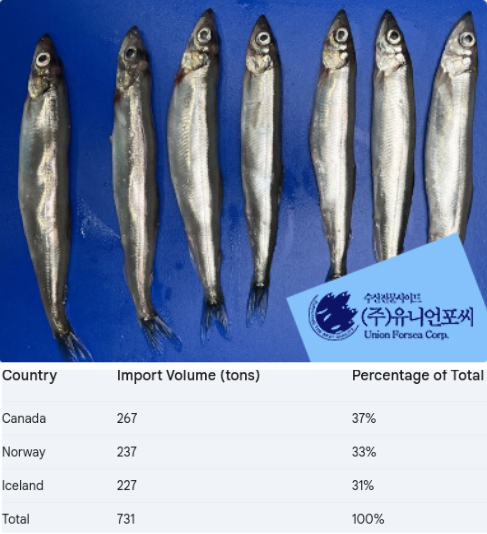
.png)
 ARGENTINA
 KENYA
KENYA.png)
 FRANCE
 The sector is cautiously welcoming the new formula, which allows for a four-week fishing closure between January 15 and February 27.
 SPAIN
SPAIN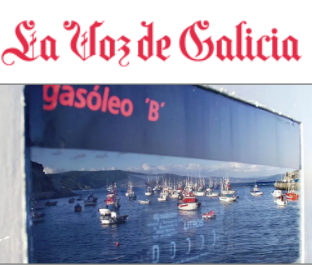 Based on average fuel consumption per vessel, length, fishing gear, and fishing grounds for 2024, the Ministry of Agriculture, Fisheries and Food has just granted the first aid payments to the fleet to alleviate the impact of rising diesel prices. This fulfills its promise made days ago and anticipates a payment to offset the fuel price increase resulting from the conflict in the Middle East. Initially, €6.8 million is being allocated to 4,308 shipowners and 4,650 vessels. They now have five days, starting this Saturday, to correct any errors, accept, or decline the aid.
 CHINA
CHINA China is continuing to be a major buyer of salmon – and seafood in general - from around the world. The latest data from the Norwegian Seafood Council shows that the huge increase in salmon purchasing which took off late last year shows no sign of letting up, although the pace of increase has slowed down.
 NORWAY
 The
The  The price is now the lowest since the beginning of September last year. But never before has more salmon been exported in one week in the first half of the year than during last week.
 EUROPEAN UNION
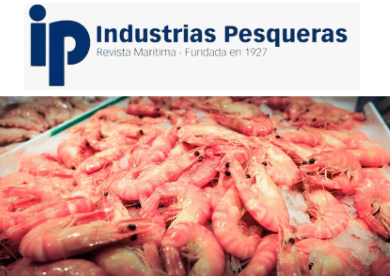 The European Union and Norway have reached an agreement on the shrimp quota in the North Sea and Skagerrak for the next season, which will begin on July 1 and last for one year, until June 30, 2027. The total quota will be 4,612 tons for the entire period, representing a 15% increase over the current quota and in line with the quota recommendation issued by the International Council for the Exploration of the Sea (ICES). Of the total, Norway will be allocated 2,888 tons, while the EU fleet will have 1,724 tons.
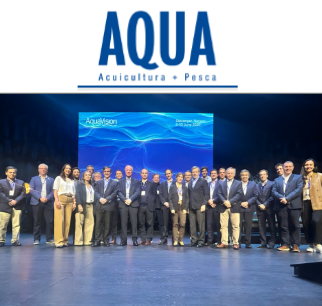 The 16th edition of
  UNITED KINGDOM
 One of Scotland’s leading salmon producers has won a prestigious honour at an international awards ceremony.