IN BRIEF - Red tape cut opens channel for Māori aquaculture
NEW ZEALAND
Wednesday, September 04, 2024
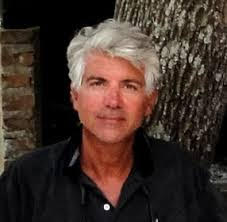
Fisheries Minister Shane Jones wants to see the stewards of iwi settlements put some of that putea into aquaculture.
The Government last week passed legislation extending all marine farming permits to 2050, which he says should remove many of the bureacratic barriers and expense which has discouraged investment.
Mr Jones says the marine space reserved for Maori under the aquaculture settlement 20 years ago is the new frontier awaiting commercial development.
“New Zealand aquaculture product where Maori have great opportunities sells itself and I hope and pray the stewards of iwi settlements put their money into aquaculture, working with established stakeholders and it creates a lot of jobs in those parts of New Zealand where it’s incredibly difficult to sustain and grow industry,”he says.
Mr Jones says a large percentage of mussel production is going into pet food, which shows he dynamic nature of the industry.
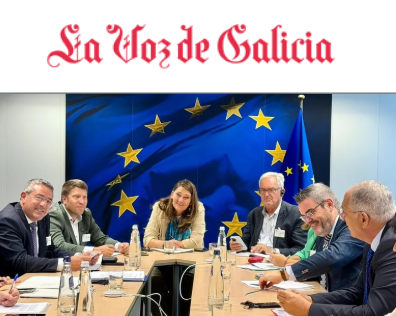
Joan Simonet, the Regional Minister for Agriculture, Fisheries, and the Natural Environment, has welcomed the European Commission's consideration of changes to the Multiannual Plan for Demersal Fisheries in the Western Mediterranean. The proposed changes aim to increase the number of fishing days allowed for trawlers, without having quotas constrained by the status of the most vulnerable species. This was one of the key demands jointly presented to the European Commissioner for Fisheries and Oceans, Costas Kadis, last May by Spain's five Mediterranean autonomous communities, according to a statement from the Regional Ministry.
Source: Europa Press / La Voz de Galicia | Read the full article here
Peru's Ministry of Production (Produce) has launched the "Sea of ??Opportunities 2026-2027" campaign, as part of the Roadmap for the Reactivation of Fisheries and Aquaculture. The campaign aims to inform the public about species whose availability has temporarily increased along the Peruvian coast due to oceanographic changes associated with the El Niño phenomenon. Developed using scientific information from the Peruvian Marine Institute (Imarpe), the initiative seeks to guide fishermen, distributors, restaurants, and consumers on new fishing alternatives, contributing to diversifying the product offerings and reducing pressure on species whose availability has decreased.The Minister of Production, Juan Carlos Requejo, explains that "El Niño is temporarily modifying the conditions of our sea and the presence of different species.
Source: Industrias Pesqueras | Read the full article here
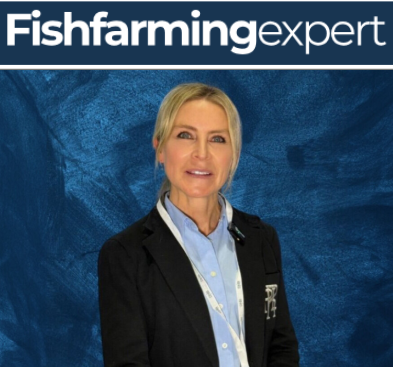
US firm wants seat at the table as it expands from Chile into Norway and Scotland
The Global Salmon Initiative (GSI) has announced that Sudvet Corp., an animal welfare company headquartered in Los Angeles, California, and specialising in botanical and biotechnological solutions for aquaculture, has joined as an associate member.
Sudvet develops botanical solutions aimed at reducing antibiotics and antiparasitic use in salmon farming. It offers a number of products that include AQ Bliss, a feed additive formulated with essential oils that is said to prevent fish stress during handling and help maintain the quality of the fish’s mucus.
Source: fishfarmingexpert | Read the full article here
Direct grants will offset higher fuel and fertiliser costs caused by the Middle East crisis
The European Commission approved Portugal’s €30 million scheme for agriculture, fisheries and aquaculture. Companies may receive up to €50,000, including €0.10/litre for agricultural or marine diesel consumed from April 1-June 30, 2026.
The plan aims to cut regulatory burdens while strengthening science-based fisheries management.
NOAA Fisheries unveiled priorities to expand domestic seafood production after input from more than 700 stakeholders. Reforms target sustainable fishing opportunities, stronger markets and infrastructure, processing capacity and tougher action against IUU fishing.
IFOP completes the 2025–2026 phase of a key program supporting wild seed collection and production planning
Chile's IFOP, with funding from the Undersecretariat for Fisheries and Aquaculture, completed the 13th stage (2025–2026) of its mussel larval monitoring program. The initiative tracks larval abundance, spawning, wild seed availability and oceanographic conditions, helping producers identify optimal collection periods, reduce uncertainty and strengthen the sustainability of southern Chile's mussel farming industry. The closing event gathered 129 participants from industry, government, academia and research centers.
Fiskistofa will deploy unmanned aircraft throughout September 2026 to monitor fishing operations and discards.
Drone footage will be closely reviewed to identify fish discarded at sea. Fiskistofa reminds fleets that permitted releases must involve viable fish, while species and estimated kilograms discarded must be electronically recorded in fishing logbooks.
Novosibirsk State University scientists are developing a high-protein feed additive from Yarrowia lipolytica, with no current Russian equivalent.
The yeast biomass provides essential amino acids, B vitamins, lipids, phospholipids and nucleotides that may stimulate fish and poultry growth. Its beta-glucans and mannan-oligosaccharides can strengthen immunity and reduce antibiotic use.
Trident Aqua Services has celebrated the naming of Grip Discovery in Puerto Montt, Chile, together with customer Multi X. Delivered from Sefine Shipyard and designed by Salt Ship Design AS, the vessel is the largest and most advanced wellboat currently operating in Chile, with a well capacity of 4,000 m³.Built to support a wide range of aquaculture operations, Grip Discovery combines advanced fish handling systems, high biosecurity standards and substantial freshwater treatment capacity. The vessel introduces a new generation of wellboat technology to the Chilean salmon industry, bringing together large-scale freshwater production, battery-hybrid propulsion and highly efficient treatment systems in a single platform.
Suspected and confirmed Infectious salmon anaemia (ISA) has been reported at three locations in the Bodø region of northern Norway over the past week.
The incidents are being seen as one of the most serious episodes in a single area for some time.
The first report, which came on August 24th is at a location in Saltdalsfjorden where both Edelfarm AS and Salten Stamfisk AS have fish at the site, which is operated by Edelfarm AS. Confirmation or otherwise is awaited.
The next incident, which has now been confirmed, happened at sea location 32397 "Storvika" in Skjerstadfjorden in Bodø.
Author: Vince McDonagh / Fish Farmer | Read the full article here




 NEW ZEALAND
(1).png) Mr Jones says the marine space reserved for Maori under the aquaculture settlement 20 years ago is the new frontier awaiting commercial development.
Mr Jones says the marine space reserved for Maori under the aquaculture settlement 20 years ago is the new frontier awaiting commercial development. BELGIUM
 Joan Simonet, the Regional Minister for Agriculture, Fisheries, and the Natural Environment, has welcomed the European Commission's consideration of changes to the Multiannual Plan for Demersal Fisheries in the Western Mediterranean. The proposed changes aim to increase the number of fishing days allowed for trawlers, without having quotas constrained by the status of the most vulnerable species. This was one of the key demands jointly presented to the European Commissioner for Fisheries and Oceans, Costas Kadis, last May by Spain's five Mediterranean autonomous communities, according to a statement from the Regional Ministry.
 PERU
PERU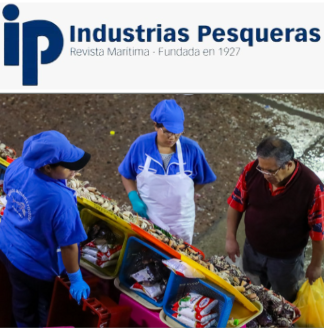 Peru's Ministry of Production (Produce) has launched the "Sea of ??Opportunities 2026-2027" campaign, as part of the Roadmap for the Reactivation of Fisheries and Aquaculture. The campaign aims to inform the public about species whose availability has temporarily increased along the Peruvian coast due to oceanographic changes associated with the El Niño phenomenon. Developed using scientific information from the Peruvian Marine Institute (Imarpe), the initiative seeks to guide fishermen, distributors, restaurants, and consumers on new fishing alternatives, contributing to diversifying the product offerings and reducing pressure on species whose availability has decreased.The Minister of Production, Juan Carlos Requejo, explains that "El Niño is temporarily modifying the conditions of our sea and the presence of different species.
 UNITED STATES
 US firm wants seat at the table as it expands from Chile into Norway and Scotland
 PORTUGAL
 Direct grants will offset higher fuel and fertiliser costs caused by the Middle East crisis
 CHILE
CHILE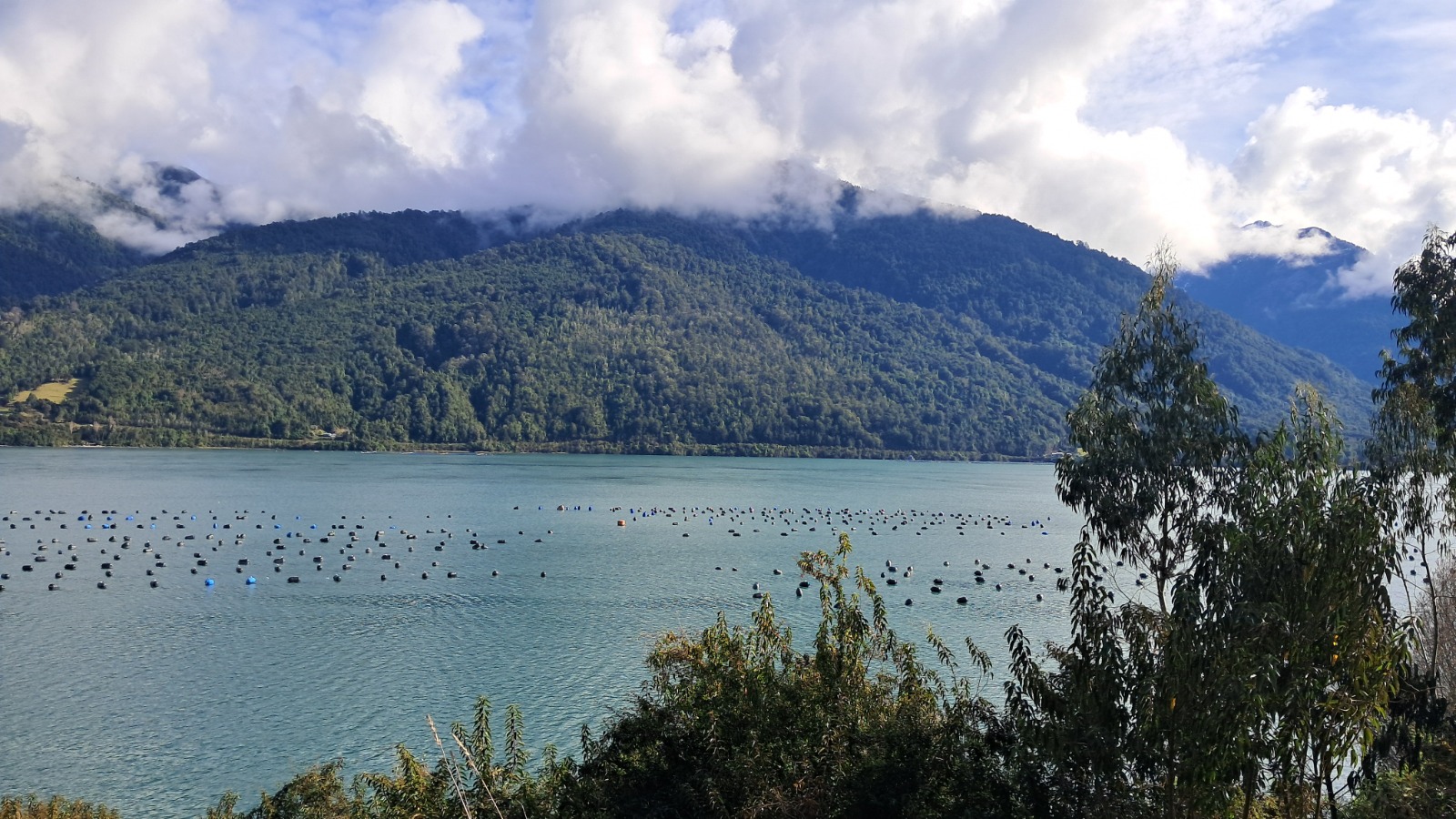
 ICELAND
.png) Fiskistofa will deploy unmanned aircraft throughout September 2026 to monitor fishing operations and discards.
Fiskistofa will deploy unmanned aircraft throughout September 2026 to monitor fishing operations and discards. RUSSIAN FEDERATION
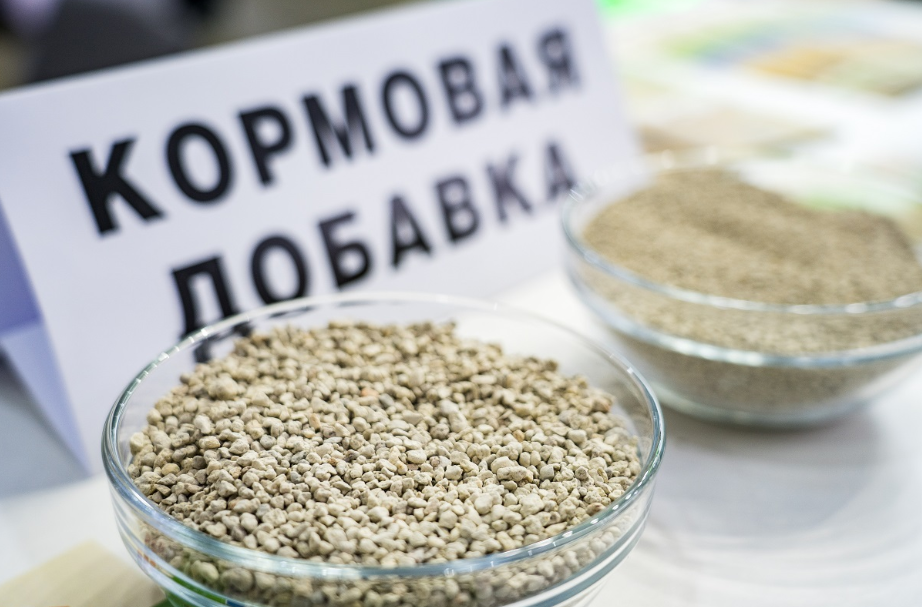 Novosibirsk State University scientists are developing a high-protein feed additive from Yarrowia lipolytica, with no current Russian equivalent.
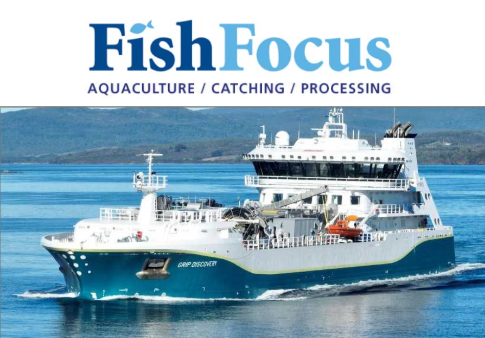 Trident Aqua Services has celebrated the naming of Grip Discovery in Puerto Montt, Chile, together with customer Multi X. Delivered from Sefine Shipyard and designed by Salt Ship Design AS, the vessel is the largest and most advanced wellboat currently operating in Chile, with a well capacity of 4,000 m³.Built to support a wide range of aquaculture operations, Grip Discovery combines advanced fish handling systems, high biosecurity standards and substantial freshwater treatment capacity. The vessel introduces a new generation of wellboat technology to the Chilean salmon industry, bringing together large-scale freshwater production, battery-hybrid propulsion and highly efficient treatment systems in a single platform.
 NORWAY
.png) The incidents are being seen as one of the most serious episodes in a single area for some time.
The incidents are being seen as one of the most serious episodes in a single area for some time.