IN BRIEF - Russian fishermen caught more than 3.1 million tons
RUSSIAN FEDERATION
Thursday, August 08, 2024
According to the industry monitoring system of the Federal Agency for Fisheries (Federal Service for Fisheries and Oceanography), by August 7, 2024, the total catch of aquatic bioresources by Russian users amounted to more than 3.1 million tons.
Including the following:
– Far Eastern basin – more than 2.3 million tons
– Northern basin – 323.2 thousand tons (+5.2%)
– Western basin – 52.6 thousand tons.
– Azov-Black Sea basin – 19.6 thousand tons
– Volga-Caspian basin – 47.6 thousand tons.
In the exclusive economic zones of foreign states, conventional areas and the open part of the World Ocean, the Russian fleet has caught more than 295.6 thousand tons of fish.
Source: Federal Agency for Fisheries (translated from original in Russian)
The campaign spearheaded by Pesca España, OPPC-3, and OPPF-4 returns to the fair with a new initiative to continue bringing trawl fishing and its products closer to the public—this time with gastronomy and music taking center stage.
Science and artisanal fishing deepen cooperation for sustainable management
IFOP researchers visited Ancud, Dalcahue, Tenaún, Queilen and Quellón on September 21–26, working with artisanal fishers and scientific observers to improve data quality, address operational challenges and strengthen monitoring of key benthic crustacean fisheries.Building sustainable fisheries requires quality information, but also participation, trust, and commitment.
IceFish 2026 highlights fisheries and aquaculture innovation 15th edition draws nearly 8,500 visitors to Iceland
Held in Kópavogur on 22–24 September, IceFish 2026 attracted nearly 8,500 visitors, exhibitors and delegations worldwide.
The event featured the new Aquaculture Hub, 16 expert speakers, the 100% Fish for Profit conference with 148+ professionals, technology and innovation awards. IceFish returns in 2028.
ICES has advised that the total allowable catch (TAC) for north-east Atlantic mackerel in 2027 should be 352,938 tonnes, representing a 102% increase on its advice for 2026. The assessment puts current spawning stock biomass at 3.2 million tonnes and forecasts this will rise to 3.34 million tonnes in 2028.
A striking Sustainable Seafood September window at Whole Foods Market has been one of the highlights of a month-long campaign encouraging UK shoppers to choose sustainable seafood and help keep their favourite fish dishes on the menu.
The window installation brought the Marine Stewardship Council’s (MSC) Buy Blue, Protect Dinner campaign theme to Kensington High Street, putting the blue MSC ecolabel and the message of sustainable seafood front and centre for shoppers throughout September.
Under the 28 September contract, Braintree, Massachusetts, U.S.A.-based Channel Fish Processing will supply 4,500 cases of frozen Alaska Pollock fillets for USD 1.13 million (EUR 1 million).
New Beford, Massachusetts-based Pier Fish Co. was the other winner of an award, receiving USD 878,940 (EUR 783,406) to supply another 2,700 cases of frozen Alaska pollock.
Deliveries are slated to take place from 1 January 2027 through 28 February
Author: Nathan Strout / SeafoodSource | Read the full article here
Sushi may be one of the fastest growing seafood categories, but it has been around for more than 2,000 years ago, starting out in southern China as a way of preventing fish from going bad, using, initially, fermentation in cooked rice and then vinegar.
With the availability of refrigeration in modern times, vinegar is now used as a flavour pairing rather than a preservative. Sushi was enthusiastically adopted by Japan, where it has since developed into a national favourite. Salmon only came into the picture in the 1980s after a Norwegian seafood delegation flew to Tokyo on an export mission.Now the dish has dramatically taken hold in arguably the most important market of all – the United States.
Author: Vince McDonagh / Fish Farmer | Read the full article here
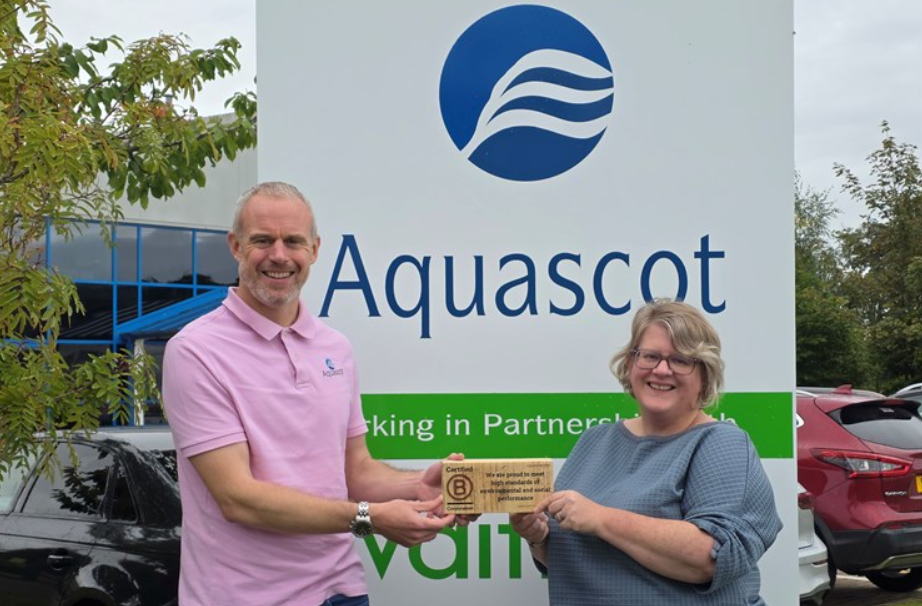
Ross-shire firm highlights responsible growth as a model for aquaculture
Aquascot, based in Alness, became Scotland’s first seafood processor certified B Corp. The salmon and trout supplier to Waitrose says the milestone shows commercial success can combine with animal welfare, environmental management and responsible aquaculture.
UK fishermen and processors welcome increase in mackerel stock United Kingdom
ICES advises a 102% quota increase for 2027, underpinning fishery recovery in the North-east Atlantic
The Scottish and UK mackerel industry has welcomed an increase in the size of the North-east Atla...
Copyright 1995 - 2026 Seafood Media Group Ltd.| All Rights Reserved. DISCLAIMER





 RUSSIAN FEDERATION
.jpg)
 SPAIN
SPAIN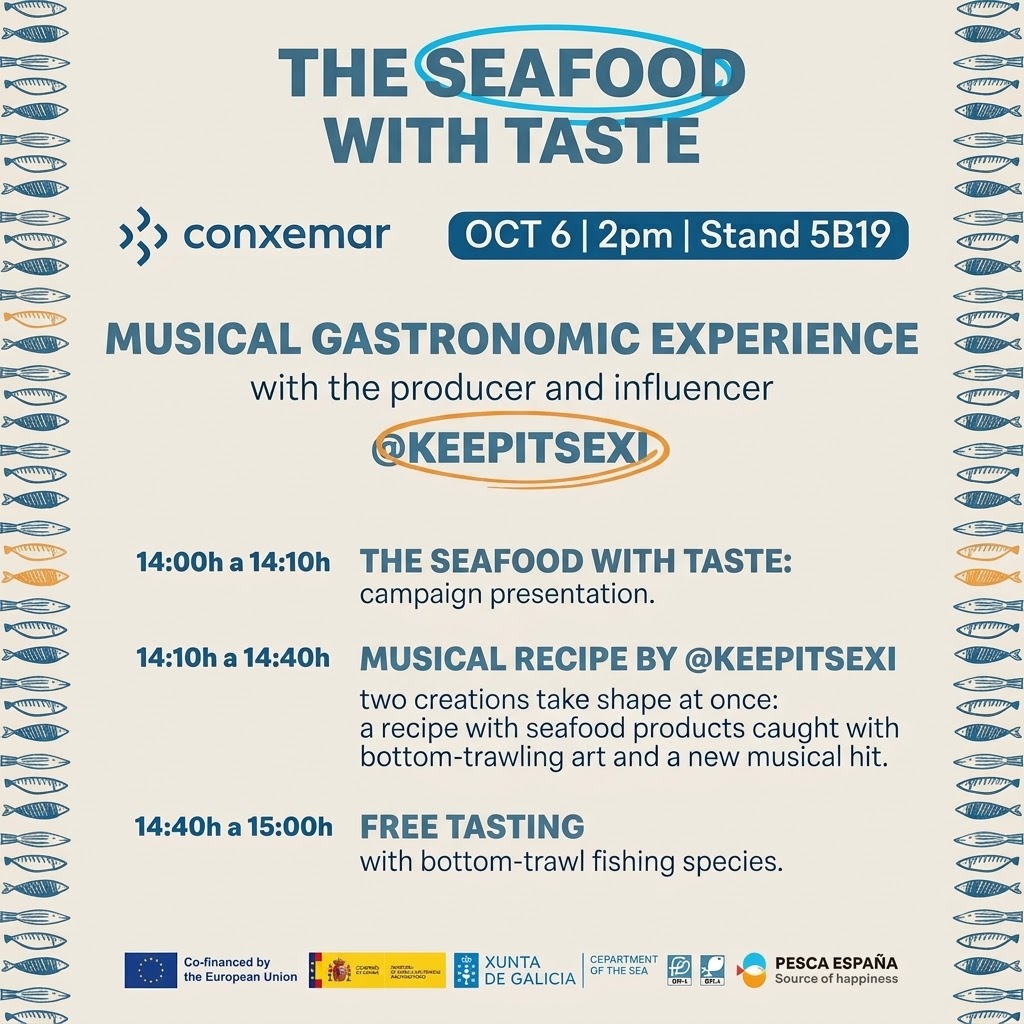
 WORLDWIDE
.png)
 CHILE
CHILE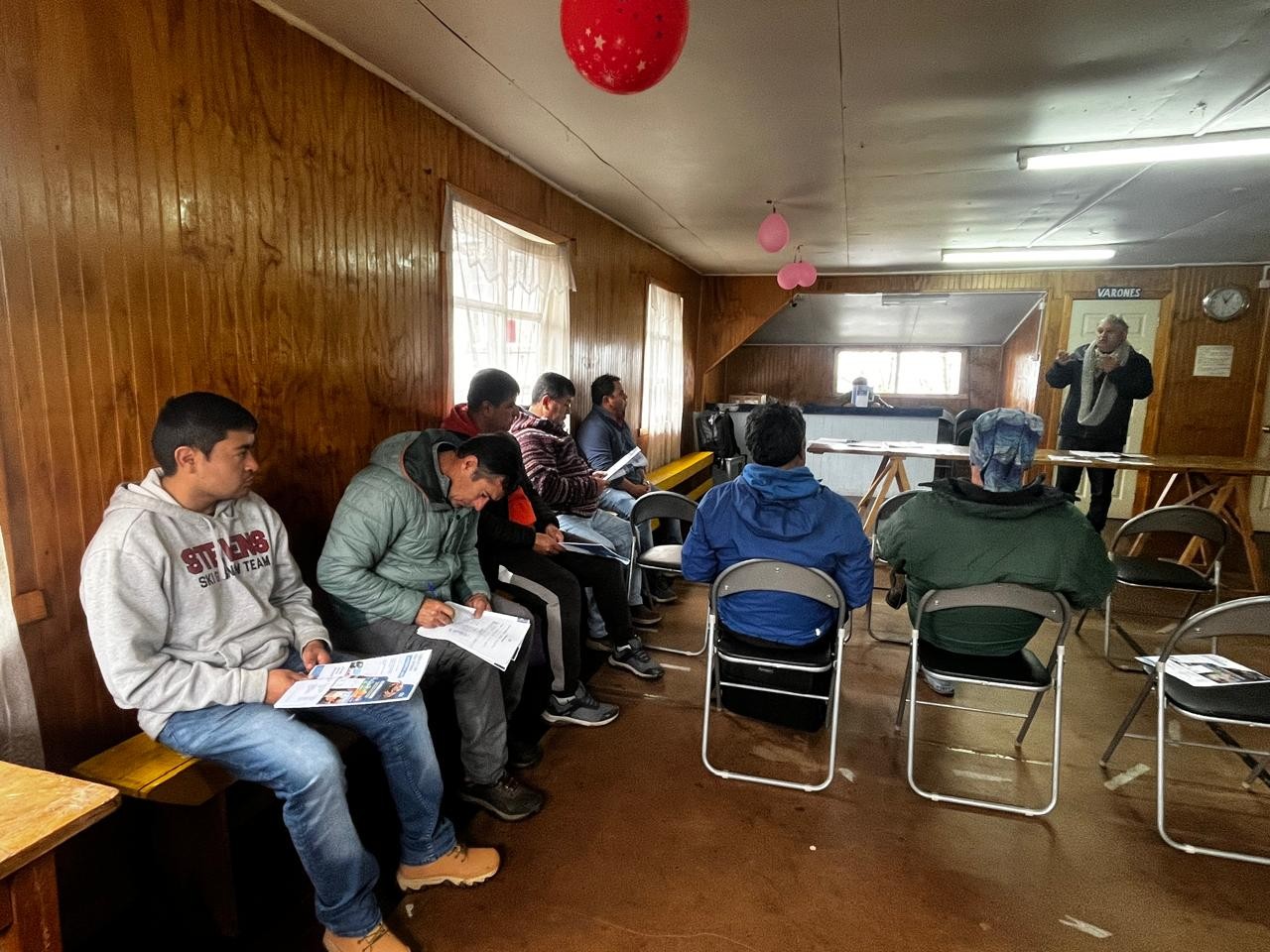 Science and artisanal fishing deepen cooperation for sustainable management
 ICELAND
 NETHERLANDS
 UNITED KINGDOM
.png) UK mackerel fishermen and processors have welcomed a doubling of recommended catches, while urging wider international management agreement
UK mackerel fishermen and processors have welcomed a doubling of recommended catches, while urging wider international management agreement.png) A striking Sustainable Seafood September window at
A striking Sustainable Seafood September window at  UNITED STATES
 The
The 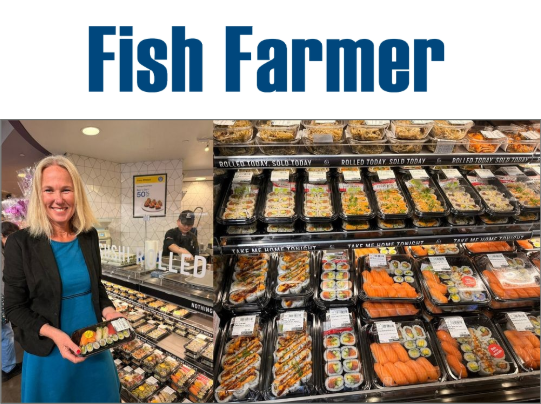 With the availability of refrigeration in modern times, vinegar is now used as a flavour pairing rather than a preservative. Sushi was enthusiastically adopted by Japan, where it has since developed into a national favourite. Salmon only came into the picture in the 1980s after a Norwegian seafood delegation flew to Tokyo on an export mission.Now the dish has dramatically taken hold in arguably the most important market of all – the United States.
 Ross-shire firm highlights responsible growth as a model for aquaculture