The same source reported that Vietnamese shrimp exports in November recorded 310 million dollars, a year-on-year increase of 3.5 percent. With that sum, the income from sending this item abroad during the first 11 months amounted to 3.15 billion dollars, a figure that represented a drop of 22 percent compared to the same period in 2022.
The main receiving markets for this product from Vietnam are the United States, China, Japan, the European Union and South Korea.
Shrimp exports remain dominated by price competition amid global oversupply and low sales values.
According to VASEP assessments, demand for shrimp in Southeast Asia and the Far East is expected to improve at the end of the year thanks to Christmas and the Lunar New Year. Prices could increase during that period.
AQUASATH tests the coexistence of renewable energy and multitrophic aquaculture beneath the DemoSATH platform
Commercial divers installed an experimental farm beneath Spain’s floating DemoSATH wind turbine, cultivating European flat oysters, pullet carpet shell clams, mussels and Ulva green algae. Led by Saitec Offshore Technologies, the AQUASATH trial uses nets, collectors and ropes attached to the submerged structure to assess growth, survival, maintenance and the feasibility of combining offshore wind energy and aquaculture in the same marine area.
ECOWAS expert calls for better genetics, research, local inputs and stronger standards
Dr. Adegoke Agbabiaka warned that Nigeria’s fisheries potential is being constrained by weak research, poor seed quality, costly imported inputs and insecurity. He urged investment in certified broodstock, local feed production and aquaculture research to boost output, affordability and reduce import dependence.
Voters prioritize national control over marine resources
Iceland voted 52.8% to 47.2% against reopening EU membership negotiations, with 82.6% turnout. Control over fisheries, which account for about one-third of goods exports, was a decisive issue. The government said it will respect the result and halt talks.
Governments pledge greater vessel, ownership and fishing-data transparency to strengthen global ocean governance
Sixteen countries adopted the Mombasa Declaration at the Our Ocean Conference 2026 in Kenya, committing to modernize vessel registries, disclose beneficial ownership, publish fishing licenses and quotas, improve vessel tracking and share data. The initiative targets IUU fishing, estimated to cost the global economy up to US$50 billion annually.
Three of five crew members were rescued after the French vessel Maranello sank in the English Channel.
The UK Coastguard suspended the search for two missing fishermen after the French trawler Maranello sank southwest of Plymouth. Another vessel, Stradale, rescued three of the five crew, who received hospital treatment. RNLI, Coastguard aircraft and the French Navy joined the operation.
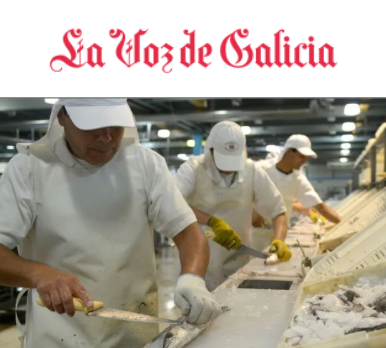
Argentine red shrimp—a key species for Galician companies—drove this shift
The July Market Report from the Argentine Fisheries Secretariat shows strong export growth and improvements across nearly all indicators. Regarding destinations, China leads the list in terms of year-to-date totals with €360 million, followed by Spain (€267 million); however, in July alone, Spain took the top spot with €79 million (45% of the total value), displacing the Asian nation, which recorded €10 million. Argentine red shrimp—a key species for Galician companies operating in the region—drove this recovery. Between January and July, the Argentine fishing sector showed positive trends in landings, exports, and foreign currency earnings.
Author: C. Valdez / La Voz de Galicia | Read the full article here
Bakkafrost reported second-quarter operational EBIT of DKK 273 million (€35.5 million), 32% below the DKK 404 million (€52.5 million) expected by analysts, as another heavy loss in Scotland offset stronger results in the Faroe Islands.
Operational EBIT nevertheless increased from DKK 65 million (€8.5 million) in the same quarter last year, while revenue rose 16% to DKK 1.83 billion (€238 million).
The group’s Faroese operations generated operational EBIT of DKK 411 million (€53.4 million), up from DKK 211 million (€27.4 million), supported by higher harvest volumes and lower farming costs.
Source: SalmonBusiness | Read the full article here
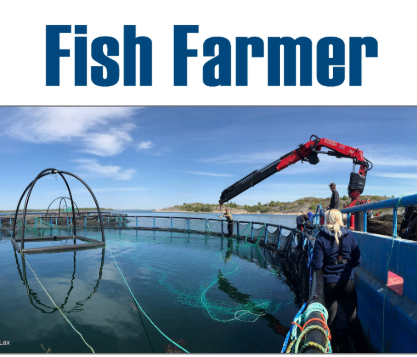
Waste management is a crucial issue in finfish aquaculture because improper handling of waste can lead to environmental pollution, such as water contamination and the spread of harmful substances.
Efficient waste management helps maintain water quality, ensures the health of aquatic species and supports sustainable production practices. Furthermore, it minimises negative impacts on surrounding ecosystems and local communities, thereby promoting responsible and eco-friendly aquaculture operations.
Exactly how to achieve this, however, depends on the kind of aquaculture and on the local environment. In traditional open net-pen aquaculture in the marine environment, waste simply enters the surrounding water – so there are limits on how much biomass can be allowed in any given site, and the nature of the location is also crucial.
Author: Robert Outram / Fish Farmer | Read the full article here
French aquaculture producer Gloria Maris Côte d’Opale has become the country’s first seabream and seabass farm to achieve Aquaculture Stewardship Council (ASC) certification.
Located along the beaches of the Hauts-de-France region, the facility earned the designation after demonstrating compliance with the ASC seabass and seabream standard, which covers environmental responsibility, animal welfare, responsible feed and resource use, and social accountability. This certification marks a major milestone for French aquaculture, expanding the local availability of certified farmed seafood.
Source: The Fish Site | Read the full article here
China’s rapidly expanding salmon market is increasingly being shaped by one clear trend: sashimi.
New research from the Norwegian Seafood Council (NSC) suggests raw salmon has moved beyond restaurants and into the mainstream, supported by home consumption, rapid delivery and a growing network of facilities producing sashimi-grade fish.
The development could have significant implications for salmon imports, with Chinese demand continuing to accelerate. Imported salmon grew 50% in 2025, while Chinese salmon imports rose a further 43% in the first half of 2026, according to the NSC.





 VIET NAM
.jpg)
 SPAIN
SPAIN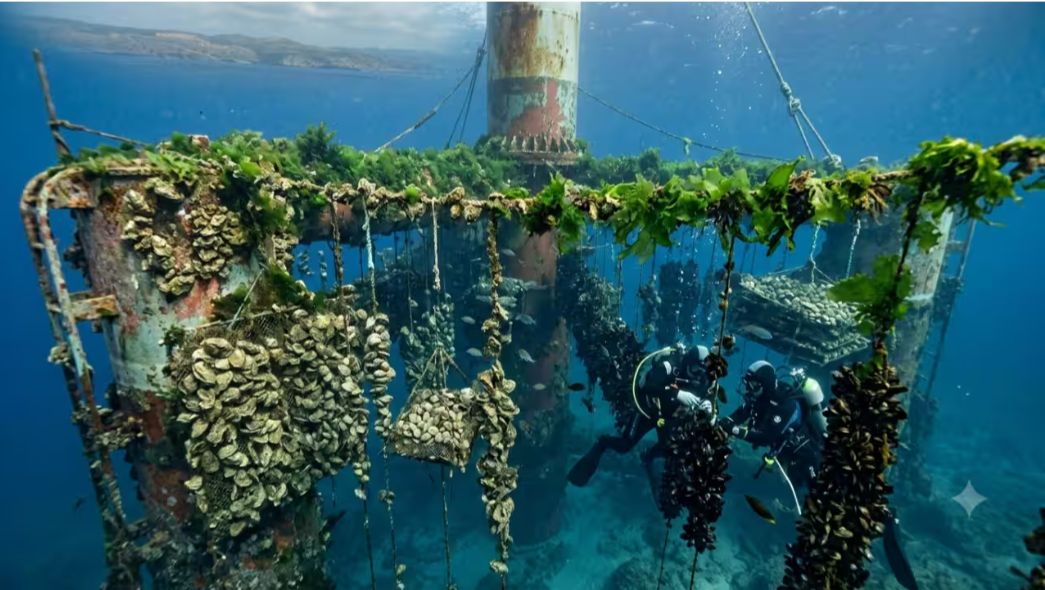
 NIGERIA
 ECOWAS expert calls for better genetics, research, local inputs and stronger standards
 ICELAND
 Voters prioritize national control over marine resources
 WORLDWIDE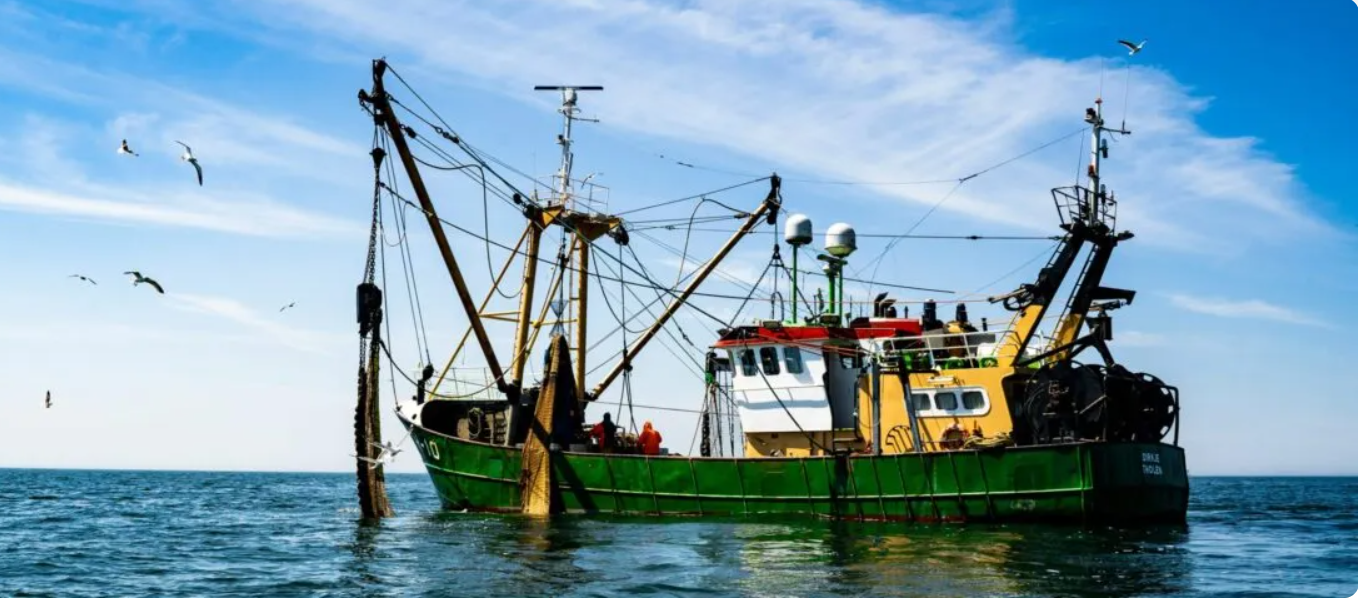
 UNITED KINGDOM
 Three of five crew members were rescued after the French vessel Maranello sank in the English Channel.
 The July Market Report from the Argentine Fisheries Secretariat shows strong export growth and improvements across nearly all indicators. Regarding destinations, China leads the list in terms of year-to-date totals with €360 million, followed by Spain (€267 million); however, in July alone, Spain took the top spot with €79 million (45% of the total value), displacing the Asian nation, which recorded €10 million. Argentine red shrimp—a key species for Galician companies operating in the region—drove this recovery. Between January and July, the Argentine fishing sector showed positive trends in landings, exports, and foreign currency earnings.
 FAROE ISLANDS
 Efficient waste management helps maintain water quality, ensures the health of aquatic species and supports sustainable production practices. Furthermore, it minimises negative impacts on surrounding ecosystems and local communities, thereby promoting responsible and eco-friendly aquaculture operations.
 FRANCE
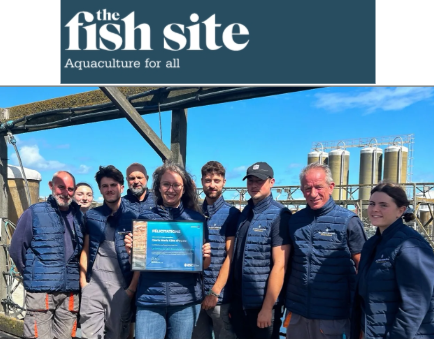 French aquaculture producer Gloria Maris Côte d’Opale has become the country’s first seabream and seabass farm to achieve Aquaculture Stewardship Council (ASC) certification.
 CHINA
CHINA.png) China’s rapidly expanding salmon market is increasingly being shaped by one clear trend: sashimi.
China’s rapidly expanding salmon market is increasingly being shaped by one clear trend: sashimi.