IIN BRIEF - Peru’s anchovy quota is nearly half fulfilled, but El Niño begins to affect subsequent fishing
PERU
Monday, December 04, 2023
Peru is one month into its second anchovy fishing season. As of November 20, a total of 802,346 tons had been caught in the central and northern regions, accounting for 48% of the total quota (1.68 million tons). Industry insiders remain cautiously optimistic about the remaining 52% quota.
Only 27 days into the fishing season, a warm "Kelvin wave" appeared in the fishing area, affecting the normal operations of fishing vessels.
The Peruvian National Marine and Hydrological Service (ENFEN) stated that the intensity of El Niño events has decreased recently, but it still has a certain impact. As summer approaches, changing ocean conditions are causing industry insiders to worry about remaining quotas. In addition to the Kelvin wave problem, rising seawater salinity in Peruvian waters has also slowed down fishing progress.
In Peru, fishmeal prices remain relatively high, while fish oil prices, which had hit record highs earlier this year, edged further higher due to low production. Currently, the price of CIF China's special-grade fishmeal is US$2,150/ton, the asking price of high-quality fishmeal is US$2,100/ton, and the price of standard-grade fishmeal is US$1,820/ton. Fish oil prices have reached new highs, with recent trade prices at $9,600/ton.
Source: Zhejiang Zhoushan International Agricultural Products Trade Center
Namibia's President, Netumbo Nandi-Ndaitwah, has launched a process in the country to improve the fishing sector. To this end, she opened a debate last week at a forum with the industry and began a tour of some of the companies based in the territory, one of the fishing strongholds of Galicia. Among her stops, the Namibian leader included the facilities of the Vigo-based company Pereira, with operations "focused on quality, sustainability, and innovation."
Nandi-Ndaitwah initiated a series of consultations, reaffirming that "Namibia's marine resources are a national heritage that must be protected and used sustainably."
Author: Adrián Amoedo / Faro de Vigo | Read the full article here
The next edition will be held in Barcelona from April 20-22, 2027
Last Thursday, the 32nd edition of Seafood Expo Global/Seafood Processing Global closed its doors in Barcelona after three days in which suppliers, buyers, and key players in the fishing and aquaculture sector from around the world gathered to present their products and services, explore innovations, exchange knowledge, and address the main opportunities and challenges that will shape the future of the industry. According to Diversified, the event organizer, this edition closed with the attendance of more than 35,500 professionals, "the highest attendance in the event's history."
A record attendance figure marked what was also the largest edition of the event to date, both in terms of exhibition space—52,980 net square meters—and the number of exhibiting companies, with 2,290 companies from 85 countries.
Source: ipac.acuicultura | Read the full article here
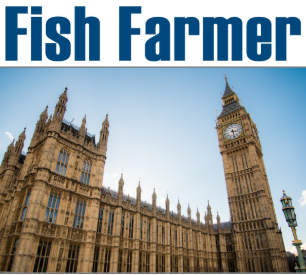
The UK government’s funding programme for fisheries and coastal communities has been ill thought out and poorly communicated, according to a report from MPs in the UK Parliament – and Scotland’s funding allocation may have been set too low.
The conclusions come from a report published today by the Environment, Food and Rural Affairs?(EFRA)?Select Committee of the House of Commons.
The report, “Resetting the relationship with fishing communities”, outlines how the Government can help the UK fishing industry thrive after a number of unforced errors.
Author: Robert Outram / Fish Farmer | Read the full article here
Lerøy Seafood chief executive Henning Beltestad warns of increasing international competition and the need for Norway not to lose its lead in aquaculture.
Everyday life as the head of a large seafood company is busy, but it gets a little extra hectic during the world's largest seafood fair in Barcelona. For Lerøy and chief executive Henning Beltestad, it is one of the most important meeting places for both new and existing customers.
Author: Ulrik Tallhaug Sydnes / fishfarmingexpert | Read the full article here
Seafood New Zealand is urging all sector participants to raise their voices as the Fisheries Amendment Bill enters a critical phase in Parliament. With the Select Committee now accepting public submissions, the industry has until April 29th to provide essential feedback on the proposed reforms.
Last year, 300 industry members participated in initial consultations. Now, Seafood New Zealand emphasizes that even greater engagement is needed to ensure decision-makers understand the practicalities of working on the water.
Key Aspects of the Bill:
Modernization: Updating systems to better integrate current technology and data.
Sustainability: Strengthening protections for fish populations and the marine environment.
Privacy Protections: Formalizing the exclusion of raw onboard camera footage from the OIA, maintaining the status quo where MPI releases data quarterly.
The organization stresses that if those in processing, science, and fishing do not share their "real-world experience," the outcome may be shaped by those who do not understand the NZ sector.
In the heart of Western Victoria, the Budj Bim cultural landscape stands as a testament to the sophisticated engineering of the Gunditjmara people. Featuring one of the world’s oldest and most extensive aquaculture systems, the site has fundamentally reshaped our understanding of early Indigenous populations.
Using the ancient basalt lava flows from the dormant Budj Bim volcano, Indigenous farmers constructed a complex network of channels, dams, and weirs to trap and harvest eels. Recent carbon-dating findings estimate that at least one of the five major systems is approximately 6,600 years old—predating the Egyptian Pyramids and Stonehenge.
In 2019, the site earned a prestigious spot on the UNESCO World Heritage List. Notably, it was the first Australian site inscribed exclusively for its cultural significance, honoring the enduring connection between the Gunditj Mirring Traditional Owners and their ancestral lands. This recognition validates a history of sedentary farming that lasted for millennia, proving that these ancient "fish traps" were part of a highly organized, permanent society.
A high-level delegation from Sri Lanka, led by Fisheries Minister Ramalingam Chandrasekar, concluded a strategic visit to Oslo aimed at revolutionizing the nation’s marine industry.
Colombo: Central to the talks with the Norwegian Ministry of Trade, Industry and Fisheries was the modernization of Sri Lanka’s aquatic sector through technology transfer. A key highlight involved discussions with Gunnar Stølsvik regarding the Blue Justice programme. Sri Lanka is seeking free access to a satellite-based vessel monitoring system to track fishing activity and combat illegal operations. Norway has signaled its intent to provide technical training for this implementation.
Further sessions with Anita Utheim Iversen of the Global Action Network focused on food security. Sri Lanka was invited to an international knowledge-sharing platform, allowing the National Aquatic Resources Research and Development Agency (NARA) to adopt global standards in fish nutrition and market value.
Minister Chandrasekar, supported by Secretary B. K. Kolitha Kamal Jinadasa and Director General S. J. Kahawatta, emphasized that this partnership will align local practices with international benchmarks. Formal cooperation agreements are expected in the coming months.
Karachi is set to become the heart of Pakistan’s blue economy with the establishment of a comprehensive Fisheries and Aquaculture Research Centre. Functioning as a complete “Aqua Ecosystem,” the facility will integrate the entire supply chain—from sustainable catching and farming to high-tech processing and international export.
Managed under the vision of Junaid Anwar Chaudhry, the center will feature hatcheries, quality testing laboratories, and aquaculture trial units. A primary focus will be placed on high-value species, including shrimp, tilapia, seabass, and pomfret.
To overcome coastal space limitations, the project will deploy IoT-based Recirculating Aquaculture Systems (RAS). This cutting-edge technology utilizes sensors and real-time analytics to treat and reuse water, drastically reducing waste. While Chaudhry acknowledged risks like water pollution and disease, the project aims to mitigate these through controlled farming and habitat protection.
By fostering partnerships with universities and private investors, the initiative expects to boost seafood exports and create vital jobs in logistics, research, and processing.
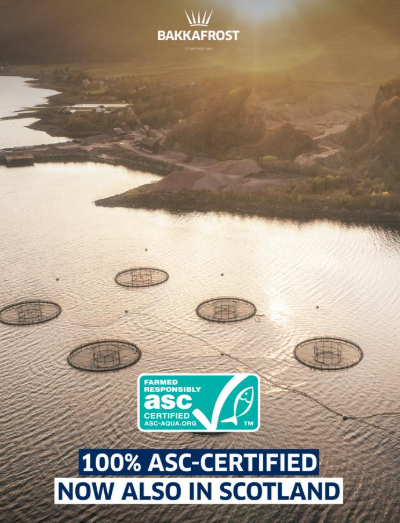
The Bakkafrost Group has officially reached a major sustainability milestone, achieving 100% ASC certification across its entire salmon farming portfolio in the Faroe Islands and Scotland.
Following the successful certification of its Faroe Islands operations in 2020, the Group has now brought its Scottish sites up to the same rigorous global standard. The Aquaculture Stewardship Council (ASC) badge is widely regarded as the industry’s gold standard for environmental and social responsibility.
Key Highlights of the Achievement:
Full Traceability: Ensures transparency across the entire value chain.
Rigorous Standards: Compliance with strict audits regarding fish welfare, biosecurity, and environmental care.
Consumer Trust: Provides independent assurance of responsible farming practices.
"Reaching 100% ASC certification is a significant milestone," says Anna Johansen, Group QESH Director. "It reflects the hard work of our teams and our commitment to continuous improvement in everything we do."
Why the West is a Lifeline for the World’s Bluefin Tuna United States
Decades of tracking data reveal that North American waters serve as a vital "safety zone" for migratory Mediterranean stocks.
A groundbreaking international study has confirmed that the Wes...




 PERU
PERU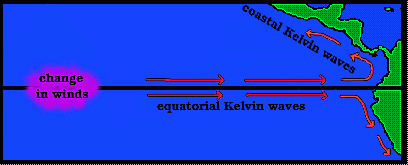
 NAMIBIA
 Namibia's President, Netumbo Nandi-Ndaitwah, has launched a process in the country to improve the fishing sector. To this end, she opened a debate last week at a forum with the industry and began a tour of some of the companies based in the territory, one of the fishing strongholds of Galicia. Among her stops, the Namibian leader included the facilities of the Vigo-based company
  SPAIN
SPAIN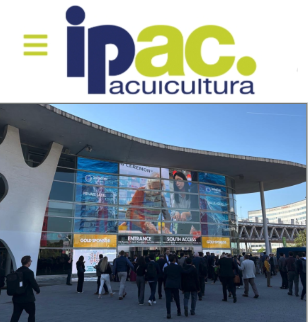 Last Thursday, the 32nd edition of
 NORWAY
.png) Kverva Finans
Kverva Finans UNITED KINGDOM
 The UK government’s funding programme for fisheries and coastal communities has been ill thought out and poorly communicated, according to a report from MPs in the UK Parliament – and Scotland’s funding allocation may have been set too low.
 Lerøy Seafood
  NEW ZEALAND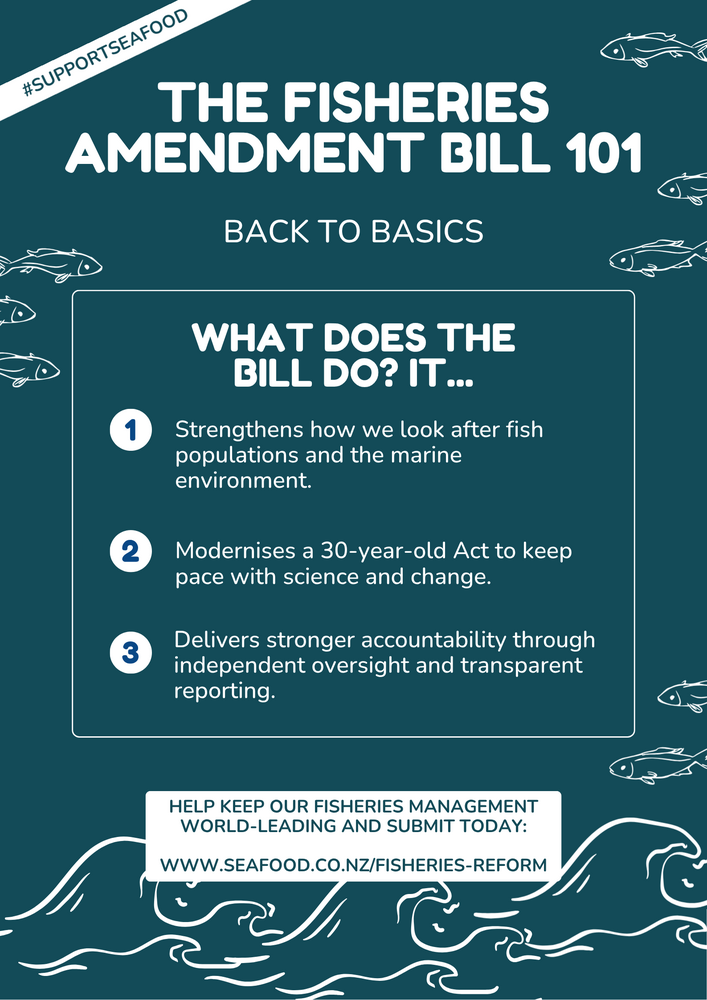
 AUSTRALIA
 SRI LANKA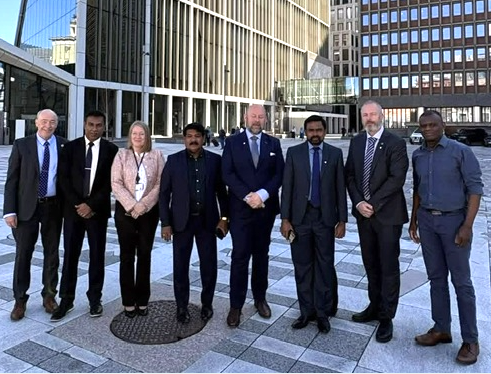
 PAKISTAN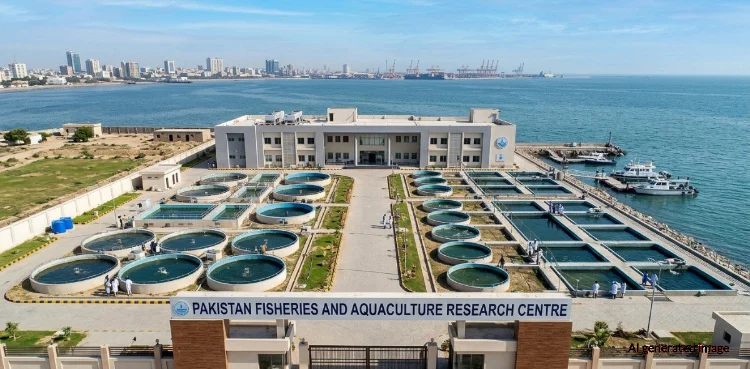
 FAROE ISLANDS
 Following the successful certification of its Faroe Islands operations in 2020, the Group has now brought its Scottish sites up to the same rigorous global standard. The Aquaculture Stewardship Council (ASC) badge is widely regarded as the industry’s gold standard for environmental and social responsibility.