IN BRIEF - Insufficient communication due to increase in fish catches after Fukushima's trial operation
JAPAN
Monday, March 27, 2023
On the 22nd, the Ministry of Agriculture, Forestry and Fisheries announced the results of the 2022 "Survey on the Distribution of MArine Products from Fukushima Prefecture."
The survey, which began in fiscal 2017 with the aim of clarifying the actual situation and causes of sluggish sales of Fukushima products, is the sixth. After the end of March 2009, the test fishing off the coast of Fukushima Prefecture was completed. It was shown that each fishery cooperative has different intentions for increasing the catch, and that communication between fishermen and intermediate distributors is inadequate.
The survey was conducted on all kinds of marine products, mainly flounder, flatfish, bonito, conger eel, and whitebait. They compiled 14 cases of interviews with vendors.
According to it, the fisheries cooperatives were divided into those whose catches were increasing after the end of the trial fishing operations and those whose catches were not increasing. The number of fisheries cooperatives, which are increasing, has increased the number of middlemen due to the consolidation and restoration of fish markets, and the narrowing down of fish with high prices based on size and species has led to higher beach prices. [...]
With a presence in sectors such as mining, transportation, infrastructure, data centers, energy, and—of course—aquaculture, WSP has focused its expertise and technical capabilities on generating solutions that add value to its clients' businesses and position them for future success.
With extensive experience in consulting, engineering, and integrated solutions, WSP—an international company based in Montreal, Canada—has established itself as a strategic partner for the country's key industries. In southern Chile, its relationship with the aquaculture sector has developed over more than two decades; this track record has enabled the company to gain deep insight into the region, the specific characteristics of the sector, and the challenges it faces regarding growth, sustainability, and innovation.
Chinese agribusiness Joyvio has requested a new arbitration in its long-running legal dispute with the former owners of Chilean salmon farmer Australis Seafoods, following the annulment of a compensation award worth around $300 million (€258 million).
According to Chilean newspaper El Mercurio, Joyvio has asked the Arbitration and Mediation Center (CAM) of the Santiago Chamber of Commerce to appoint a new arbitration panel, arguing that the Santiago Court of Appeals overturned the previous award but did not invalidate the underlying arbitration proceedings.
Source: SalmonBusiness | Read the full article here
The spot price of market-influencing Norwegian farmed salmon increased by NOK 1.44 (£0.11) per kilo, up to NOK 64.30 (£5.12) per kilo, in week 28, according to sector statistic provider Akvafakta.
That price is NOK 1.5 above the same week last year. If we compare it to the same week two years ago, the price is down by NOK 9.62, writes Fish Farming Expert's Norwegian sister site, Kyst.no.
If we look at the trend for the last four weeks, the price is down NOK 0.64.
Author: Ole Andreas Drønen / fishfarmingexpert | Read the full article here
Reshaping seafood purchasing with quality, health and trusted certification, new global ASC research reveals.
Global study of almost 15,000 consumers shows growing interest in sustainable seafood, with trusted certification increasingly helping shoppers buy with confidence.
Consumer interest in sustainable food is growing rapidly, with a more than 10 percentage point increase since 2024 in consumers who say they prefer environmentally friendly products and look for sustainability claims on food. Yet when shoppers buy seafood, health, taste and quality still come first. Trusted certification is increasingly helping consumers turn their sustainability intentions into purchasing decisions.
The Ministry of Fisheries, with the support of the General Fisheries Commission for the Mediterranean (GFCM) of the UNFood and Agriculture Organization (FAO), has commissioned the Spanish Institute of Oceanography (IEO-CSIC) to conduct an international scientific campaign. Launched yesterday and running until July 22, the campaign will assess the impact of semi-pelagic trawl doors—known as "flying doors"—on the seabed. The survey will take place in waters off the coast of Alicante (Mediterranean), where the switch from conventional doors has allowed the fishing fleet to increase its days of activity.
Source: La Voz de Galicia | Read the full article here
Morocco currently has 224 active aquaculture projects with an annual production capacity of around 90,000 tonnes, "reflecting growing investor confidence in the sector's potential and the effectiveness of established support schemes." This was highlighted during the 27th session of the Board of Directors of the National Agency for the Development of Aquaculture (ANDA), held this Tuesday, July 14, and chaired by Zakia Driouich, Secretary of State at the Ministry of Agriculture, Maritime Fisheries, Rural Development and Water and Forests.
The agenda for this ANDA Board of Directors meeting covered the Agency's achievements during the 2025 fiscal year, an assessment of progress on key projects launched within the sector, and a review of prospects for aquaculture development.
Source: iPac.acuicultura | Read the full article here
In 2023, the European Commission highlighted what is likely one of the major structural challenges facing the fishing industry since the establishment of the 200-mile exclusive economic zones: the need to begin addressing the decarbonization of the fishing sector.
It is worth putting that moment into context. Three years ago, the sector was still reeling from the chain of crises that had erupted at the start of the decade—most notably the war in Ukraine and its massive impact on fuel prices. Rising operating costs and the blow to corporate profitability—stemming from a heavy reliance on fossil fuels—forced Europe and individual states to mobilize funds to ensure the survival of businesses.
Source: Industrias Pesqueras | Read the full article here
Orkney Crab has become the first fishery in the world to achieve certification under the Community Catch standard for small-scale fisheries, marking a significant milestone for responsible seafood production and sustainable fishing communities.
Awarded by NSF, the certification recognises the Orkney-based fishery’s environmental stewardship, responsible fishing practices and social compliance, while providing independent third-party verification for seafood buyers.
Small-scale fisheries account for around 40% of the world’s fish catch and employ more than 90% of global capture fishers
The modern vessel, designed by Macduff Ship Design and built by Macduff Shipyards, stands out for its energy efficiency, safety, and suitability for the sustainable fishing of Norway lobster (langoustine) and prawns in the North Sea.
Innovation in fishing vessel design has once again gained international recognition with the "Best Prawn Trawler of 2025" award going to the *Gracious*, a vessel built by the Scottish shipyard Macduff Shipyards based on a design by Macduff Ship Design. The award highlights the growing importance of energy efficiency, safety, and sustainability in the renewal of the European fishing fleet.
Vietnam has reported a record-breaking 2026 first half seafood export performance.
Seafood exports from the country totalled US $5.8 billion (£4.3 billion) between January and June, a rise of 12.8% year on year.
According to the Vietnam Association of Seafood Exporters and Producers (VASEP) The increase was driven by higher demand, market diversification, and improved product restructuring.Vietnam is now a major producer of aquaculture related seafood products, notably shrimp and basa (pangasius).
Author: Vince McDonagh / Fish Farmer | Read the full article here
China Launches Support Measures for Distant-Water Fishing Fleet China
The People's Government of Dinghai District in Zhoushan promotes a comprehensive plan for modernization, international standardization, and subsidies for ocean-going fisheries
The People's Government...




 JAPAN
JAPAN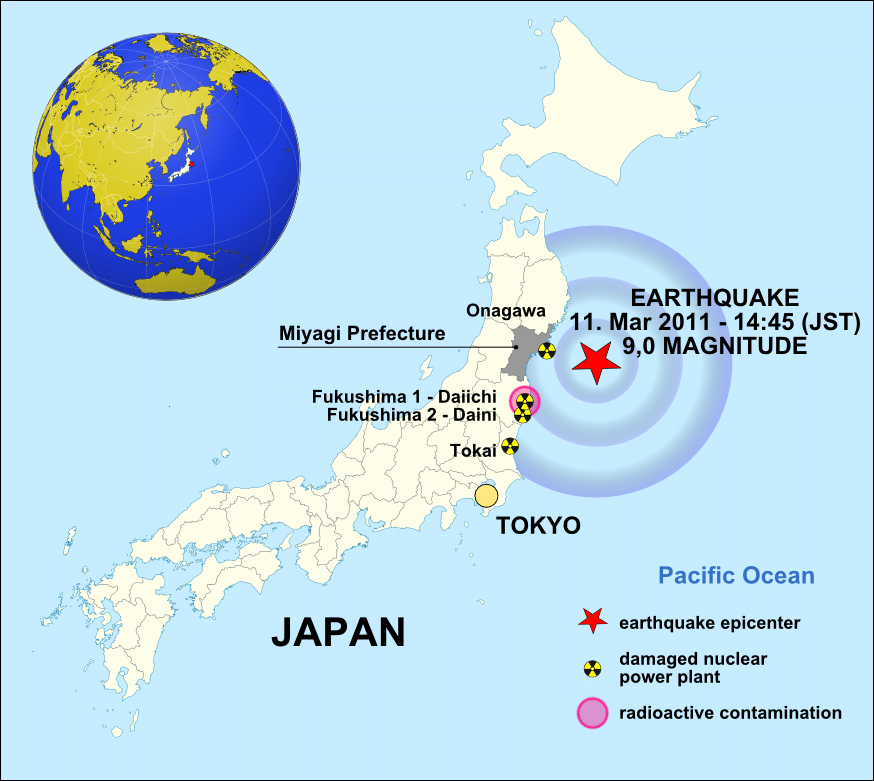

 CHILE
CHILE With a presence in sectors such as mining, transportation, infrastructure, data centers, energy, and—of course—aquaculture, WSP has focused its expertise and technical capabilities on generating solutions that add value to its clients' businesses and position them for future success.
.png) Chinese agribusiness
Chinese agribusiness  NORWAY
 The spot price of market-influencing Norwegian farmed salmon increased by NOK 1.44 (£0.11) per kilo, up to NOK 64.30 (£5.12) per kilo, in week 28, according to sector statistic provider Akvafakta.
 WORLDWIDE
.png) Global study of almost 15,000 consumers shows growing interest in sustainable seafood, with trusted certification increasingly helping shoppers buy with confidence.
Global study of almost 15,000 consumers shows growing interest in sustainable seafood, with trusted certification increasingly helping shoppers buy with confidence. SPAIN
SPAIN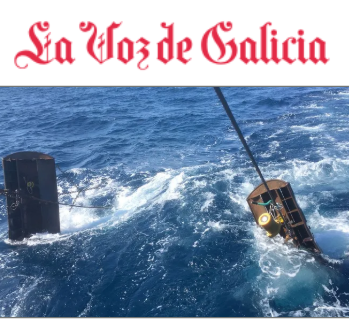 The Ministry of Fisheries, with the support of the General Fisheries Commission for the Mediterranean (GFCM) of the UN
  MOROCCO
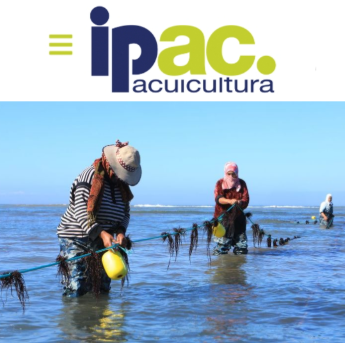 Morocco currently has 224 active aquaculture projects with an annual production capacity of around 90,000 tonnes, "reflecting growing investor confidence in the sector's potential and the effectiveness of established support schemes." This was highlighted during the 27th session of the Board of Directors of the National Agency for the Development of Aquaculture (ANDA), held this Tuesday, July 14, and chaired by Zakia Driouich, Secretary of State at the Ministry of Agriculture, Maritime Fisheries, Rural Development and Water and Forests.
 EUROPEAN UNION
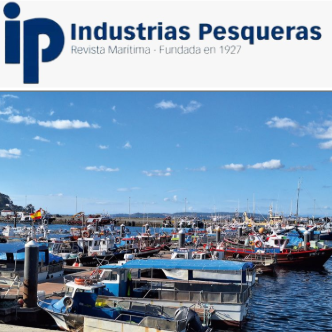 In 2023, the European Commission highlighted what is likely one of the major structural challenges facing the fishing industry since the establishment of the 200-mile exclusive economic zones: the need to begin addressing the decarbonization of the fishing sector.
 UNITED KINGDOM
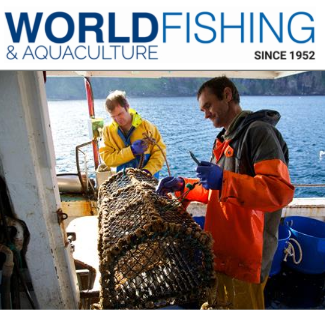 Orkney Crab has become the first fishery in the world to achieve certification under the Community Catch standard for small-scale fisheries, marking a significant milestone for responsible seafood production and sustainable fishing communities.
.png) The modern vessel, designed by Macduff Ship Design and built by Macduff Shipyards, stands out for its energy efficiency, safety, and suitability for the sustainable fishing of Norway lobster (langoustine) and prawns in the North Sea.
The modern vessel, designed by Macduff Ship Design and built by Macduff Shipyards, stands out for its energy efficiency, safety, and suitability for the sustainable fishing of Norway lobster (langoustine) and prawns in the North Sea. VIET NAM
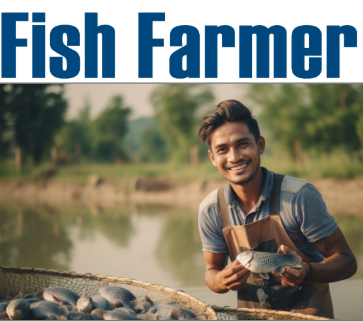 Vietnam has reported a record-breaking 2026 first half seafood export performance.