Other Media | Fish Farmer: OptoScale raises $4.1m for growth
NORWAY
Thursday, October 14, 2021
Underwater sensor business OptoScale has raised $4.1m (£3m) to scale up its operations and expand to Australia, Chile and Iceland.
OptoScale, based in Norway, sells real-time monitoring equipment for fish farms. The company already operates in Norway, Scotland and Canada and its technology enables remote monitoring of data, including accurate and real time average weight as well as detection of welfare issues like wounds, deformations and lice
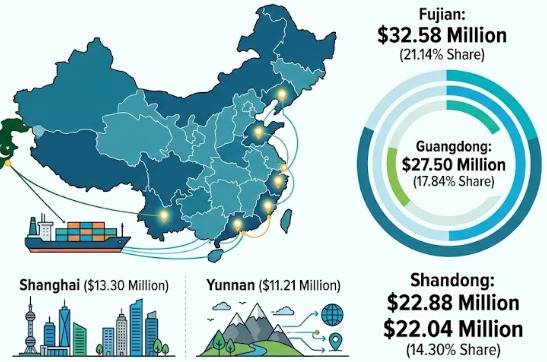
Strong demand for frozen fish, squid, sardines and live crustaceans drives rapid trade growth
Pakistan’s seafood exports to China reached $220 million in the first seven months of 2026, up 41% from $156 million a year earlier. Frozen fish led exports at $40.04 million, followed by cuttlefish and squid at $36.39 million. Around 200 Pakistani seafood exporters are now registered with Chinese customs.
Scheme will offset higher fuel costs with grants covering up to 70% of the increase
The European Commission approved Germany’s €4.5 million aid scheme for fishing and aquaculture companies affected by higher fuel prices linked to the Middle East crisis. Direct grants will cover 70% of estimated additional fuel costs from March 1 to July 23, 2026, capped at €50,000 per company. The scheme runs until December 31, 2026.
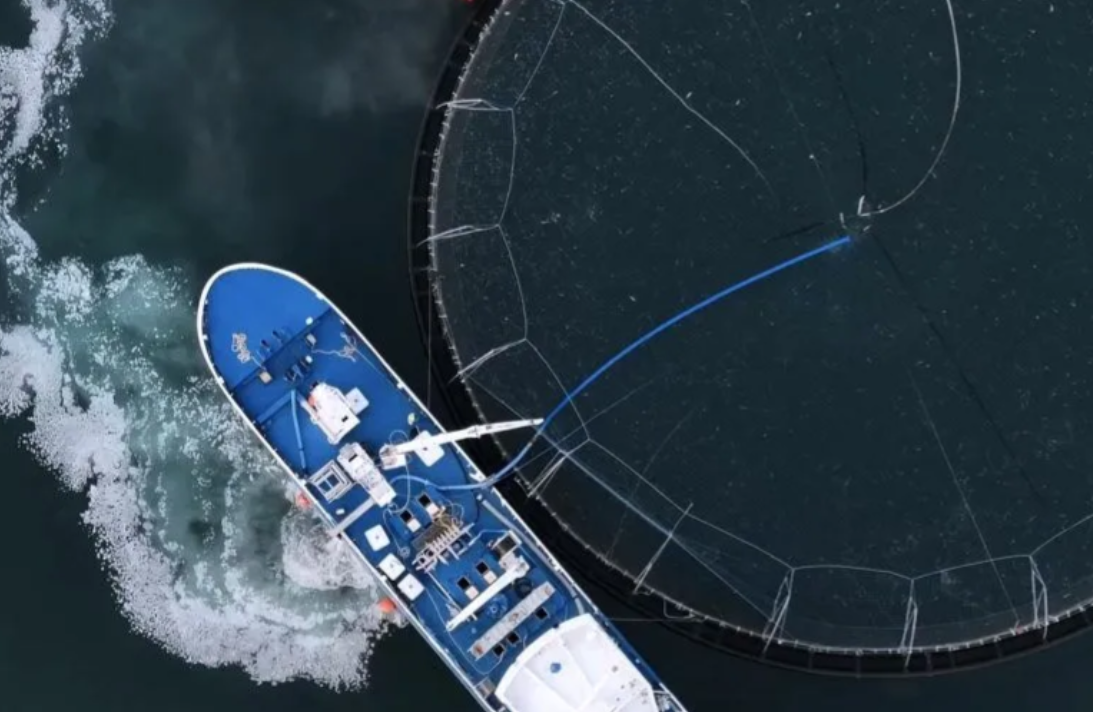
More than 745,000 salmon died in June, the highest monthly loss since December 2024
Mortality reached about 3% of farmed salmon at sea. MAST linked the largest losses to incidents during fish release and transfers in the Eastfjords and Westfjords. After corrective measures, mortality fell to about 1% in July.
September program will connect consumers with local fishers, aquaculture producers and chefs across Darwin.
Australia’s Northern Territory will hold its inaugural NT Seafood Month in September, showcasing mud crab, Spanish mackerel, Humpty Doo barramundi, Australia Bay snapper and local prawns. The NT Seafood Trail will feature restaurants, producer dinners, chef collaborations and cooking demonstrations.
New rules target traceability, stock protection and stronger seafood exports
Kerala unveiled a draft fisheries plan featuring science-based harvest controls, gear restrictions and digital traceability. Square-mesh codends will protect juveniles, while wider TED adoption and MSC certification for shrimp and cephalopods aim to strengthen sustainability and access to global markets.
Data from the SFPA reveal significant disparities in the uptake of fishing opportunities allocated for 2026: albacore has reached 116%, saithe stands at 170%, sole at 169%, blue whiting at 118%, and hake at 94%, while numerous other quotas remain below 20%.
The utilization of fishing quotas allocated to Ireland for 2026 shows significant imbalances, with more than four months still remaining in the year. Data published by the Sea-Fisheries Protection Authority (SFPA) highlight stocks where usage already exceeds available limits, alongside others where only a small fraction has been caught. This situation reflects a combination of fleet strategies, resource availability, and the complexity of the European quota management system.
Peru’s Production Ministry (PRODUCE) has canceled the North-Central anchovy fishery for the season, leaving over 1 million metric tons (MT) of available quota uncaught.
Peru set a lower quota for the North-Central season of 1.9 million MT, which was down from the 3 million MT total allowable catch set for the same fishery in 2025. Despite the season kicking off in early April, fishers had only caught 471,000 MT, according to official data, with 51.6 percent of that catch comprising juvenile anchovies.
PRODUCE announced in El Peruano that the percentage of juvenile anchovy in the fishery remained at a rate too high to allow fishing, largely due to warming waters caused by El Niño
Author: Chris Chase / SeafoodSource | Read the full article here
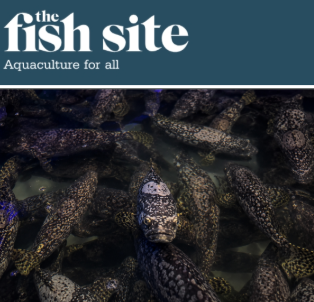
Oceanloop, a German aquaculture technology company developing software-driven recirculating aquaculture systems (RAS), has secured up to €38.5 million to scale its technology and expand production of giant grouper in Europe.
After several years of biological and technical development, Oceanloop has become the first company to farm giant grouper in Europe. Sales from its existing land-based farm in Strande near Kiel began in April 2026 through Oceanloop’s sister company Honest Catch, marking the transition from research and development to commercial production. The existing facility is expected to supply approximately 20to 30 tonnes per year.
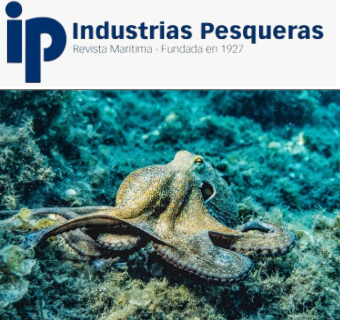
The keen interest sparked within the British sector by the "octopus bloom"—the massive proliferation of *Octopus vulgaris* in the waters off southwest England and the western English Channel that began in 2025—has prompted the government to take action. After establishing a working group to advance the management of this fishery—which, until a year ago, was negligible—the Marine Management Organisation (MMO) has now launched an information website aimed at the general public, the fishing industry, and the scientific community. "The octopus proliferation has understandably generated enormous interest, and we want to ensure that everyone can easily find reliable, up-to-date information in one place."
Source: Industrias Pesqueras | Read the full article here
PFAS, or ‘forever chemicals’, are commonly used to make textiles and other materials resistant to water and fire. However, because they persist in the environment and build up in living organisms, they pose growing risks to human health and ecosystems.
To help address this challenge, Venice-based start-up Algae Scope transforms residual seaweed biomass into a bio-based additive with natural fire- and water-repellent properties, offering manufacturers an alternative to PFAS.




 NORWAY
 10_38_44.png) Underwater sensor business OptoScale has raised $4.1m (£3m) to scale up its operations and expand to Australia, Chile and Iceland.
Underwater sensor business OptoScale has raised $4.1m (£3m) to scale up its operations and expand to Australia, Chile and Iceland. PAKISTAN
 Strong demand for frozen fish, squid, sardines and live crustaceans drives rapid trade growth
 GERMANY
 Scheme will offset higher fuel costs with grants covering up to 70% of the increase
 ICELAND
 More than 745,000 salmon died in June, the highest monthly loss since December 2024
 AUSTRALIA
.png) Australia’s Northern Territory will hold its inaugural NT Seafood Month in September, showcasing mud crab, Spanish mackerel, Humpty Doo barramundi, Australia Bay snapper and local prawns. The NT Seafood Trail will feature restaurants, producer dinners, chef collaborations and cooking demonstrations.
Australia’s Northern Territory will hold its inaugural NT Seafood Month in September, showcasing mud crab, Spanish mackerel, Humpty Doo barramundi, Australia Bay snapper and local prawns. The NT Seafood Trail will feature restaurants, producer dinners, chef collaborations and cooking demonstrations. INDIA
INDIA.png) New rules target traceability, stock protection and stronger seafood exports
New rules target traceability, stock protection and stronger seafood exports REPUBLIC OF IRELAND
.png) Data from the SFPA reveal significant disparities in the uptake of fishing opportunities allocated for 2026: albacore has reached 116%, saithe stands at 170%, sole at 169%, blue whiting at 118%, and hake at 94%, while numerous other quotas remain below 20%.
Data from the SFPA reveal significant disparities in the uptake of fishing opportunities allocated for 2026: albacore has reached 116%, saithe stands at 170%, sole at 169%, blue whiting at 118%, and hake at 94%, while numerous other quotas remain below 20%. PERU
PERU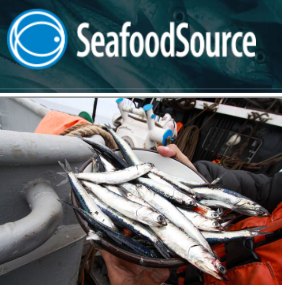 Peru’s Production Ministry (
 Oceanloop, a German aquaculture technology company developing software-driven recirculating aquaculture systems (RAS), has secured up to €38.5 million to scale its technology and expand production of giant grouper in Europe.
 UNITED KINGDOM
 The keen interest sparked within the British sector by the "octopus bloom"—the massive proliferation of *Octopus vulgaris* in the waters off southwest England and the western English Channel that began in 2025—has prompted the government to take action. After establishing a working group to advance the management of this fishery—which, until a year ago, was negligible—the Marine Management Organisation (MMO) has now launched an information website aimed at the general public, the fishing industry, and the scientific community. "The octopus proliferation has understandably generated enormous interest, and we want to ensure that everyone can easily find reliable, up-to-date information in one place."
 ITALY
ITALY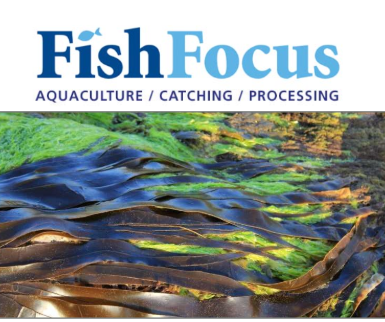 PFAS, or ‘forever chemicals’, are commonly used to make textiles and other materials resistant to water and fire. However, because they persist in the environment and build up in living organisms, they pose growing risks to human health and ecosystems.