Welcome   Sponsored By
Subscribe | Register | Advertise | Newsletter | About us | Contact us
If you would like to send us an article, contact Margaret Stacey


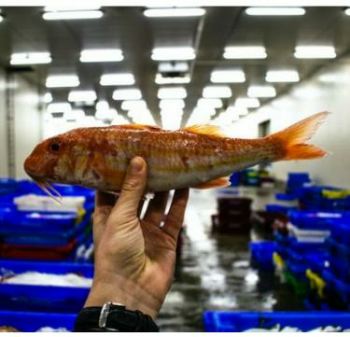
Photo by Paul Einerhand on Unsplash

5 Challenges for the European Fish Processing Industry in a Post COVID-19 World

  (EUROPEAN UNION, 5/13/2021)

In a recently published research paper, a group of experts analysed the response of the global seafood industry to the COVID-19 pandemic and the effects of global supply chain breakdowns in the opening months of the crisis.

The paper focuses heavily on how food systems in general can be made more resilient, and how vulnerable various sub-industries are to shock events.

In this article, we take a brief look at the seafood processing industry, and the challenges it faces in the near future, as processing plants get to grips with the changing economic and social landscapes that lie ahead.

Here are five of the most pressing concerns:

1. Staff Shortages and a Shifting Labour Market

When the COVID-19 pandemic first hit mainland Europe in March 2020, it quickly became apparent that the food processing industry as a whole was in for a rough ride.

Due to a combination of mass testing, social distancing measures and an increasing demand for canned foods, the fish processing industry quickly began to feel the pressure. Manual processes like fish grading are notoriously labour intensive, especially without the use of a dedicated grading machine. It's still proving tricky for some factories to re-open at full capacity, even after a full year has passed.

Not only has the COVID-19 pandemic seen large numbers of migrant workers unable to travel to their seasonal jobs, there’s a profound feeling of change in the air, as European countries in particular transition out of lockdowns and begin to rethink how they might build back their economies with sustainability in mind.

For the fish industry, that almost certainly means greater centralisation, less of a reliance on humans to carry out tasks like fish grading, and a gradual move towards robotics and automation, taking processes like the aforementioned fish grading system into the digital age.
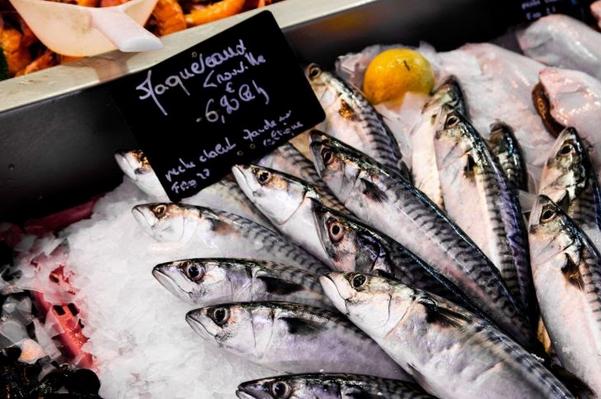
Photo by Tapan Kumar Choudhury on Unsplash

Which brings us neatly to:

2. Inefficient and Outdated Machinery

As well as fish grading, several processes at the other end of the production line, such as packing and palleting, are still done manually in many of Europe’s more outdated plants.

The technology is evolving at a rapid rate though, and those older plants will need to stay abreast of the new technological advances if they wish to remain competitive: With everything from a fully automated roller grading line, through to extremely efficient nobbing machines that can process up to a 1,000 pounds of fish per day with just a single operator, it’s clear where the industry is heading.

3. Rising Operational and Refitting Costs

The automated systems described above don’t come cheap, and it’s going to be a tough period for many fish processing plants, as they struggle to upgrade ageing fish grading and filleting machinery to compete with cheap labour markets in China, Thailand and Vietnam.

Still, there is some light at the end of the tunnel: For businesses willing to embrace robotics and other smart technologies, there could be vast savings to be had further into the future.
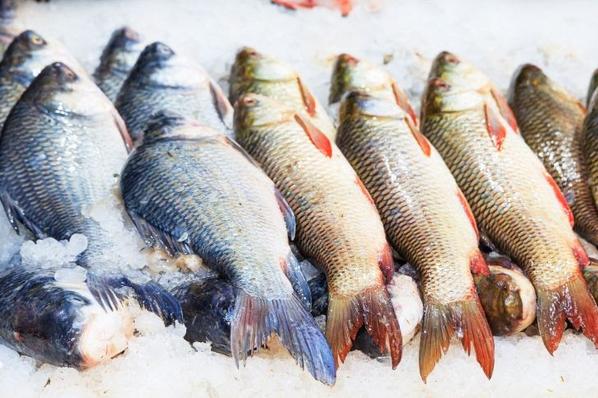
Photo by Samuel C. on Unsplash

4. Increased Demand for Smaller Species

During the early days of the pandemic, there was a huge rush to purchase large supplies of canned foods, as consumers tried to gauge the severity of the virus and hurriedly prepared for an extended period of isolation.

Whilst many experts are warning that sales of these types of foods are now slowing, there are some good reasons to suggest that not only will sales of canned fish continue to remain popular, but smaller varieties of native European fish like anchovies, mackerel and herring will gain massively in popularity, as consumers trend towards healthier and more sustainable local choices.

And how will that shift affect the fish processing industry? In short, it will require more specialised (and different) equipment. Processing plants will need to employ ever more advanced fish grading systems and grading machines like roller grading lines, to sort these tricky smaller species, as well as employing advanced nobbing and canning machines to speed up the rest of the processing stages.

5. The Sustainability Problem

As we’ve touched upon above, food processing, like every other industry sector, is going to come under ever greater scrutiny once economies reopen after COVID-19.

Governments, and the general public themselves are rethinking how they want their societies to function, and consumers are responding by making food choices that are better for the planet. How the fish processing industry evolves to cope with these new demands will be key to its future success…

[email protected]
www.seafood.media


Information of the company:
Address: Lejasrandoti
City: Mucenieki, Ropazu novads
State/ZIP: Riga Region (LV-2137)
Country: Latvia
Phone: +371 67 248 036
Fax: +371 67 312 873
E-Mail: [email protected]
More about:


Location:

View Larger Map


 Print


Click to know how to advertise in FIS
MORE ARTICLES
Insectum Emerges as Danish Insect Industry's Sole Survivor, Poised for Global Expansion
Carsoe Launches High-Tech 'Buffer Warehouse' to Revolutionize Frozen Logistics
Nomad Foods Reports Q3 Declines Amid Headwinds, Forecasts Low-End 2025 Results
Seeing Underwater: ELWAVE Secures €6 Million Funding for Advanced Electromagnetic Sensor Technology
Nissui Posts Robust Half-Year Profits, Driven by Aquaculture and Global Processing Gains
Marel: 'Automation and Digital Traceability Reshape the Whitefish Industry'
Mowi Sets Ambitious 2030 Targets for Sustainable Salmon Farming
Aquaculture Breakthrough: Skretting Launches Necto, a Groundbreaking Functional Feed for Fish
From Heavy Industry to High-Tech Salmon: Kawasaki's MINATOMAÉ System Pioneers Suburban Aquaculture
JBT Marel Unveils 2024 Sustainability Report, Highlights Global Strategy for a Resilient Food System
Blue Lice Pioneers Tech-Driven Solution to Combat Sea Lice in Norwegian Aquaculture
First Sea-Based Salmon Farm in Africa to Launch in Namibia
Royal Greenland Reports Return to Profit in First Half of 2025 Amid Volatile Market
Samherji Reports EUR 45.6M Net Profit Amid Reinvestment
Huon Aquaculture Revolutionizes Operations with SoSub's APAMA ROV
Seafood Expo Asia Announces Conference Program with Expert-led Sessions on Sustainability, Aquaculture, Fish Processing, Aquafeeds and Consumer Trends
Freire Shipyard Launches 'Anita Conti': A New Era of Sustainable Ocean Research for France
Bermeo Tuna World Capital to Position Tuna Sector and Local Blue Economy at High-Level Political Forum in New York
Aquaculture Innovation: Experts Address Hidden Challenges of Waterborne Feeding
Automation Revolutionizes Fish Processing: Working For or Against Your Business?
More Articles...

Lenguaje
FEATURED EVENTS
  
TOP STORIES
Red Shrimp Quota Allocation Awaits Political Will to Regulate Argentine Fishery
Argentina The resource, the main driver of the fishing sector, has met the scientific conditions since 2023, but the lack of definition regarding the fleet expanded in the last decade is halting the full applic...
Norway Pelagic Fishing Update Week 48
Norway Kvænangen Herring Quota Reached as Norwegian Fisheries Conclude Weekly Catch Report The fishing activities in Kvænangen have officially concluded for the season, marking the fulfillment o...
EU Fishing Fleet Sails to Recovery: €567 Million Profit Projected for 2025
European Union Sustainable Quotas and Lower Fuel Costs Drive Economic Rebound The European Commission has released its 2025 annual economic report on the European Union fishing fleet, projecting a significant rebou...
New Zealand's Onboard Camera Programme: Enhancing Transparency and Science in Commercial Fishing
New Zealand Record-Breaking Surveillance System Delivers Verified Data and Builds Public Trust New Zealand has established the world's largest commercial fisheries camera programme, with 219 onboard units now op...
 

Umios Corporation | Maruha Nichiro Corporation
Nichirei Corporation - Headquarters
Pesquera El Golfo S.A.
Ventisqueros - Productos del Mar Ventisqueros S.A
Wärtsilä Corporation - Wartsila Group Headquarters
ITOCHU Corporation - Headquarters
BAADER - Nordischer Maschinenbau Rud. Baader GmbH+Co.KG (Head Office)
Inmarsat plc - Global Headquarters
Marks & Spencer
Tesco PLC (Supermarket) - Headquarters
Sea Harvest Corporation (PTY) Ltd. - Group Headquarters
I&J - Irvin & Johnson Holding Company (Pty) Ltd.
AquaChile S.A. - Group Headquarters
Pesquera San Jose S.A.
Nutreco N.V. - Head Office
CNFC China National Fisheries Corporation - Group Headquarters
W. van der Zwan & Zn. B.V.
SMMI - Sunderland Marine Mutual Insurance Co., Ltd. - Headquarters
Icicle Seafoods, Inc
Starkist Seafood Co. - Headquearters
Trident Seafoods Corp.
American Seafoods Group LLC - Head Office
Marel - Group Headquarters
SalMar ASA - Group Headquarters
Sajo Industries Co., Ltd
Hansung Enterprise Co.,Ltd.
BIM - Irish Sea Fisheries Board (An Bord Iascaigh Mhara)
CEFAS - Centre for Environment, Fisheries & Aquaculture Science
COPEINCA ASA - Corporacion Pesquera Inca S.A.C.
Chun Cheng Fishery Enterprise Pte Ltd.
VASEP - Vietnam Association of Seafood Exporters & Producers
Gomes da Costa
Furuno Electric Co., Ltd. (Headquarters)
NISSUI - Nippon Suisan Kaisha, Ltd. - Group Headquarters
FAO - Food and Agriculture Organization - Fisheries and Aquaculture Department (Headquarter)
Hagoromo Foods Co., Ltd.
Koden Electronics Co., Ltd. (Headquarters)
A.P. Møller - Maersk A/S - Headquarters
BVQI - Bureau Veritas Quality International (Head Office)
UPS - United Parcel Service, Inc. - Headquarters
Brim ehf (formerly HB Grandi Ltd) - Headquarters
Hamburg Süd Group - (Headquearters)
Armadora Pereira S.A. - Grupo Pereira Headquarters
Costa Meeresspezialitäten GmbH & Co. KG
NOAA - National Oceanic and Atmospheric Administration (Headquarters)
Mowi ASA (formerly Marine Harvest ASA) - Headquarters
Marubeni Europe Plc -UK-
Findus Ltd
Icom Inc. (Headquarter)
WWF Centroamerica
Oceana Group Limited
The David and Lucile Packard Foundation
Ajinomoto Co., Inc. - Headquarters
Friosur S.A. - Headquarters
Cargill, Incorporated - Global Headquarters
Benihana Inc.
Leardini Pescados Ltda
CJ Corporation  - Group Headquarters
Greenpeace International - The Netherlands | Headquarters
David Suzuki Foundation
Fisheries and Oceans Canada -Communications Branch-
Mitsui & Co.,Ltd - Headquarters
NOREBO Group (former Ocean Trawlers Group)
Natori Co., Ltd.
Carrefour Supermarket - Headquarters
FedEx Corporation - Headquarters
Cooke Aquaculture Inc. - Group Headquarters
AKBM - Aker BioMarine ASA
Seafood Choices Alliance -Headquarter-
Austevoll Seafood ASA
Walmart | Wal-Mart Stores, Inc. (Supermarket) - Headquarters
New Japan Radio Co.Ltd (JRC) -Head Office-
Gulfstream JSC
Marine Stewardship Council - MSC Worldwide Headquarters
Royal Dutch Shell plc (Headquarter)
Genki Sushi Co.,Ltd
Iceland Pelagic ehf
AXA Assistance Argentina S.A.
Caterpillar Inc. - Headquarters
Tiger Brands Limited
SeaChoice
National Geographic Society
AmazonFresh, LLC - AmazonFresh

Copyright 1995 - 2025 Seafood Media Group Ltd.| All Rights Reserved.   DISCLAIMER