|
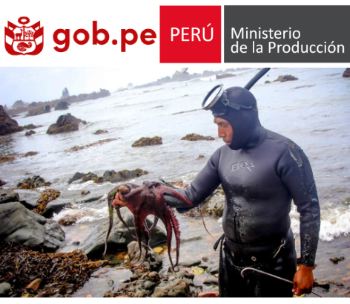
For the octopus O. mimus in Peruvian waters, there is a minimum catch weight of 1 kg.
Peru Sets 2025 Octopus Quota for Northern Coast, Prioritizing Sustainability
 PERU
PERU
Tuesday, May 27, 2025, 00:10 (GMT + 9)
New 730-Tonne Catch Limit for Piura and Lambayeque Includes Differentiated Quota for Protected Island, Guided by Scientific Data.
LIMA – Peru's Ministry of Production (Produce) has approved a maximum octopus catch quota of 730 tonnes for 2025 in the northern coastal regions of Piura and Lambayeque. This decision, based on scientific recommendations from the Peruvian Marine Research Institute (IMARPE), aims to ensure the long-term sustainability of the Octopus mimus resource, a vital component of the region's artisanal fisheries.
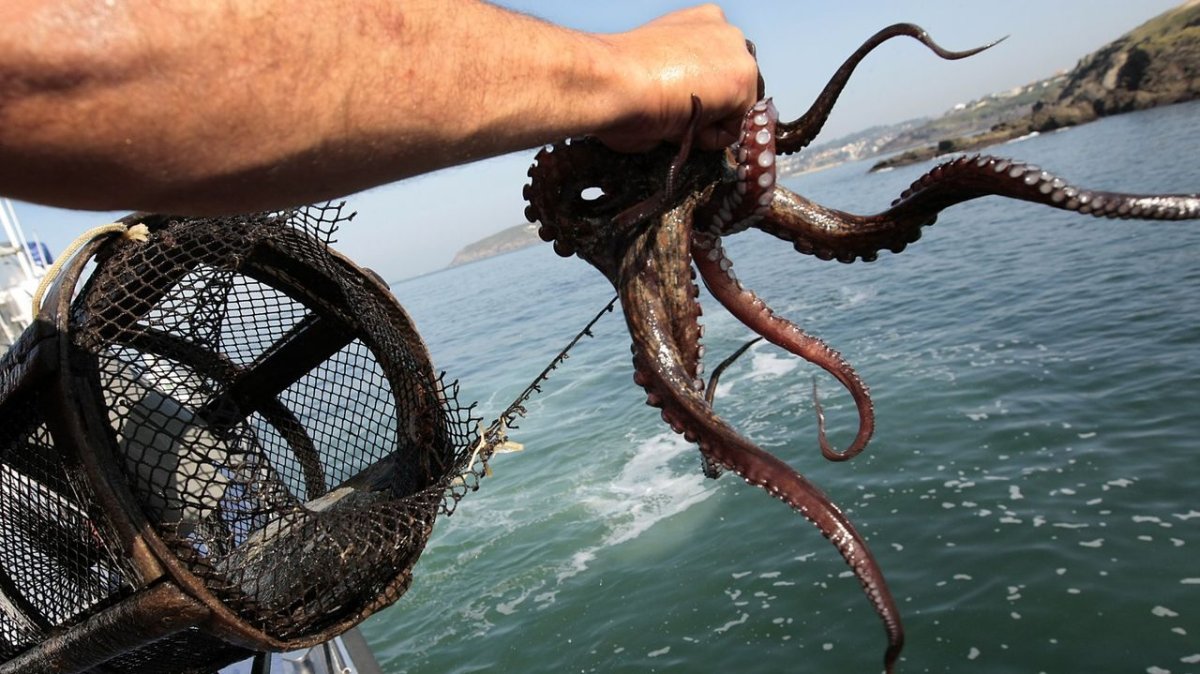
IMARPE's technical report, "Estimation of octopus yield in the northern Peruvian coast," indicated the resource is currently under full exploitation, with 730 tonnes identified as the maximum sustainable yield for the coming year. This total will be allocated differentially across the fishing zones.
Of the total, 708.75 tonnes are designated for the general marine area of Piura and Lambayeque. A specific, smaller quota of 21.25 tonnes has been set for Lobos de Afuera Island, which is located within a natural reserve. This differentiated approach for Lobos de Afuera extends until September 2025 and has received favorable endorsement from the National Service of Natural Protected Areas by the State (SERNANP).
.jpeg)
"These quotas are decisions based on science, constant monitoring, and a long-term vision to protect an important fishery in the north of the country," stated Jesús Barrientos, Vice Minister of Fisheries and Aquaculture.
 In a further move to protect the species, Produce has also formalized an annual reproductive closed season for Lobos de Afuera Island, which will run from October 1 to December 31. This period has been identified as the peak reproductive activity for the octopus in that area, and all forms of extraction, processing, commercialization, or storage of octopus will be prohibited there during these three months. In a further move to protect the species, Produce has also formalized an annual reproductive closed season for Lobos de Afuera Island, which will run from October 1 to December 31. This period has been identified as the peak reproductive activity for the octopus in that area, and all forms of extraction, processing, commercialization, or storage of octopus will be prohibited there during these three months.
"The balance between conservation and sustainable use is a state responsibility. This measure protects the octopus and also provides certainty to fishermen, allowing them to plan their activity with clear rules," Barrientos added.
Produce reaffirms its commitment to science-based management, ensuring both the sustainability of marine resources and the economic security of artisanal fishermen along Peru's northern coast.
[email protected]
www.seafood.media
|





 Print
Print