|
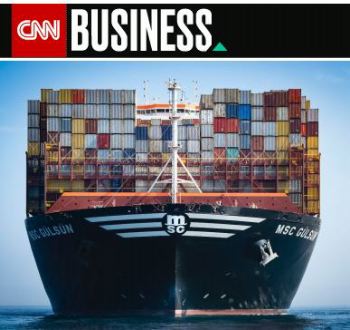
MSC Gülsün, the world’s largest container ship
How the pandemic turned humble shipping containers into the hottest items on the planet
 WORLDWIDE WORLDWIDE
Tuesday, October 05, 2021, 07:00 (GMT + 9)
The following is an excerpt from an article published by CNN Business:
The 30,000 aluminum tins were supposed to show up in a 20-foot shipping container in July. Months later, they haven't arrived — and SJ Hunt, the co-founder of Lavolio, a boutique confectionery in London, is starting to panic.
The made-to-order boxes, which Lavolio packs with fruit, nut and jelly-filled chocolates, are a key part of the brand, and Hunt paid top dollar to ensure they'd make it from the manufacturer in East Asia to a port in Suffolk, England.
Renting a shipping container for this route usually costs Hunt and partner Lavinia Davolio between $1,500 and $2,000. This time, they had to shell out more than $10,000 — a hefty sum to spend on something that hasn't actually turned up.
"The long and short of it is it's been a nightmare, and unprecedented for us," Hunt said.
Roughly 18 months into the Covid-19 pandemic, global shipping is still in crisis, with backlogs looming over the peak holiday shopping period. One look at the market for steel shipping containers, and it's clear that a return to normal won't happen any time soon.
Before the coronavirus hit, companies could rent a humble 20-foot or 40-foot box with relative ease, allowing them to move goods at a low cost. Containers have a lifespan of about 15 years before they're recycled into low-cost storage or building solutions.
.jpg)
Shipping containers and cranes on the quayside at the Port of Rotterdam in the Netherlands on July 29, 2021.(Photo: Courtesy CNN)
But empty boxes remain scattered across Europe and North America, while supply chain delays mean even more are needed to fulfill orders. Demand for goods, meanwhile, has soared — giving the network of ships, containers and trucks that deliver merchandise around the world little time to catch up.
As a result, containers have become incredibly scarce and extremely expensive. One year ago, companies would pay roughly $1,920 to book a 40-foot steel container on a standard route between China and Europe, according to data from Drewry, a maritime research consultancy. Now, firms are spending more than $14,000, an increase of more than 600%. Meanwhile, the cost of buying a container outright has effectively doubled.

Photo: courtesy Ikea
Businesses everywhere are struggling to cope. Furniture giant Ikea has bought its own shipping containers to try to ease some logistical headaches. But that's not an option for a small candymaker like Lavolio, which is rethinking its expansion plans and may have to raise prices — a sign of the broader damage caused by supply chain problems that won't go away.
The container mess
For months, global supply chains have been stretched to their breaking point, triggering shortages of items from computer chips to McDonald's milkshakes.
Container boxes have played a central role in the chaos. When the pandemic hit, major shipping lines canceled dozens of sailings. That meant empty boxes weren't picked up before China's export sector began to bounce back, and global demand for consumer products like clothing and electronics surged.
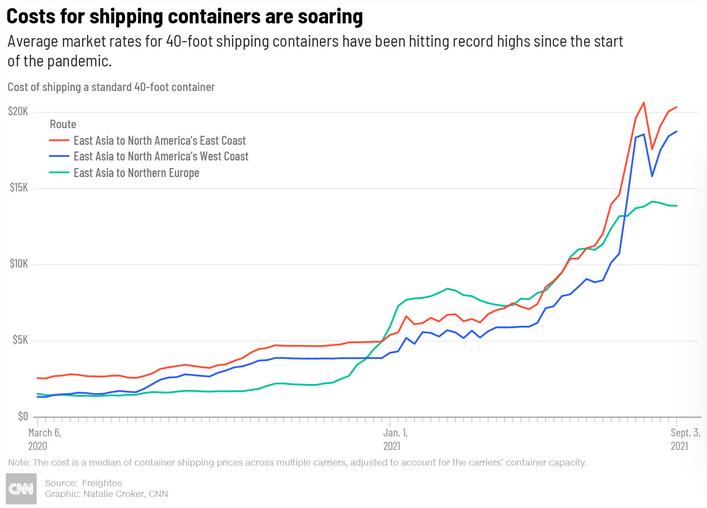
Click image to enlarge
The glut of empty containers — or "empties," in industry lingo — has persisted as coronavirus restrictions continue to snarl operations at ports and depots, and as shipping costs have continued to rise.
"Do we see more empties in port? Yes, we do," said Emile Hoogsteden, vice president of commercial at the Port of Rotterdam in the Netherlands, the largest port in Europe. Rotterdam has had to create extra storage capacity for the containers as "a temporary solution."
.jpg)
Containers are seen transported at Ningbo-Zhoushan port on August 15, 2021 in China. (Photo: Courtesy CNN)
One point of friction is that a lot of the cargo going from Europe back to Asia is low-value materials like waste paper and scrap metal, Hoogsteden said. As shipping prices have gone up, those trips aren't worth it anymore, leaving boxes stranded. (continues...)
Author / Source: Julia Horowitz / CNN Business | Read the full article by clicking de link here
[email protected]
www.seafood.media
|





.jpg)
 Print
Print