|
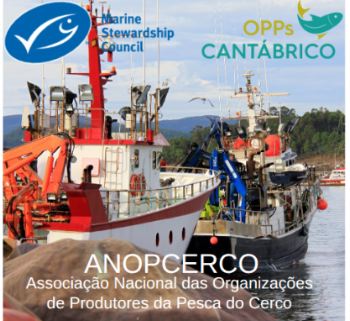
Photo: OPPs Cantábrico/FIS
Sustainable Fishing Milestone: Atlantic Coast Iberian Sardine Recovers MSC Blue Label
 SPAIN
SPAIN
Wednesday, July 09, 2025, 07:00 (GMT + 9)
A unique binational collaboration model, led by Spanish and Portuguese purse-seine fleets, has achieved a pioneering certification for Iberian sardine, guaranteeing the sustainability of a key resource and setting a precedent in fisheries management.
The Iberian sardine (Sardina pilchardus) from the Atlantic coast has recovered the prestigious Marine Stewardship Council (MSC) Blue Label, marking a significant milestone in sustainable fishing on the Iberian Peninsula. This achievement is the result of the joint leadership of the National Association of Purse-Seine Fishery Producers' Organizations (ANOPCERCO) from Portugal and the Cantabrian Sea Fishery Producers' Organizations Association (OPPs Cantábrico) from Spain. The certification not only endorses both fleets' commitment to sustainability but also assures consumers that Iberian sardine caught using this method comes from environmentally responsible sources.
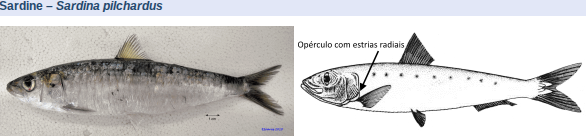
Following a rigorous independent assessment, initiated in September 2024 and carried out by Bureau Veritas, the purse-seine fishery has met the three fundamental principles of the MSC standard: a healthy sardine stock, minimal impact on the marine ecosystem, and effective and transparent fishery management.
The Iberian sardine is a vital resource for both Portugal and Spain, with its presence extending from the Bay of Biscay to the Strait of Gibraltar. For 2025, sardine catching opportunities were set at 51,738 tonnes, of which 66.5% (34,406 tonnes) correspond to Portugal and 33.5% (17,332 tonnes) to Spain. The certified catches, covered by the MSC Blue Label, are made by a specialized fleet of 317 vessels, comprising 132 Portuguese and 185 Spanish ships.
The sardine fishing season in northern Spain began on March 19, while in Portugal it commenced on April 21. It has been indicated that, since the publication period of the report known as PCDR (Public Comment Draft Report), sardine catches stored by the members of the Iberian client group are eligible to bear the MSC Blue Label, certifying their sustainable and responsible origin.
.jpeg)
Photo: OPPs Cantábrico.
Cross-Border Alliance: A Unique Collaboration Model in the Value Chain
This unprecedented achievement has been possible thanks to the coordinated effort of the entire sector's value chain. The client group for this certificate includes 15 Fishery Producers' Organizations from Spain and Portugal, as well as three key Portuguese food industry associations. All Portuguese producer organizations are grouped under ANOPCERCO, while in Spain, they are under OPPs Cantábrico. Additionally, the Portuguese associations Associação Nacional dos Industriais de Conservas de Peixe (ANICP), Associação Nacional da Indústria pelo Frio e Comércio de Produtos Alimentares (ALIF), and Associação Portuguesa de Empresas de Distribuição (APED), representing the canning, fresh or frozen products, and food distribution sectors, are also part of this effort. This exemplary collaboration, unique within the MSC program, among fishers, processors, and distributors, has been fundamental in achieving certification and advancing towards more sustainable and responsible fishing practices.
With this certification, the Iberian sardine fishery reaffirms its commitment to sustainability. Previously, only the Portuguese fleet had held this recognition, which was suspended in 2014 due to resource management challenges. Since then, significant improvements have been implemented, notably the new multi-annual management plan effective until 2026, agreed upon in 2021 between Portugal and Spain. This plan regulates annual fishing opportunities, closed seasons, and limits on juvenile fishing, among other measures, to ensure sustainable and coordinated management of this shared resource.
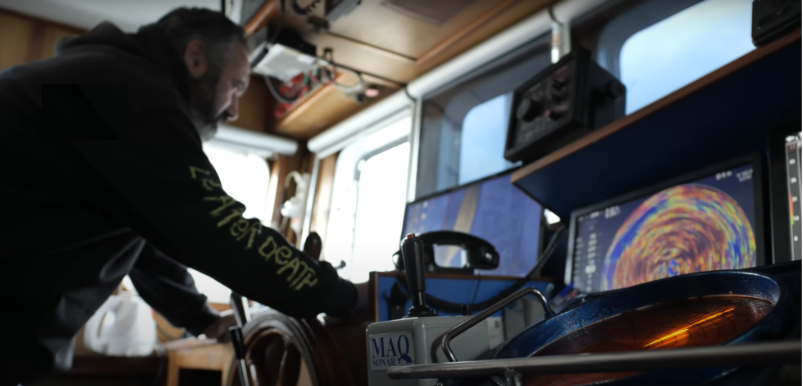
Photo: OPPs Cantábrico.
Since the first certification in 2010, Portugal established the Comissão de Acompanhamento da Pesca da Sardinha, a key body that brings together scientists, managers, the fishing sector, and NGOs. This commission has been fundamental in the continuous supervision and adaptation of management measures, contributing decisively to the long-term recovery and conservation of the sardine.
Ongoing Commitment to Resource Health and the Ecosystem
MSC has congratulated all the promoters of this certification for their commitment and effort in demonstrating the sustainability of the Iberian sardine fishery through a rigorous and transparent process. The management of this species, key to the Atlantic-Iberian ecosystem and fundamental to the marine trophic chain, has required continuous adaptation of catches and the application of technical measures to ensure stock recovery and the protection of the marine environment.
This certification is the result of scientific innovation, international cooperation, and the positive socioeconomic impact of the fishery. Projects developed by institutions such as the Instituto Português do Mar e da Atmosfera (IPMA) and the Instituto Español de Oceanografía (IEO) have provided new knowledge about the ecosystem and improved management models. The collaboration among fleets, scientists, administrations, and companies from Spain and Portugal has been essential to achieve this recognition. Furthermore, the Iberian sardine supports thousands of jobs and is an economic and cultural pillar in numerous coastal communities.
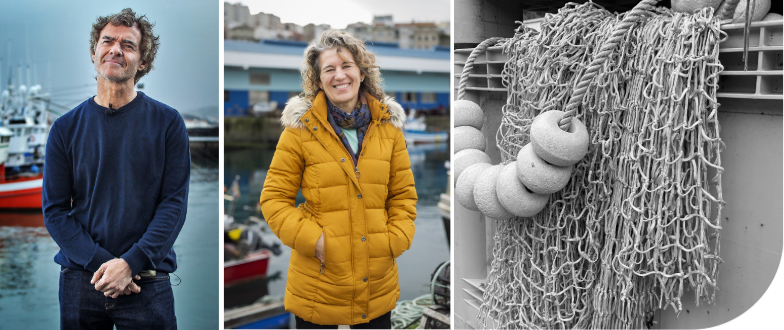
Xebe Amunarriz, skipper, and Carmen Chamorro Netmaker and shipowner, both members of the Cantabrian OPPs.
In this assessment, the MSC Fisheries Standard recognized the importance of the sardine as a key species in the Atlantic-Iberian ecosystem, requiring independent assessors to adopt an even more precautionary approach to meeting environmental criteria.
Continuous Improvement and Future Research
MSC certification is not considered an endpoint, but a commitment to continuous improvement. The fishery has committed, within a five-year period, to:
-
Increase the coverage of independent observers on board.
-
Improve the recording of interactions with non-target species.
-
Evaluate the impact on protected, threatened, and endangered species.
-
Strengthen control and compliance mechanisms.
-
Promote training workshops to continue progressing towards excellence.
The monitoring and compliance with these improvements will be verified through annual audits conducted by the independent certifier.
(1).png)
As part of its commitment to sustainability and innovation, the Iberian sardine purse-seine fishery has been selected to receive a research grant for students from MSC's Ocean Stewardship Fund (OSF). This financial support, awarded to the project led by the University of Vigo and IPMA, will enable advancements in integrating ecosystem criteria into sardine stock management. The project will develop an updated model that incorporates the sardine's role as a key species in the marine food chain, ensuring that management strategies are more robust and resilient to environmental challenges.
Sardine: Part of a Healthy Diet and a Sustainable Future
Oily fish is an essential food for a healthy diet. According to a recent study in the British Journal of Nutrition, sardine is particularly recommended for inclusion in the diet. It stands out for its high nutritional value, providing proteins, healthy omega-3 fats, calcium, and vitamins D and B12, which help support heart, bone, and brain health. Furthermore, it is a very common fish in Iberian cuisine, and its regular consumption is beneficial at all ages. Choosing sardine also means supporting sustainable fishing that protects the environment and ensures its future availability.
"MSC certification for the Portuguese sardine purse-seine fishery is the recognition of an extraordinary collective effort. Reaching this point has demanded significant sacrifices from fishers and vessel owners—from long periods of fleet stoppage to a substantial reduction in catches—always with the goal of recovering the stock and ensuring the sector's sustainability. This certification is not just an environmental distinction: it is proof that it is worth investing in responsible resource management and in the perseverance of fishing communities that live from the sea." Humberto Jorge, President of ANOPCERCO.
"OPPs Cantábrico is convinced that the path forward involves working on the sustainability of its fisheries, and the MSC label is an important tool to achieve this. For its fisheries, MSC means market visibility, a guarantee that consumers are acquiring a sustainable product, and transparency in all the work carried out for the sustainability of fishery resources by the Portuguese and Spanish fleet of over 300 vessels." Norberto Emazabel, President of OPPS Cantábrico.
.png) "Congratulations to the entire Spanish and Portuguese fleet for this major success! The fleet has had to recover a stock that was in a very difficult situation, and they have been visionary in achieving this. To do so, they have had to make sacrifices, such as reducing fishing effort, and have developed new tools like a management plan and precautionary catch control rules. These measures have allowed the sardine situation to be much better now than when certification was first obtained 15 years ago. Furthermore, they are currently much better prepared to respond to changes in the stock and ensure that, in the future, sardine remains sustainable. Likewise, this is not an end point, but a continuing journey of improvements that the fleets must continue to implement to maintain certification. Our sincerest congratulations to the Spanish and Portuguese purse-seine fleet for the leadership shown. It is hoped that now markets will recognize and reward this effort for sustainability that the fleet has carried out and will continue to carry out." Alberto Martín, Director of MSC for Spain and Portugal. "Congratulations to the entire Spanish and Portuguese fleet for this major success! The fleet has had to recover a stock that was in a very difficult situation, and they have been visionary in achieving this. To do so, they have had to make sacrifices, such as reducing fishing effort, and have developed new tools like a management plan and precautionary catch control rules. These measures have allowed the sardine situation to be much better now than when certification was first obtained 15 years ago. Furthermore, they are currently much better prepared to respond to changes in the stock and ensure that, in the future, sardine remains sustainable. Likewise, this is not an end point, but a continuing journey of improvements that the fleets must continue to implement to maintain certification. Our sincerest congratulations to the Spanish and Portuguese purse-seine fleet for the leadership shown. It is hoped that now markets will recognize and reward this effort for sustainability that the fleet has carried out and will continue to carry out." Alberto Martín, Director of MSC for Spain and Portugal.
[email protected]
www.seafood.media
|




 Print
Print