|
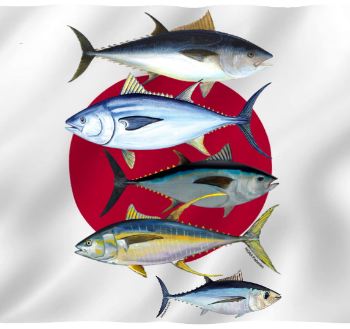
Photo: Stockfile/FIS
The commercial and consumption benefits of tuna species in Japan
 JAPAN
JAPAN
Monday, October 14, 2024, 00:10 (GMT + 9)
Exploring the World of Tuna: A Deep Dive into Japan’s Favorite Fish
The term "maguro" (tuna) evokes images of the king of sushi, commanding staggering prices at New Year auctions in Japan's markets. However, "tuna" encompasses a variety of species, each with unique qualities that make them suitable for different culinary experiences, as reported by the Nippon Communications Foundation.
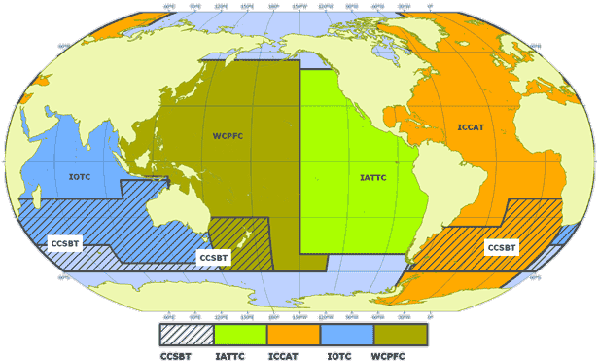
The different regional organizations for the control and administration of tuna fishing
Japan: Fifth in Total Tuna Catch
Tuna has become a staple in sushi and sashimi menus worldwide, often referred to by its Japanese name, maguro. While Japan has earned a reputation as the world's largest consumer of tuna, some fear that its supremacy is being challenged by the rising popularity of salmon. Although global fish consumption is increasing, Japan's consumption has been on the decline, which may simply reflect shifting trends.
Up until the 1980s, Japan was the leading nation for tuna fishing. However, as sushi gained popularity overseas, it was surpassed by Taiwan, Southeast Asian countries, Mexico, and Spain. According to the United Nations Food and Agriculture Organization, Japan ranked fifth in 2022, with an annual catch of 120,000 metric tons—about a third of Indonesia's leading catch of 340,000 metric tons.
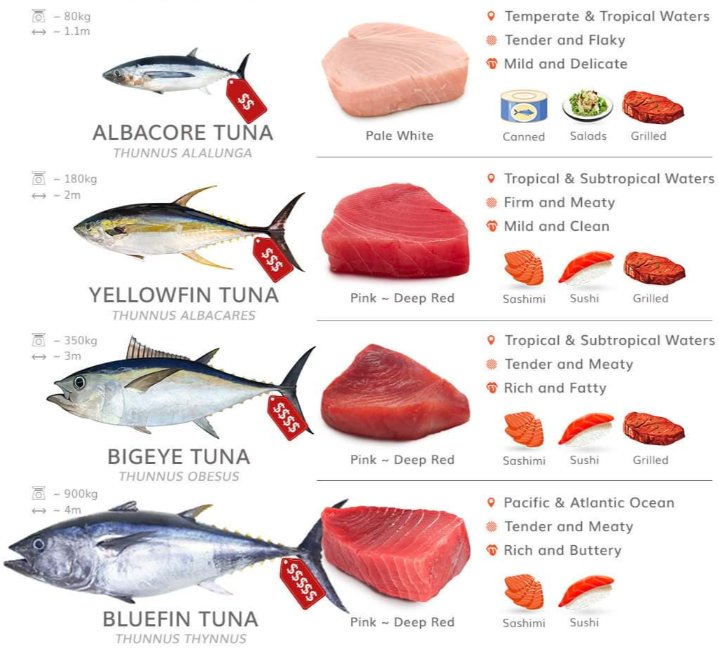
Photo: FIS Stockfile
'Kuromaguro or hon maguro': The Northern Bluefin—The King of Local Waters
The northern bluefin tuna, or kuromaguro, continues to fetch premium prices in Japan and remains a favorite among international visitors. Despite this, Japan's tuna market is surprisingly diverse, featuring varieties like southern bluefin and bigeye tuna, as well as distinctions between wild-caught and farmed, domestic and imported, fresh and frozen fish.
Surprisingly, even among maguro-loving Japanese consumers, there is a general lack of awareness about the different types of tuna, leading many diners—both locals and tourists—to view it simply as "just tuna." In this article, we will explore the unique traits and fishing conditions of each type, helping readers make informed choices.
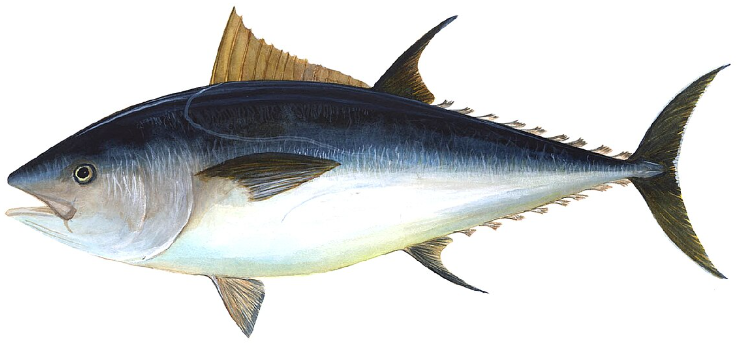
Photo: FIS Stockfile
First on the list is the king of maguro: the northern bluefin tuna, often referred to as honmaguro or “true maguro.” Industry insiders refer to it as the "black diamond" due to the luster of its scales and its high market prices. At the first wholesale auction of the year at Tokyo’s Toyosu fish market, a single fish can sell for record amounts in the hundred-million-yen range, making Toyosu the epicenter of the domestic tuna market. For 13 consecutive years, the coveted first tuna of the year sale went to fish from Ōma, Aomori Prefecture, which is now known for its globally recognized "brand" of Pacific bluefin, Ōma Maguro.
The northern bluefin thrives in colder waters, growing particularly large and producing a rich amount of fatty meat. These fish inhabit both the Pacific and Atlantic Oceans, primarily in the northern hemisphere, migrating along Japan's coastlines. The inshore catch, particularly Ōma Maguro, can be sold fresh at market. Even outside the peak sales season during the New Year holidays, fresh honmaguro can command prices exceeding ¥10,000 per kilogram at Toyosu Market, often ending up at high-end sushi restaurants for several thousand yen per serving.
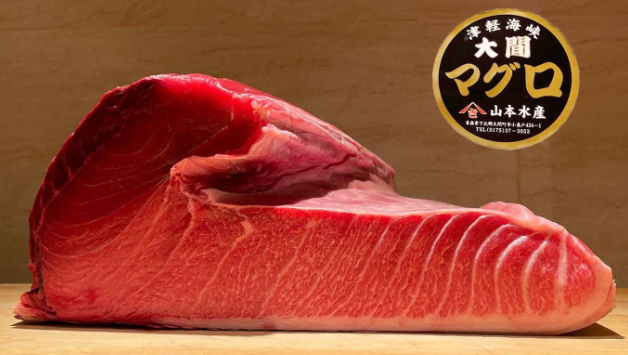
Photo: FIS Stockfile
However, it’s important not to equate the term kuromaguro with "fresh, inshore tuna." Some bluefin are farmed, while others are shipped frozen from distant Pacific or even Atlantic fishing grounds. Recent global resource management has implemented strict fishing quotas, particularly for Pacific bluefin, which limits inshore supplies. According to Fisheries Agency figures, of the 61,800 tons of domestically supplied tuna in 2022, Pacific bluefin accounted for 10,000 tons, including those caught by deep-sea fishing vessels. This contrasts with over 20,000 tons of farmed fish and around 25,000 tons of Atlantic bluefin.
Halved Quotas Stirring the Market
Recently, there have been growing hopes for more reasonably priced bluefin tuna.
In July 2024, the Northern Committee of the Western & Central Pacific Fisheries Commission met in Kushiro, Hokkaidō, and agreed to increase Japan’s catch quotas. The quota for fish weighing 30 kilograms and over was raised by 150%, from 5,614 tons to 8,421 tons, while the quota for smaller fish (under 30 kilograms) increased from 4,007 to 4,407 tons. This marks the first increase in large bluefin tuna quotas in three years, and the first ever for small fish. Recognizing that small fish play a vital role in sustaining fish stocks, there is potential for large fish quotas to rise further if fishing conditions are favorable next year.
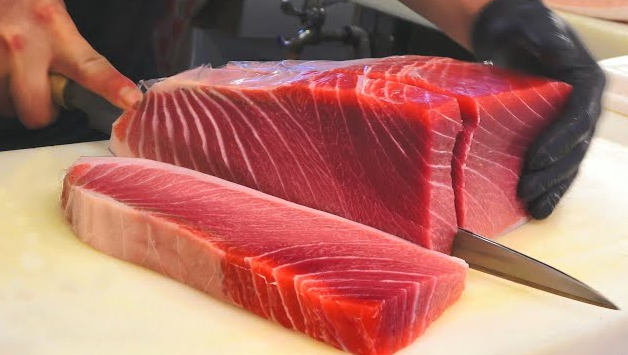
Photo: FIS Stockfile
Nevertheless, those involved with the Fisheries Agency and fish markets remain skeptical about any significant price reductions. Japan’s fishing quotas are allocated at the prefectural level and then distributed among local fishery cooperatives, often resulting in fragmented allocations. A wholesaler at Toyosu explained that the price of fresh, unfrozen tuna is largely determined by the day’s catch, making it difficult to predict that an increase of a few tons over the course of a year will lead to lower prices.
At the very least, this quota expansion should prevent prices from rising, allowing us to maintain hope for reasonably priced tuna.
'Minami or Indian Maguro': The Southern Bluefin—Prices on the Decline
Next on the list is the southern bluefin tuna, which experienced a significant price drop this spring, leaving fishermen in a difficult position.
.png)
Photo: FIS Stockfile
Native to the Indian Ocean and other southern hemisphere waters, southern bluefin is often referred to as “Indian” maguro in Japan. It boasts a high-quality, fatty toro and lean akami meat, making it a favorite among insiders at Toyosu. At times, it even commands higher prices at auctions than northern bluefin. Market staff have noted that the akami is sweeter and pairs well with vinegared sushi rice, leading some sushi chefs to prefer Indian tuna over its northern counterpart.
Southern bluefin are caught by longline boats far out at sea, and most are shipped to market frozen. The COVID-19 pandemic led to a drop in imports, resulting in higher market prices for fish brought into domestic ports like Shizuoka’s Shimizu Port in fiscal 2022.
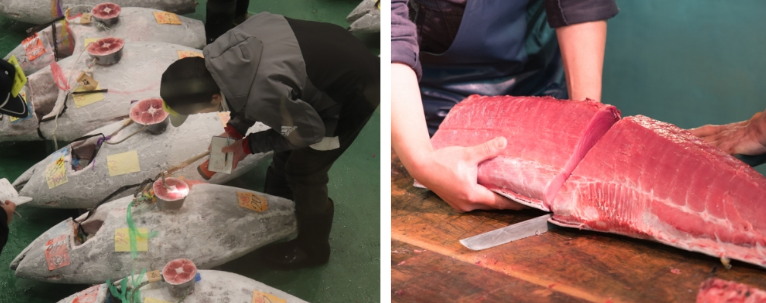
Photo: FIS Stockfile
However, the distribution levels recovered in fiscal 2023, causing prices to plummet. According to the Japan Tuna Fisheries Cooperative Association, large southern bluefin tuna (40 kilograms and over) fell to around ¥1,500 per kilogram—a 40% drop year on year. The deep-sea fishing vessels targeting southern bluefin also catch bigeye tuna, which inhabit similar fishing routes. A decline in southern bluefin fishing boats may lead to fewer bigeye available on the market, directly impacting household dinners.
While those on the supply side are hoping for a price recovery, consumer understanding remains a challenge. Southern bluefin lacks the brand power of northern bluefin, and customers often doubt that fish from the warmer southern seas can compete with those from the colder northern waters. However, the truth is that waters south of Australia or the Cape of Good Hope produce fish that can rival their northern counterparts.
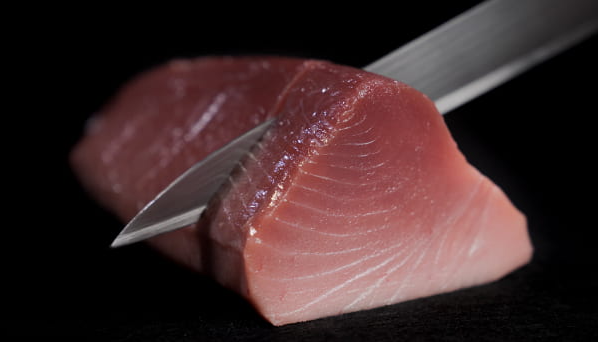
Photo: FIS Stockfile
In an effort to stimulate demand, the association released a promotional video for southern bluefin tuna in June, alongside plans to educate customers on its flavor profile, provide recommended recipes, and share information to overcome misconceptions.
'Bigeye Maguro': The People's Tuna
Unlike the premium northern or southern bluefin tuna, bigeye tuna is a common feature at conveyor belt sushi restaurants and in supermarket coolers. As its name suggests, bigeye tuna has particularly large eyes, distinguishing it from its blue-finned relatives. Since there is no farmed bigeye, all market supply is wild-caught. Its vivid, lean akami meat is light yet rich in umami, making it an accessible treat for the average consumer.
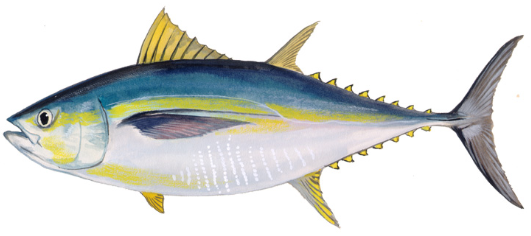
Photo: FIS Stockfile
In recent years, domestic catches have remained around 26,000 tons, but much more is imported from Taiwan, South Korea, and China, bringing the total yearly distribution to nearly 80,000 tons—surpassing the combined total of northern and southern bluefin at 77,000 tons. Bigeye is caught across vast areas of the Pacific, Atlantic, and Indian Oceans near the equator, with the majority reaching Japan frozen.
.png)
Photo: FIS Stockfile
Until recently, fishing resource management focused on the Pacific and Atlantic Oceans, but with catches in the Indian Ocean also declining, regulations were introduced there this year. Industry leaders predict that these measures will not significantly impact catch levels, as their effect on distribution and prices is expected to be limited.
'Chūtoro Maguro': The Yellowfin—Light but Less Favored
Yellowfin tuna leads both domestic catches and imports among all tuna species, with a market supply of 112,000 tons in 2022. Named for the yellow color of its long dorsal and belly fins, as well as its sides, yellowfin has high protein content and a delicate flavor.
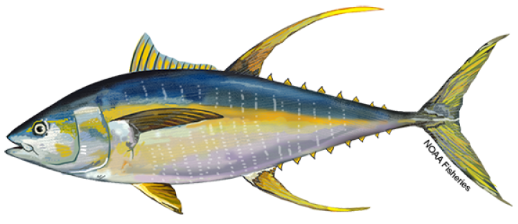
Photo: FIS Stockfile
While chūtoro is popular for sushi, its lower fat content often results in it being used primarily for canned tuna.
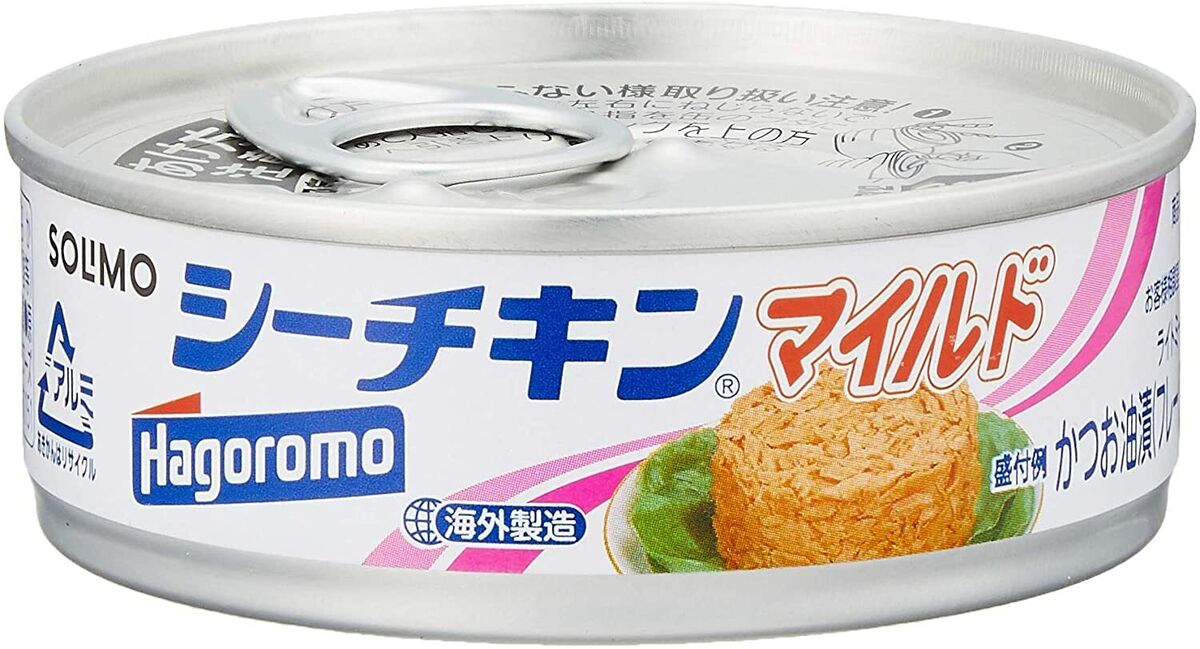
Photo: FIS Stockfile
'Binnaga or Bincho Maguro': The Albacore—The Best Canned Tuna
The Japanese name for albacore, binnaga, references the hair that grows from the temples, as its long fins resemble sidelocks. The lean akami meat is pale pink and frequently appears at conveyor belt sushi under the name bintoro. It is the second most-caught tuna in Japan, following yellowfin, and is sold at reasonable prices.
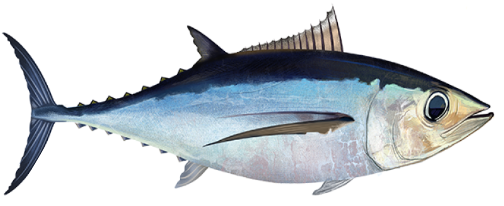
Photo: FIS Stockfile
Albacore is not only popular as sashimi but is also used in stews and fried dishes, and like yellowfin, is often found in cans.
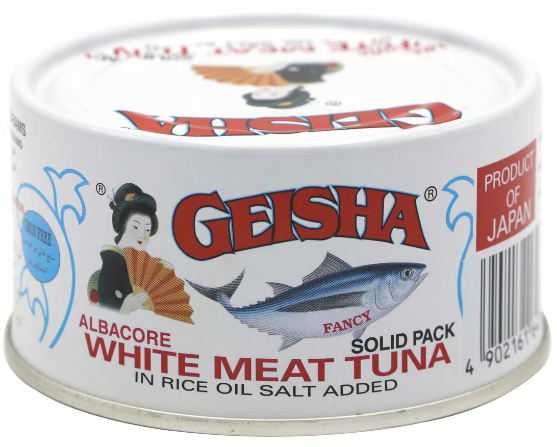
Photo: FIS Stockfile
Now that you have a better understanding of each tuna’s unique characteristics, you can confidently navigate the world of maguro and elevate your enjoyment of this delicious fish.
[email protected]
www.seafood.media
|





 Print
Print