|
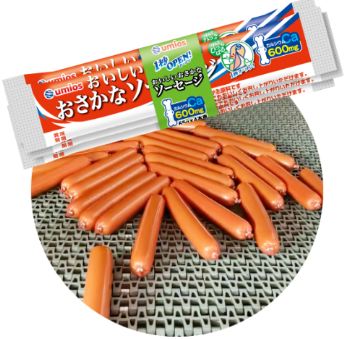
The fish sausage has ceased to be a simple, cheap post-war substitute and has evolved into a healthy high-protein snack
Umios Restructures Fish Sausage Prices in Japan Due to Global Surimi Supply Crisis
 JAPAN
JAPAN
Tuesday, June 23, 2026, 00:10 (GMT + 9)
Food corporation Umios—the new global identity of seafood giant Maruha Nichiro—has formalized a commercial price restructuring for its household fish sausage (魚肉ソーセージ, gyouniku sōseji) product line, implementing a direct price increase that will take effect in September 2026.
This measure, which will impact one of the most traditional products in the Japanese basic food basket, comes in response to an unprecedented structural imbalance in the international whitefish market that has destabilized the supply of its essential raw material: surimi (すり身).
Pollock Diversion to IQF Fillets Pressures Surimi Supply
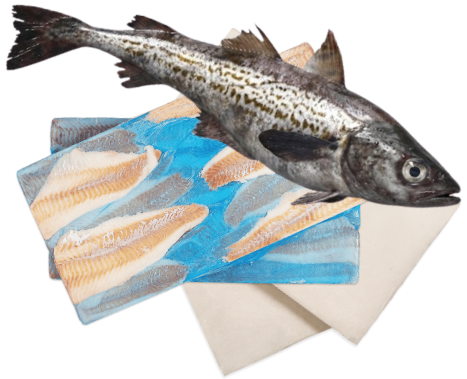
The root cause behind the lower availability of raw material for surimi originates thousands of miles away from Japanese processing plants. A drastic drop in the global supply of Atlantic cod (Gadus morhua), triggered by severe catch quota reductions in the North Sea and the Barents Sea, has spiked international demand for alternative whitefish for direct consumption.
Faced with this scenario, catcher-processors and fishing fleets focused on harvesting Alaska pollock (Theragra chalcogramma) in the North Pacific have drastically modified their offshore production strategies. A large portion of the catches historically destined for frozen surimi blocks is being redirected to the production of IQF (Individually Quick Frozen) fillets. The IQF fillet market currently offers more attractive commercial margins due to the cod shortage, which has generated a severe shortage of base surimi paste and a sustained increase in procurement costs for the processing industry in Asia.
An Icon of Japanese Gastronomy and Its Technical Evolution
The gyouniku sōseji is not a common processed food in Japan; it represents a milestone in post-war food innovation. Its commercial history began in the 1950s, a period when the Asian nation was searching for accessible and stable protein sources for a population in full economic reconstruction. While traditional pork or beef sausages were luxury items, the Japanese seafood industry developed an alternative using its abundant marine resources.
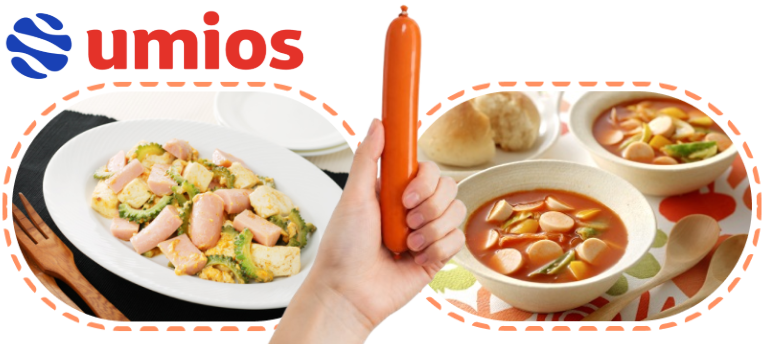
Photo: courtesy UMIOS / FIS
Unlike other traditional surimi-based products such as kamaboko (steamed fish cake) or chikuwa (tube-shaped grilled fish cake), the fish sausage was designed to emulate the flavor profile of Western charcuterie. To achieve this, the refined surimi paste is finely blended with vegetable oils, salt, selected spices, and seasonings.
The true success of the gyouniku sōseji lies in its preservation technology: the surimi emulsion is pressurized into a high-barrier synthetic plastic casing, hermetically sealed with aluminum clips at both ends, and subjected to a rigorous high-pressure thermal sterilization process. This technical method inactivates any microbial load without destroying the characteristic elasticity of the gelled fish proteins, allowing the product to be stored and distributed at room temperature for months, bypassing the cold chain entirely.
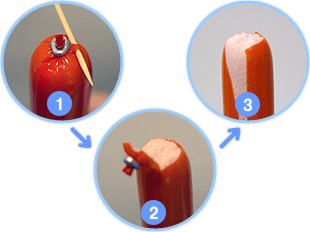
Photo: courtesy UMIOS
Market Outlook
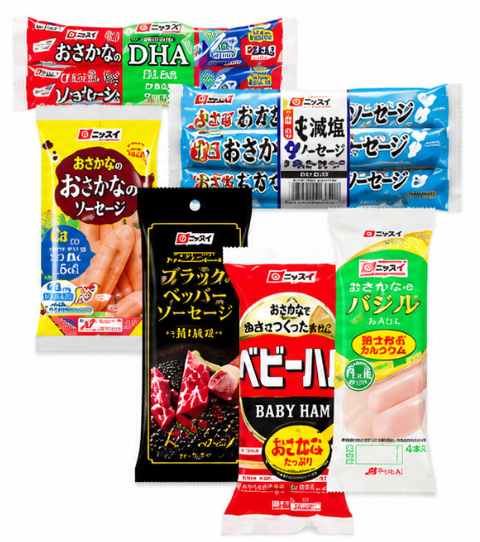
The decision by Umios exposes the vulnerability of mass consumption products in Japan to fluctuations in global extractive fisheries. The fish sausage has ceased to be a simple, cheap post-war substitute and has evolved into a healthy, high-protein snack with high logistical value due to its ambient stability.
<-- different options of the 'classic' Umio's sausage
Industry analysts predict that as long as Atlantic cod quotas remain at historic lows and the pressure on pollock for IQF fillets does not ease, surimi processors in Asia will continue to operate under a highly restrictive cost environment during the second half of 2026.
🇯🇵 日本語 (Japanese Version)
ウミオス、世界的なすり身供給危機により魚肉ソーセージを値上げ
東京 – 水産最大手マルハニチロの新グローバルアイデンティティである食品企業ウミオス(Umios)は、家庭用魚肉ソーセージの価格改定を正式に発表した。この措置は2026年9月から適用される。日本の家計の定番商品である同製品の値上げは、その必須原材料であるすり身の国際市場における前例のない構造的不均衡に対応したものである。
スケトウダラがIQFフィレーへシフト、すり身を圧迫
魚肉ソーセージの主原料であるすり身の供給不足の根本的な原因は、日本の加工工場から数千キロ離れた北半球の水域で発生している。北海およびバレンツ海におけるタラ(Gadus morhua)の漁獲枠が大幅に削減されたことで、世界的に代替となる白身魚の直接消費需要が急増した。
この状況を受け、北太平洋でスケトウダラ(Theragra chalcogramma)を漁獲するトロールミール船や漁船団は、洋上での生産戦略を劇的に変更している。従来、冷凍すり身ブロックに充てられていた漁獲量の大半が、個体急速冷凍(IQF)フィレーの生産へと振り向けられている。タラ不足により、現在IQFフィレー市場はより高い商業マージンを提供しており、これがアジアの加工業界向けすり身原料の深刻な不足と調達コストの高騰を招いている。
日本の食文化におけるアイコンと技術的進化
魚肉ソーセージは、日本における単なる加工食品ではなく、戦後の食品イノベーションの金字塔である。その商業的歴史は1950年代に始まった。当時、経済復興の途上にあった日本は、国民のために手頃で安定したタンパク質源を求めていた。従来の畜肉ソーセージが高級品であった時代に、日本の水産業界は豊富な海洋資源を活用してこの代替品を開発した。
カマボコ(蒸し蒲鉾)やチクワ(焼き竹輪)といった伝統的なすり身製品とは異なり、魚肉ソーセージは欧米のソーセージの風味を再現するように設計された。これを実現するため、精製されたすり身に植物油、塩、厳選されたスパイス、調味料が微細に混合される。
魚肉ソーセージの本当の成功は、その保存技術にある。すり身の乳化物は高バリア性の合成プラスチックフィルムに圧入され、両端をアルミニウムクリップで強力に密封(シール)された後、高温高圧による厳格なレトルト殺菌(殺菌釜)工程に付される。この技術的手法により、ゲル化した魚タンパク質の弾力特性を損なうことなく微生物を完全に不活性化し、コールドチェーンを一切必要とせずに常温で数ヶ月間の保管・流通を可能にしている。
市場展望
ウミオスの決断は、世界的な漁業生産の変動に対する日本の大衆消費製品の脆弱性を露呈している。魚肉ソーセージは、戦後の単なる安価な代用品から、健康、高タンパク質、そして環境安定性による物流価値の高いスナックへと進化を遂げた。
業界アナリストは、大西洋北部のタラ漁獲枠が歴史的低水準に留まり、IQFフィレーへのシフト圧力が続く限り、アジアのすり身加工業者は2026年後半を通じて極めて厳しいコスト環境下での操業を余儀なくされると予測している。
🇨🇳 简体中文 (Simplified Chinese Version)
由于全球鱼糜供应危机,Umios 调整日本鱼肉香肠价格
东京 – 食品巨头Umios——海洋水产巨头玛鲁哈日鲁(Maruha Nichiro)的全新全球品牌身份——已正式宣布对其家庭用鱼肉香肠(魚肉ソーセージ, gyouniku sōseji)产品线进行商业价格结构调整,直接涨价将于2026年9月起正式生效。这一将影响日本家庭基本食品篮中最传统产品的举措,是对国际白肉鱼市场前所未有的结构性失衡做出的反应,这种失衡已经动摇了其核心原材料鱼糜(すり身)的供应。
狭鳕转向 IQF 鱼片,加剧鱼糜供应压力
鱼糜原料可用性下降 consultation 的根本原因源于距离日本加工厂数千英里之外的北半球海域。由于北海和巴伦茨海的大西洋真鳕(Gadus morhua)捕捞配额大幅削减,导致全球直接消费替代白肉鱼的需求激增。
面对这一局面,集中在北太平洋捕捞阿拉斯加狭鳕(Theragra chalcogramma)的工厂船和捕捞船队已彻底改变了其海上生产策略。历史上原本用于加工冷冻鱼糜块的大部分捕捞量,正被重新定向用于生产单冻(IQF,单体快速冷冻)鱼片。由于真鳕短缺,目前IQF鱼片市场提供了更具吸引力的商业利润,这导致亚洲加工业的基础鱼糜浆严重短缺,采购成本持续飙升。
日本美食的标志及其技术演变
鱼肉香肠(gyouniku sōseji)在日本并非普通的加工食品,它代表了战后食品创新的里程碑。其商业历史始于2020世纪50年代,当时这个亚洲国家正在为处于经济重建中的国民寻找经济实惠且稳定的蛋白质来源。在传统猪肉或牛肉香肠还是奢侈品的时代,日本水产业利用其丰富的海洋资源开发出了一种替代品。
与蒲鉾(kamaboko,蒸鱼糕)或竹轮(chikuwa,管状烤鱼糕)等其他传统鱼糜制品不同,鱼肉香肠的设计旨在模仿西方熏腊肉制品的风味特征。为了实现这一目标,精制鱼糜浆与植物油、盐、精选香料和调味料进行了精细混合。
鱼肉香肠的真正成功在于其保鲜技术:鱼糜乳化浆被压力注入高阻隔合成塑料肠衣中,两端用铝扣进行气密性密封,并接受严格的高压热灭菌程序。这种技术方法可在不破坏凝胶化鱼肉蛋白质特有的弹性特征的情况下灭活任何微生物负载,使产品可在室温下储存和分销数月,完全摆脱了冷链的限制。
市场展望
Umios的这一决定暴露了日本大众消费产品在全球捕捞渔业波动面前的脆弱性。鱼肉香肠已经不再是战后简单的廉价替代品,而是演变成一种健康、高蛋白、且因其常温稳定性而具有极高物流价值的休闲食品。
行业分析师预测,只要北大西洋真鳕配额保持在历史低位,且狭鳕转向IQF鱼片的压力不减,亚洲的鱼糜加工商在2026年下半年将继续在高度受限的成本环境下运营。
[email protected]
www.seafood.media
|





 Print
Print