Government reforms, port upgrades, and aquaculture investments aim to balance growth with marine sustainability
TUNIS — Tunisia is ramping up efforts to transform its fisheries and aquaculture sector into a cornerstone of sustainable economic growth, unveiling a series of reforms and investments worth millions of dollars to modernize infrastructure, protect marine resources, and boost production.
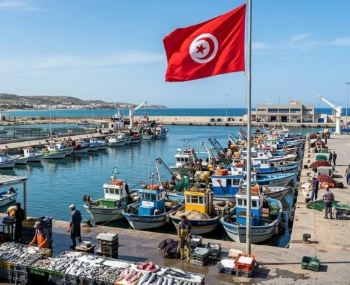
Photo: Worldbank
The sector, a key pillar of the national economy, supports thousands of jobs, strengthens food security, and contributes to export revenues. However, increasing pressure on fish stocks—particularly from overexploitation—has pushed authorities to act decisively.
To address these challenges, the government has allocated investment grants totaling approximately 7.7 million Tunisian dinars (about $2.5 million USD) to encourage new projects and expand production capacity.
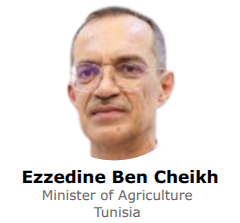
Speaking during a dialogue session at the National Council of Regions and Districts, Minister of Agriculture Ezzedine Ben Cheikh highlighted ongoing efforts to modernize production systems, upgrade port infrastructure, and enhance monitoring mechanisms. He also emphasized the growing importance of aquaculture as a sustainable solution to meet rising seafood demand.
Meanwhile, Prime Minister Sara Zaafrani Zenzri, presenting the 2026 Finance Bill in November 2025, confirmed that the government plans to allocate 119 million dinars (around $38 million USD) to support development programs in the sector. These include fuel subsidies for fishing vessels and expansion projects for several ports.
According to the minister, these initiatives form part of a broader national strategy aimed at balancing economic exploitation with environmental protection. The plan includes upgrading landing facilities, modernizing wholesale seafood markets, and improving product quality and competitiveness both domestically and internationally.
Reforms Target Illegal Fishing and Strengthen Oversight
In 2025, Tunisia introduced significant regulatory reforms, including a review of the legal framework governing fisheries. The new measures impose stricter penalties on illegal and excessive fishing practices to safeguard marine biodiversity.
Photo: Worldbank
Monitoring has also been reinforced through satellite tracking systems now installed on more than 90% of fishing vessels longer than 15 metres, significantly improving surveillance and reducing violations.
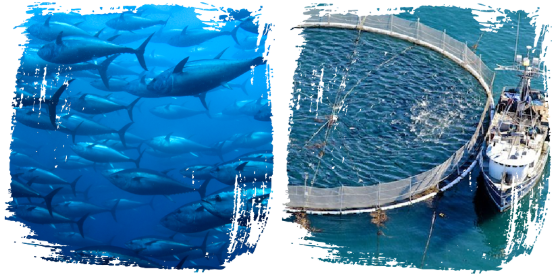
Authorities have further regulated high-value activities such as bluefin tuna fishing and fattening, expanded quota allocations, and introduced new rules for recreational fishing under a ministerial decree issued in April 2025.
At the same time, work has begun on a national master plan for marine aquaculture development, part of a broader initiative to ensure sustainable management of fisheries resources.
Ports, Research, and Aquaculture at the Heart of Growth Strategy
Looking ahead, Tunisia is prioritizing investment in port infrastructure and scientific innovation. Plans include the rehabilitation of the Sfax fishing port and development projects in key coastal hubs such as Kelibia, Teboulba, Kalaat El Andalous, Mahdia, Zarat, and Sayada.
A major expansion project is already underway at the Menzel Abderrahmane fishing port, with an estimated cost of 24 million dinars (approximately $7.7 million USD).
The government is also boosting aquaculture by promoting local production inputs, introducing new species and technologies, and supporting scientific research to enhance competitiveness.
To sustain fishing activity—especially among small-scale operators—the state continues to provide fuel subsidies valued at 82 million dinars (around $26 million USD).
Officials say these combined efforts reflect Tunisia’s long-term vision of building a resilient blue economy—one that not only drives growth but also ensures the sustainable use of marine resources through stronger regional and Mediterranean cooperation.
Opinion Article: Fishing in an Age of Barbarity Argentina
An Informe Técnico (Technical Report) is already circulating that violates the fishing law but seeks to justify the transfer of CITC (Individual Transferable Catch Quotas) from fresh-fish vesse...







 To address these challenges, the government has allocated investment grants totaling approximately 7.7 million Tunisian dinars (about $2.5 million USD) to encourage new projects and expand production capacity.
 Meanwhile, Prime Minister Sara Zaafrani Zenzri, presenting the 2026 Finance Bill in November 2025, confirmed that the government plans to allocate 119 million dinars (around $38 million USD) to support development programs in the sector. These include fuel subsidies for fishing vessels and expansion projects for several ports.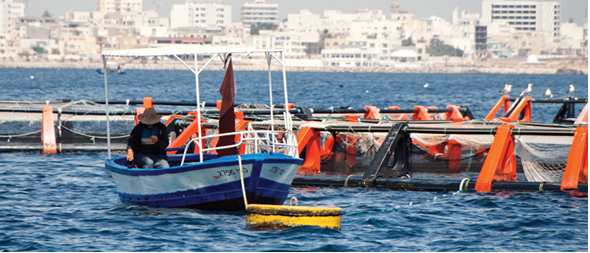
 Print
Print