|
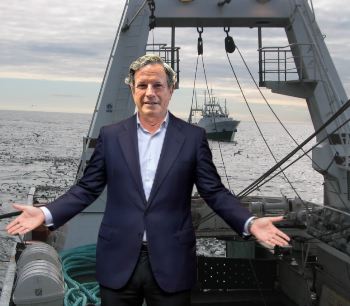
Not too bad, as Javier Garat, Secretary General of CEPESCA, said: 'maintaining the current days and without new measures is a very relevant result'
CEPESCA Classifies TAC and Quota Agreement for 2026 as 'Best Possible Result' Despite Adverse Negotiating Context
 SPAIN
SPAIN
Monday, December 15, 2025, 00:20 (GMT + 9)
Maintenance of fishing days in the Mediterranean and mixed results in the Atlantic. The sector highlights Commissioner Kadis's commitment to regulatory reform.
Madrid – The Spanish Fisheries Confederation (CEPESCA), which represents the Spanish fishing sector, has assessed the agreement reached early Tuesday morning in Brussels by the European Union Council of Fisheries Ministers on the Total Allowable Catches (TAC) and quotas for 2026. CEPESCA considers this agreement to be the best possible result for the Spanish fleet, especially in the Mediterranean, given the "very adverse" negotiating context and the "especially restrictive" initial proposals from the European Commission.
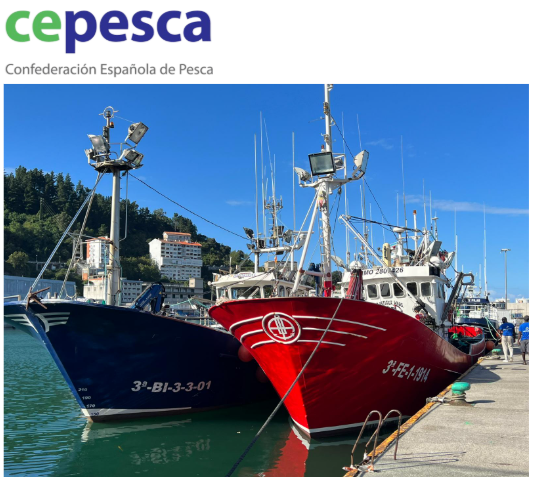
Photo: OPPAO Ondarroa/CEPESCA
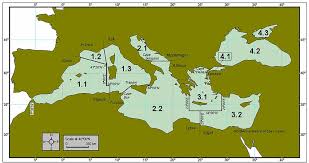
Mediterranean: A "Relief" and Provisional Stability
The sector welcomes it as a "relief" that the situation in the Mediterranean has not deteriorated, allowing the maintenance of the same activity level as in 2025, with 143 fishing days and without the imposition of new additional measures. This result, according to CEPESCA, provides provisional stability after several years of accumulated adjustments that have had a significant impact on the economic viability of the fleet.
-
Fishing opportunities for red shrimp are maintained at 708.3 tonnes.
-
The Secretary General of Cepesca, Javier Garat, indicated that maintaining the current days without new measures is a "very relevant" result given the circumstances.
-
CEPESCA highlights the significance of the public commitment by the EU Commissioner for Fisheries and Oceans, Costas Kadis, to review the multiannual Regulation for demersal fisheries in the Western Mediterranean, a framework that the sector believes requires adjustments.
Atlantic: Mixed Results with Key Increases and Cuts
In the Atlantic, the agreement presents mixed results. CEPESCA emphasizes the TAC increases in fisheries of high interest:
-
Anchovy in the Gulf of Cádiz: +60%.
-
Anchovy in the Bay of Biscay/Northwest: +8%.
-
Bluefin Tuna: An increase that will allow Spain to have an additional 1,155 tonnes, reaching a total of 7,938 tonnes.
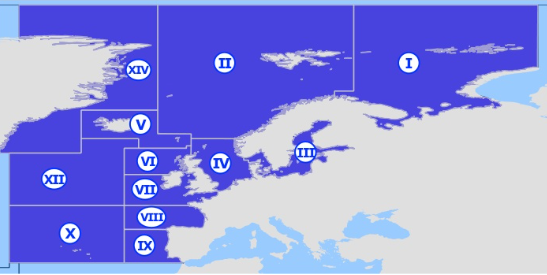
However, the sector warns of the impact of certain reductions, such as the cut of around 50% for Norway lobster in the Gulf of Cádiz, although they value the joint declaration by the European Commission and Spain that includes a new scientific study to review the stock and adjust quotas accordingly.
Other initial reduction proposals were moderated:
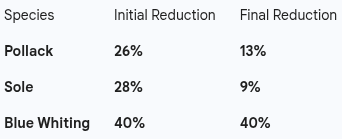
The situation of mackerel requires special attention, as its management depends on negotiations between the EU and coastal states (including Norway, the United Kingdom, and the Faroe Islands). Due to the lack of agreement and the anticipated 70% reduction, a provisional TAC has been established, applicable from January 1 to June 30.
Gratitude and Regret in the Indian Ocean

Cepesca thanks the Spanish negotiating team, led by the Minister of Agriculture, Fisheries and Food, Luis Planas, and the Danish Presidency of the Council.
On the other hand, Cepesca's tuna fleet regrets being used as a "bargaining chip" in the Indian Ocean listing, resulting in a distribution more beneficial to France at the expense of Spain.
[email protected]
www.seafood.media
|





 Print
Print