|
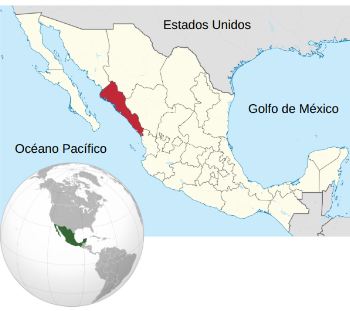
The Free and Sovereign State of Sinaloa), is one of the 31 states which, along with Mexico City, compose the Federal Entities of Mexico
Farmed Shrimp Faces Contraband from Ecuador and Market Challenges
 MEXICO
Wednesday, July 30, 2025, 00:10 (GMT + 9)
Despite expectations of producing over 50,000 metric tons of farmed shrimp in the first cycle, Sinaloa's aquaculture producers are grappling with falling prices, diseases, and unfair competition from contraband.
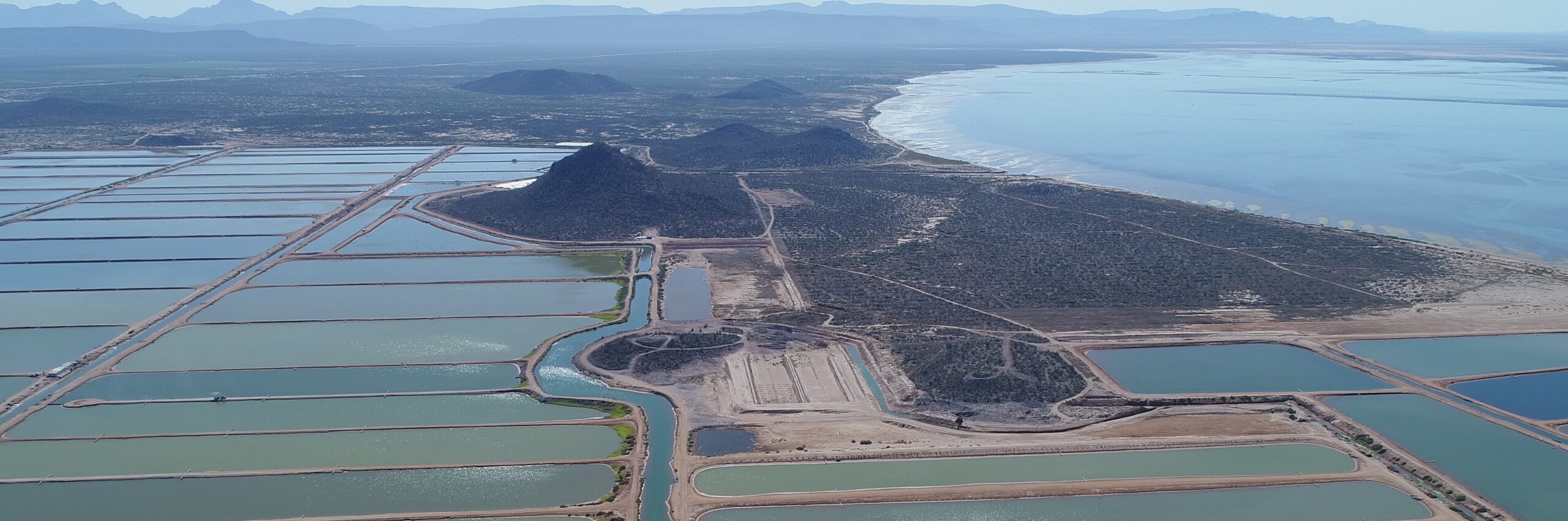
MAZATLÁN, Sinaloa – The first harvest cycle for shrimp farms in Sinaloa is nearing its end, with expectations of reaching a production of 50,000 metric tons of farmed shrimp. While reseeding for the second cycle is already 40 percent complete, producers are struggling to secure enough income to cover their investments in a complex market, as reported by Marimar Toledo for El Sol de Mazatlán.
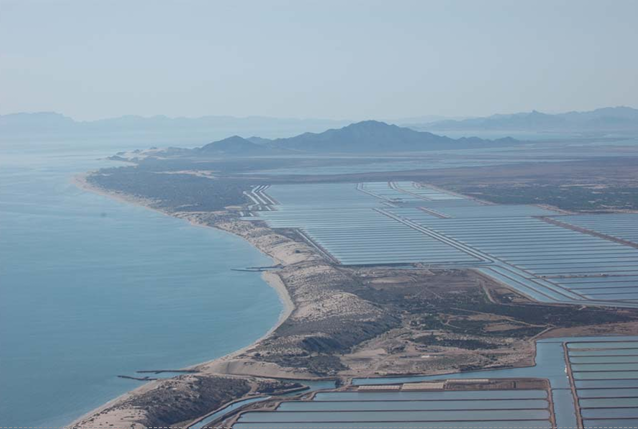
The neighboring state of Sonora, with 900 production units and 70,000 hectares (approximately 173,000 acres) of water surface, reports a 97% advance in its harvests, reflecting regional efforts.
Production Expectations and Market Challenges
 FIS seafood Media(1).png)
The president of the Confederation of Aquaculture Organizations of the State of Sinaloa (Coades) revealed that over 30,000 metric tons of farmed shrimp have been harvested to date. The goal is to reach 50,000 metric tons by mid-August, when the first planting cycle concludes.
"We could say that, in general, Sinaloa closes its first cycle with around 50,000 tons; right now, we should be above 30,000," stated the Coades representative. However, he warned that "this production, of course, far exceeds seasonal consumption... the market cannot absorb it." This local oversupply directly impacts prices.
Urías Espinoza of Coades indicated that, given the current conditions of this activity, most aquaculturists are opting for a single cycle. Nevertheless, others who are betting on a second period have already begun reseeding in several Sinaloa farms, with significant progress in the southern zone, which has already completed its first harvest.
Contraband and Falling Prices: The Battle for Profitability
Aquaculture producers denounce that unfair competition and falling prices are growing obstacles. Despite the import of Ecuadorian shrimp being prohibited since 2024, contraband persists due to Mexico's "very lax" customs controls.
"Former President Andrés Manuel López Obrador prohibited the import of Ecuadorian shrimp, but it still gets in... law enforcement is needed... those operating in customs simply haven't cared," Espinoza expressed. The influx of cheaper, smuggled shrimp floods the market, causing a drastic drop in prices. From June to July 20 alone, the price per kilogram has decreased by approximately $2.78 USD (50 Mexican pesos), leading producers to operate at a loss.
.png)
"They've put us back into a losing position because they're using smuggled shrimp from Ecuador as a backup," Espinoza lamented, adding that the cancellation of federal support for commercial aquaculture exacerbates the situation.
Sanitary Challenges: Diseases and Low Survival Rates
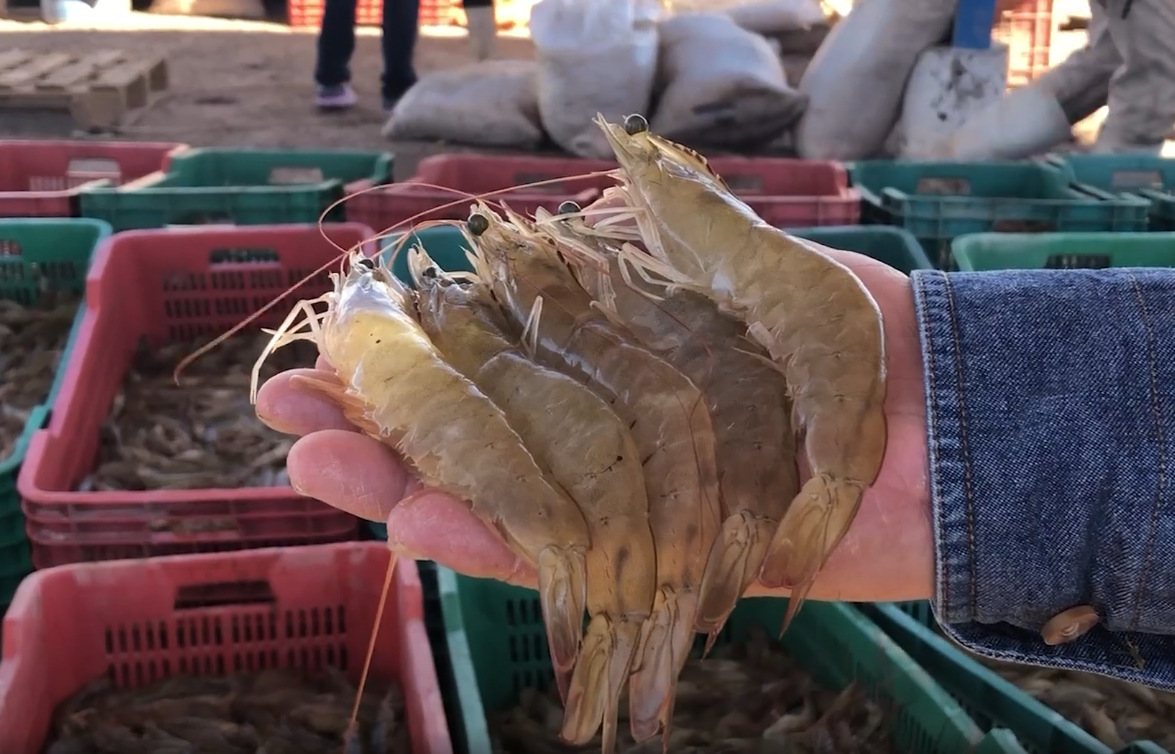
In addition to market problems, Sinaloa continues to struggle with low survival rates for farmed shrimp due to the prevalence of diseases. Producers report an average survival rate of 50 percent, affected by both existing and emerging pathogens.
"We are battling with existing diseases, and we are finding new pathogens," pointed out an aquaculture producer. He recalled that since 2013, when Early Mortality Syndrome arrived, survival rates have not exceeded 50 percent, especially in southern Sinaloa and Nayarit.
Related News:
[email protected]
www.seafood.media
|





 Print
Print