|
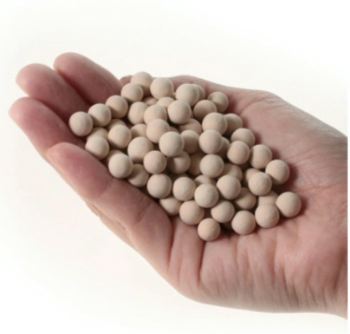
Round zeolite granules for aquaculture are a superior solution for promoting the health and growth of aquatic animals in aquarium or aquaculture setup
Benefits of Zeolite in Aquaculture: Uses and Application Methods
 INDIA
INDIA
Monday, May 01, 2023, 00:50 (GMT + 9)
This naturally occurring mineral has been gaining popularity in the aquaculture industry for its ability to remove ammonia, regulate pH levels, and even provide essential micro-nutrients for aquatic life. Zeolite helps balance pH levels in aquaculture systems by buffering against sudden changes. Fluctuations in pH can be stressful for aquatic organisms, leading to illness or death. Zeolite stabilizes pH levels and creates a more stable environment for fish or aquatic animals.
What is Zeolite?
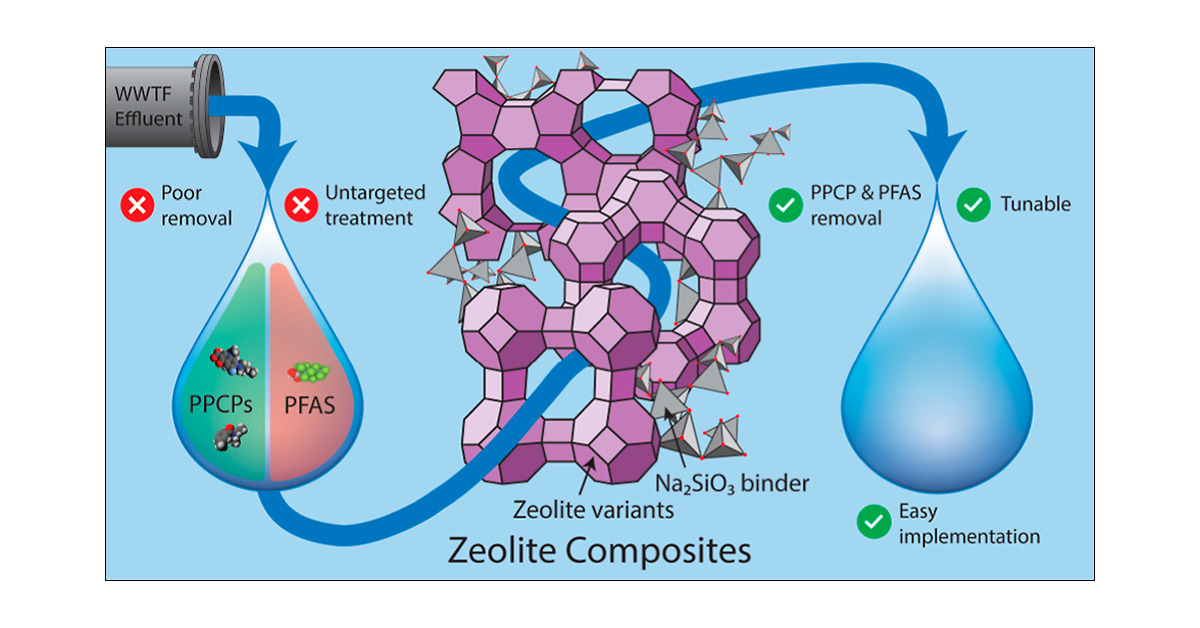
Zeolite is a naturally occurring mineral used for various applications, including aquaculture. It consists of a porous structure of aluminum, silicon, and oxygen atoms that form tiny cages capable of trapping molecules inside them. This unique structure gives Zeolite its amazing adsorption properties. Zeolite’s natural occurrence and unique physical properties make it an excellent choice for use in aquaculture, as it helps improve water quality while maintaining the ecological balance in fish farms.
How Does Zeolite Work in Aquaculture?
Zeolite has become a popular choice for improving water quality in aquaculture systems. Zeolite acts as a filter media by attracting and trapping ammonia, nitrate, and other pollutants when added to aquaculture. This process occurs through ion exchange and adsorption mechanisms. Essentially, the negatively charged surface of Zeolite attracts positively charged ions such as ammonium and replaces them with sodium or calcium ions.
As more pollutants are attracted to the zeolite particles, they become saturated with nitrogen compounds which can then be removed from the system through regular cleaning or replacement. The best part about using Zeolite is that it is easy and simple. Add the required amount of this natural mineral substance into your pond filter, which will work its magic by selectively adsorbing harmful pollutants from the water.
Moreover, Zeolites provide micro-nutrients essential for aquatic plants’ growth and development while suppressing algae blooms that compete with fish for oxygen and nutrients. This results in healthy plant growth and ensures a sufficient oxygen supply for fish. Zeolites are vital in closed-system fish tanks as they maintain water quality parameters while reducing water consumption. Therefore, if you’re looking for a reliable way to improve your aquaculture system’s performance while keeping your aquatic animals safe, consider incorporating Zeolite into your filtration process.
Zeolites are also efficient at adsorbing odors, bacteria, suspended solids, waste products, and organic matter from the water column, effectively resulting in clearer waters that enhance light penetration through the surface, thus promoting photosynthesis among aquatic plants. Zeolites are an excellent choice for those who want a low-maintenance or highly effective natural solution to improve their aquarium or pond environment.
How to Use Zeolite as a Filter Media in Aquaculture?
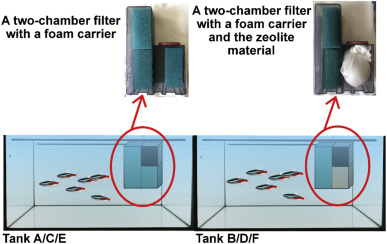
Zeolite, as a filter media, should be placed in a mesh bag or container and submerged in the water. The recommended placement of Zeolite is between the mechanical filter (such as sponge filters) and biological filters (such as biofilters) so that it can efficiently capture particles before they reach the biological filters.
It’s important to note that Zeolite needs to be replaced periodically since its absorption capacity decreases over time. Generally, replacing Zeolite every four to six months is recommended depending on the level of pollutants in the tank or pond.
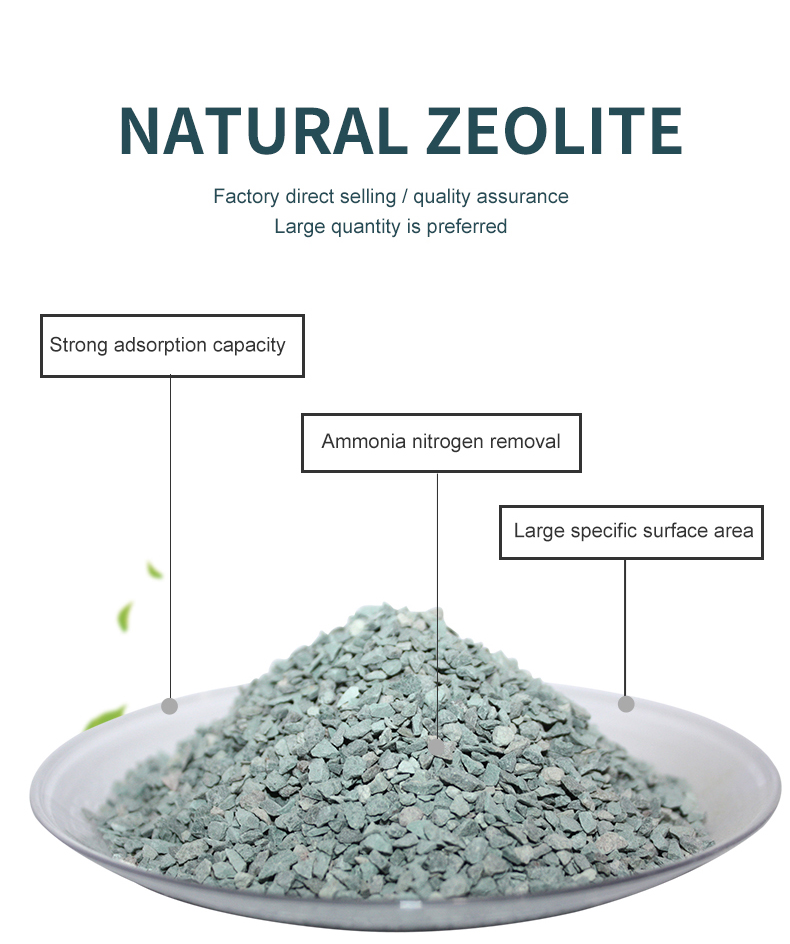 Zeolite can benefit fish health by removing harmful ammonia and heavy metals from the water, leading to a cleaner and more stable environment for them to thrive. Of course, as with any new addition to your pond management routine, it’s still important to follow recommended dosage rates and monitor your water quality regularly. But overall, Zeolite can be a safe and effective tool for maintaining healthy fish populations in your aquaculture system. Zeolite can benefit fish health by removing harmful ammonia and heavy metals from the water, leading to a cleaner and more stable environment for them to thrive. Of course, as with any new addition to your pond management routine, it’s still important to follow recommended dosage rates and monitor your water quality regularly. But overall, Zeolite can be a safe and effective tool for maintaining healthy fish populations in your aquaculture system.
The function of Zeolite in aquaculture
Zeolite’s unique structure allows it to absorb and trap harmful substances like ammonia, nitrite, and heavy metals from the water. In addition to absorbing pollutants, Zeolite also helps promote the growth of beneficial bacteria in fish ponds. These microorganisms play an important role in breaking down organic matter into nutrients that fish can use as food. Zeolite indirectly supports healthy fish growth by creating a hospitable environment for these bacteria.
Another function of Zeolite in aquaculture is its ability to stabilize pH levels in the water. Fluctuations in pH can negatively impact fish health and stress them out. Regularly using Zeolite allows pond owners to maintain stable pH levels within their ponds.
The functions of Zeolite make it an excellent tool for improving water quality and promoting healthy aquatic life in both commercial and residential settings.
What is the Role of Zeolite in Aquaculture?
One of the primary roles of Zeolite in aquaculture is as a water filtration and purification agent. Zeolite’s porous structure allows it to trap impurities, toxins, and heavy metals from water, making it an ideal substrate for biological filters.
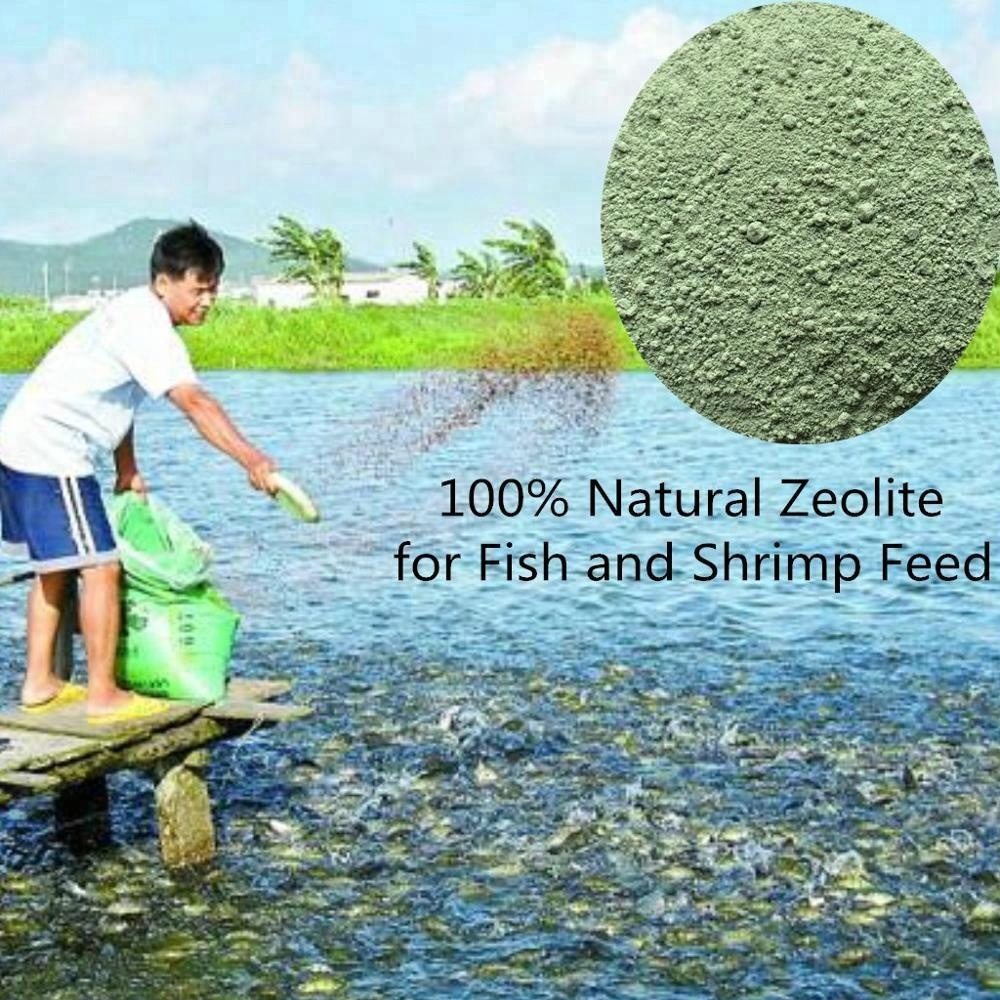 Another important role of Zeolite in aquaculture is as a pH stabilizer. Due to its natural buffering capacity, adding Zeolite to fish ponds or tanks can help maintain optimal pH levels for aquatic life. Another important role of Zeolite in aquaculture is as a pH stabilizer. Due to its natural buffering capacity, adding Zeolite to fish ponds or tanks can help maintain optimal pH levels for aquatic life.
Furthermore, Zeolites are also used as feed additives for fish and shrimp farming. They bind with ammonia aquatic animals produce during digestion, reducing stress on their respiratory systems while enhancing nutrient absorption.
In addition to removing harmful contaminants like ammonia, Zeolite can also help regulate the pH level of pond water by buffering acidic or alkaline conditions. Zeolites can play a critical role in managing waste generated by aquaculture operations by removing suspended solids, bacteria, and other organic matter from pond water.
Conclusion
Zeolite has become increasingly popular as a natural way to improve water quality in aquaculture systems. Its mineral consists of complex aluminosilicate compounds with a unique porous structure. This structure allows it to adsorb and exchange cations, which makes it an effective filtration material. Zeolite can help maintain water quality in aquaculture systems by removing harmful substances from the water column. This helps keep fish healthy and promotes optimal growth rates.
Source: agrifarming.in
[email protected]
www.seafood.media
|





 Print
Print