|
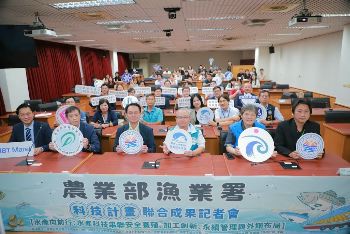
The Fisheries Agency of the Ministry of Agriculture and National Kaohsiung University of Science and Technology held a joint results presentation
Taiwan Advances Automation and Standardization in Aquaculture Industry
 TAIWAN
Friday, October 16, 2026, 04:00 (GMT + 9)
National Kaohsiung University of Science and Technology and Fisheries Agency promote smart processing, food safety, and marine byproduct utilization to strengthen international competitiveness
Taiwan is accelerating the technological overhaul of its aquaculture industry through strategic initiatives that integrate industrial automation, rigorous sanitary control, environmental sustainability, and value-added product development tailored for international markets. The initiative addresses the operational need to improve the competitiveness of farmers and processors amidst increasingly stringent overseas sanitary standards, acute labor shortages, and emerging risks associated with climate change.
On October 12, 2026, the National Kaohsiung University of Science and Technology (NKUST) showcased the outcomes of multiple technical development projects executed throughout 2026, supported by the Fisheries Agency of the Ministry of Agriculture alongside other public bodies. The coordinated programs encompass the entire value chain, ranging from on-farm aquaculture management to industrial manufacturing and global seafood distribution.
.jpg)
Ye Jinxiong, Deputy Director of the Planning Group of the Fisheries Agency of the Ministry of Agriculture, delivered a speech to introduce the distinguished guests present.
Industrial Transformation and Facility Automation
A primary pillar of the program involves the phased implementation of smart systems within aquatic processing plants. The operational framework designed by NKUST establishes a structured roadmap across four phases: process standardization, mechanization, automated processing, and smart digitalization.
The deployment included practical training sessions and pilot demonstrations across five processing facilities, coupled with the compilation of a dedicated technical guide to facilitate the adoption of automated machinery, artificial intelligence tools, and efficiency diagnostic systems. The objective is to enable individual enterprises to align technological investments with their facility scale, target species requirements, and export market specifications.
Furthermore, the initiative addresses persistent structural hurdles in Taiwan's domestic sector, notably an aging workforce and a shortage of specialized technical personnel. Process standardization is intended to capture and preserve vital processing expertise historically transmitted through the informal experience of veteran staff.
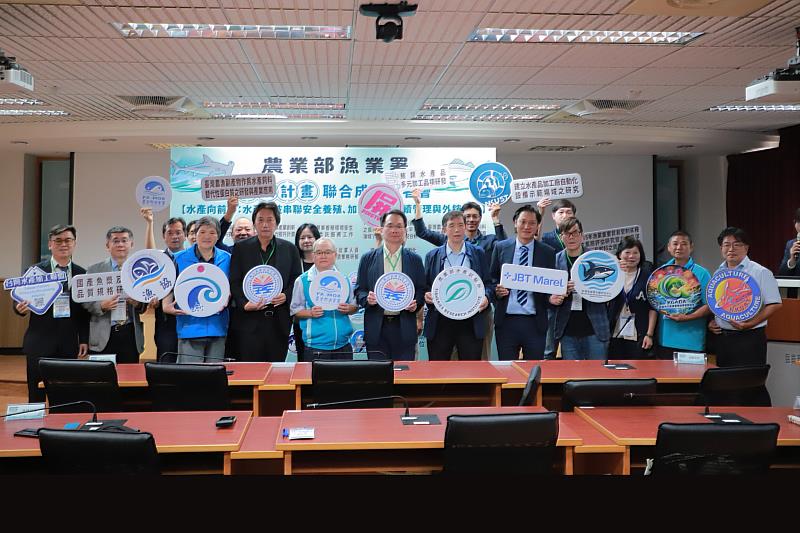
The guests took a group photo and participated in exchange activities on aquatic-related achievements.
Food Safety Management and Quality Verification
In terms of farming operations, specialized advisory teams carried out 46 on-site technical interventions across aquaculture farms, focusing on comprehensive biosecurity, water quality monitoring, feed management, and residue surveillance.
According to reported analytical data, 17 benthic sediment tests yielded non-detectable contamination readings, while an additional 11 evaluations showed residue concentration reductions exceeding 50% compared to baseline parameters. Furthermore, technical personnel completed 13 inspections across hatchery and fry rearing facilities.
Concurrently, researchers sampled and analyzed 80 raw material batches sourced from 28 suppliers of surimi and value-added seafood products. Comprehensive testing evaluated parameters such as moisture levels, pH, chromatic profiles, whiteness ratings, and gel strength. These technical benchmarks provide quantitative baselines designed to guide future industrial specifications, quality certification systems, and product uniformity required by global buyers.
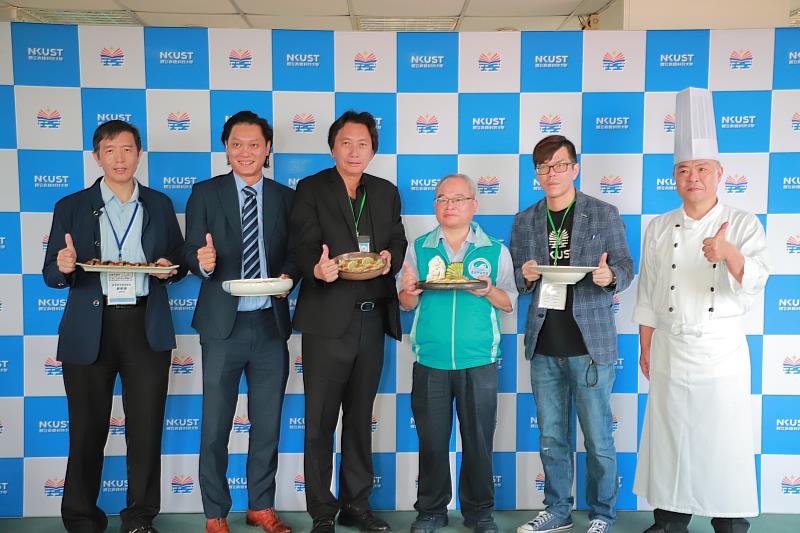
The guests pose for a photo with Chef Hanlai (first from right), showcasing the culinary applications of aquatic ingredients.
Byproduct Valorization and Circular Economy
The research program also prioritizes commercial pathways for lower-yield raw materials. Notable developments include specialized prototypes derived from tuna (Thunnus spp.) processing byproducts, targeting high-grade ingredients for formulated animal feeds and functional minced fish pastes.
In parallel, scientific teams are evaluating alternative protein recovery through controlled biological processing and fermentation of marine and agricultural residuals. These efforts aim to optimize the recoverable biomass value per unit landed and substantially minimize processing waste streams.
Commercial Market Intelligence and Scale Challenges
The broader strategy incorporates trade and market intelligence assessments covering priority aquaculture species for Taiwan, including barramundi (Lates calcarifer), grouper (Epinephelinae), tilapia (Oreochromis niloticus), and milkfish (Chanos chanos). Research teams evaluated consumption behaviors, pricing patterns, logistics networks, and regulatory entry protocols across major commercial hubs in Asia, the Americas, and Europe, encompassing sanitary registrations, facility licensing, package formats, and institutional labeling mandates.
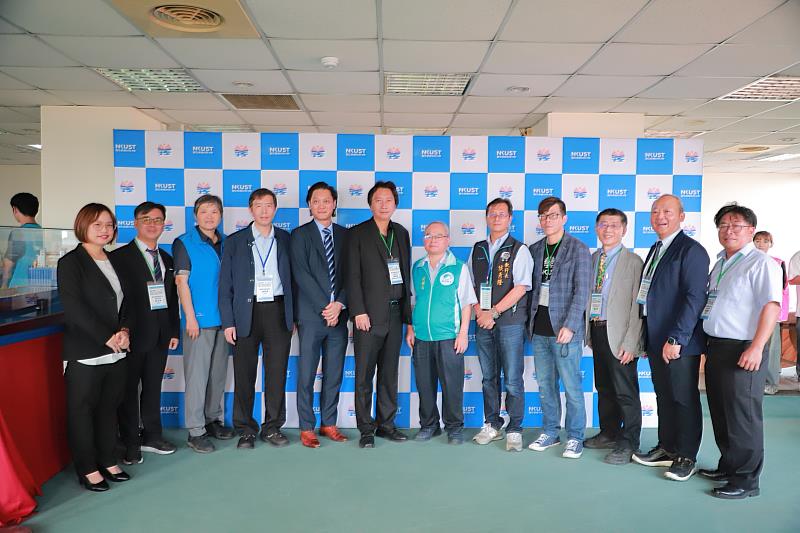
Group photo of Yeh Chin-hsiung, Deputy Group Leader of the Fisheries Agency, Ministry of Agriculture (6th from right), Tseng Chen-te, Deputy Director of the Fisheries Research Institute (4th from left), and the project leaders.
While these milestones provide technical foundations to enhance export readiness, reported outcomes primarily represent applied scientific research, technical assistance, and pilot demonstrations. Formal commercial off-take agreements or committed private capital investments have not yet materialized from these presentations. The critical next phase requires scaling these pilot methodologies into commercial-scale processing environments to evaluate real-world production costs, throughput productivity, and operational access to competitive international markets.
🇯🇵 日本語 (Japanese Version) | AIによる自動翻訳
台湾、水産養殖業の自動化および標準化を推進
国立高雄科技大学と漁業署、国際競争力強化に向けたスマート加工・食品安全・未利用副産物活用技術を発表
台湾は、産業自動化、厳格な品質管理、持続可能性、および輸出向け高付加価値製品の開発を統合した戦略的プログラムを通じ、水産養殖業の近代化を加速させています。この取り組みは、国際的な衛生基準の厳格化、現場の労働力不足、そして気候変動に伴う生産リスクに直面する養殖業者および加工業者の競争力向上を目的としています。
2026年10月12日、国立高雄科技大学(NKUST)は、農業部漁業署および関連公的機関の支援を受け、2026年を通じて実施された複数の技術開発プロジェクトの成果を発表しました。事業領域は、養殖現場の生産管理から工業的加工処理、そして水産物の国際流通に至るまで多岐にわたります。
自動化の進展と加工拠点の構造転換
本計画の主要な柱の一つは、水産加工場へのスマート技術の段階的導入です。NKUSTが提示する転換モデルは、工程標準化、機械化、自動化、スマートデジタル化の4段階から構成されています。
プログラム期間中、5カ所の加工施設において実証実験および技術講習が実施され、自動化機器、人工知能(AI)、および生産性評価システムの導入を円滑化するための技術指針(マニュアル)が整備されました。各企業が施設規模、処理対象魚種の特性、および輸出先市場の要件に応じて設備投資を最適化できる枠組みを目指しています。
さらに、本イニシアチブは業界が直面する構造的課題、すなわち熟練技術者の不足と就業者層の高齢化に対応しています。作業工程を標準化することにより、従来は現場作業員の長年の勘や経験に依存して伝承されてきた専門技術を体系的に保存・活用することが可能となります。
食品安全基準と品質管理体制の高度化
養殖現場への技術支援事業では、衛生管理、水質モニタリング、給餌適正化、および残留物質監視に重点を置いた46件の現地介入が実施されました。
発表された測定データによると、底質土壌における17件の検査で残留物質が検出限界値未満(不検出)となり、他の11件の測定においても初期値と比較して50%以上の残留濃度低減が確認されました。また、種苗生産施設に対する現地立ち入り検査および指導が13回実施されました。
同時に、研究陣はすり身および水産練り製品サプライヤー28社から採取した80ロットの原料検体を分析しました。水分含有率、pH、色調、白度、ゲル強度(足)などの主要指標を詳細に測定・評価し、将来的な工業規格の策定、公的認証制度の確立、および国際バイヤーが要求する均一な品質保証のための技術基盤を構築しました。
水産副産物の有効利用とサーキュラーエコノミー
本研究では、従来十分に活用されてこなかった未利用原料の商業的用途開発も進められています。主な成果として、マグロ(Thunnus spp.)加工残渣を活用した高付加価値プロトタイプが開発され、動物用配合飼料原料や特殊魚肉練り製品への応用が進められています。
並行して、水産加工残渣や農業廃棄物の生物学的処理および発酵プロセスを通じた代替タンパク質の抽出・精製に関する研究も推進されています。これらの技術開発は、水揚バイオマスの回収価値を高めるとともに、製造工程における残渣排出量を最小限に抑えることを目的としています。
海外市場展開に向けた課題と規模化への展望
全体戦略には、台湾の水産養殖における重要魚種であるバラマンディ(Lates calcarifer)、ハタ(Epinephelinae)、ティラピア(Oreochromis niloticus)、サバヒー(Chanos chanos)を対象とした国際市場調査が含まれています。アジア、米州、欧州の主要市場における消費動向、価格推移、流通チャネル、輸入規制プロトコルを網羅的に分析し、衛生基準、対外輸出施設登録、適正包装、製品仕様に関する提言を策定しました。
これらの成果は輸出競争力強化に向けた強固な基盤となる一方、今回の発表内容は応用研究、技術指導、パイロット規模での実証段階にとどまっており、民間企業による確定的な設備投資契約や正式な商中成約には至っていません。今後の重要課題は、これらの実証モデルを商業規模の実生産ラインへ移行させ、生産コストの抑制、歩留まり向上、そして新規輸出市場の開拓に対する実質的な費用対効果を検証することにあります。
🇨🇳 中文 (Simplified Chinese Version) | 由人工智能自动翻译
台湾推进水产养殖业自动化与标准化转型
台湾高雄科技大学联合渔业署发布智能加工、食品安全及水产副产物高值化研发成果,旨在提升国际市场竞争力
中国台湾地区正通过整合工业自动化、严格质量管控、环境可持续性以及面向国际市场的高附加值产品开发,全面加速其水产养殖业的现代化升级。该项战略举措旨在应对国际卫生检疫标准日益严苛、基层劳动力短缺以及气候变化带来的生产风险,进而夯实养殖户与加工企业的核心竞争力。
2026年10月12日,台湾高雄科技大学(NKUST)公布了在农业部渔业署及相关公共机构支持下于2026年度完成的多项技术研发成果。该系列项目覆盖从养殖场精细化管理到水产品工业化加工与全球贸易的全产业链环节。
工业转型与加工厂自动化升级
该计划的核心支柱之一是推动水产加工厂向智能化技术的稳步过渡。NKUST提出的转型路径确立了清晰的四个发展阶段:流程标准化、机械化、自动化作业以及智能化数字化。
项目实施期间,技术团队在5家加工厂开展示范应用与技术培训,并编撰了专业技术指南,以协助企业引入自动化设备、人工智能(AI)系统及综合能效评估体系。其核心目标在于协助企业依据工厂实际规模、加工鱼种特性及出口目标市场的要求,灵活优化其技术装备投资。
此外,该举措直接应对了行业面临的结构性挑战,即专业技术工人匮乏与劳动力老龄化问题。通过工艺流程标准化,能够有效沉淀并留存以往高度依赖资深员工个人经验的技术诀窍。
食品安全保障与技术质量控制
在前端养殖管理方面,专业技术团队深入水产养殖场累计开展了46次实地技术干预,重点涵盖生物安全管理、水质连续监测、科学投喂指导以及药物残留监控。
公布的检测数据显示,在底泥沉积物测试中,有17项检测未检出有害残留物,另有11项检测显示的残留浓度较初始基准值降低了50%以上。同时,技术人员对鱼苗孵化及苗种培育基地完成了13次专项现场检查。
在加工研发端,研究人员对来自28家冷冻鱼糜及深加工水产供应商的80批次原料样品进行了系统化检测。分析指标涵盖水分含量、pH值、色差、白度及凝胶强度(破断强度)。这些技术参数为未来建立统一的工业标准规范、官方质量认证体系以及满足跨国采购商对产品均一性的严格要求提供了量化依据。
水产副产物综合利用与循环经济
该研究项目还重点聚焦于提高传统低附加值废弃物与副产物的综合利用率。其中的技术突破包括利用金枪鱼(Thunnus spp.)加工副产物开发高附加值衍生原型产品,主要面向特种动物饲料营养添加剂及功能性鱼糜调制品。
与此同时,科研团队正全力攻关利用水产加工残渣与农业下脚料通过生物处理和定向发酵技术提取替代蛋白。该系列研究致力于最大限度提高单位渔获原料的经济转化价值,并大幅减少加工废弃物的排放负荷。
国际市场开拓与规模化落地挑战
整套战略规划涵盖针对台湾核心养殖品种的全球市场调研,重点对象包括金目鲈(Lates calcarifer)、石斑鱼(Epinephelinae)、罗非鱼(Oreochromis niloticus)及虱目鱼(Chanos chanos)。研究团队系统梳理了亚洲、美洲及欧洲主要市场的消费行为、价格走势、冷链物流渠道及准入技术壁垒,涵盖官方卫生注册、境外工厂准入许可、产品合规包装及标签标注规范。
尽管上述成果为产业出口奠定了坚实的技术储备,但目前公布的成效主要集中于应用科学研究、技术指导与中试验证阶段,尚未落实具体的商业采购协议或企业实质性增资扩产项目。全行业下一步面临的关键考验,在于如何将实验室及试点经验顺利导入规模化工业生产线,以确证其在降低生产单位成本、提升综合产能以及打开国际高端市场方面的真实经济效能。
[email protected]
www.seafood.media
|





 Print
Print