|
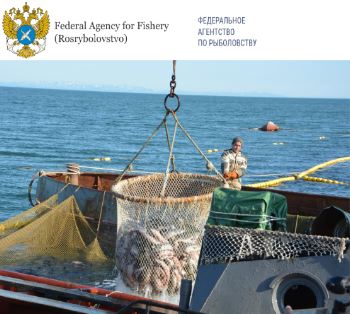
Photo: Federal Agency for Fisheries (Rosrybolovstvo) / FIS
Russian catches exceed 3.7 million tons while wild salmon season faces severe contraction
 RUSSIAN FEDERATION
Wednesday, September 30, 2026, 04:10 (GMT + 9)
Overall capture volume across the country's basins maintains a positive pace driven by pollock and Pacific herring, although the Far East salmon fishery records a 60.4% decline compared to the previous cycle.
The fishing fleet of the Russian Federation reached a cumulative volume of 3,672.2 thousand tons of aquatic bioresources as of September 28, 2026, according to data provided by the industry monitoring system of the Federal Agency for Fisheries (Rosrybolovstvo). Despite strong yields in key species such as pollock and Pacific herring, the industry faces a challenging scenario in the Pacific salmon fishery in the Far East, which shows a significant slowdown compared to reference periods of previous years.
.jpeg)
Breakdown by fishing basins
The productive performance of the national fleet was distributed as follows across the main marine and inland basins:
-
Far Eastern basin: Consolidates its position as the highest-yielding operational zone with 2,907.1 thousand tons harvested. In the breakdown by resource, pollock (Theragra chalcogramma) catches totaled 1,835.4 thousand tons (an increase of 41.5 thousand tons compared to the 2025 level); cod (Gadus macrocephalus) reached 97.2 thousand tons (an increase of 3.2 thousand tons over 2025); Pacific herring (Clupea pallasii) reached 542.6 thousand tons (an increase of 138.6 thousand tons compared to the equivalent period in 2025); and Far Eastern flounder contributed 53.1 thousand tons.
-
Northern basin: Recorded a total landing of 263.3 thousand tons. Of this volume, cod catches contributed 116 thousand tons, while haddock (Melanogrammus aeglefinus) accumulated 56.1 thousand tons (representing a growth of 9.5 thousand tons compared to 2025).
-
Western basin: Reached a cumulative 53.9 thousand tons. Notable catches include sprat at 34.3 thousand tons (an advance of 2.1 thousand tons compared to 2025) and Baltic herring at 14.3 thousand tons.
-
Azov-Black Sea basin: Reported a total volume of 22.7 thousand tons, where anchovy represented the main resource at 12.4 thousand tons.
-
Volga-Caspian basin: Accumulated 44.6 thousand tons, mainly divided between sprat at 14.4 thousand tons and ordinary freshwater species at 9.9 thousand tons (a slight increase of 0.3 thousand tons compared to 2025).
-
Exclusive Economic Zones (EEZ) of foreign states and Open Ocean: In the EEZs of foreign states, conventional areas, and international high seas waters, the Russian fleet extracted a total of 356,172 thousand tons.
.jpeg)
Evolution of the wild salmon fishery in the Far East
In parallel with the general balance, the Pacific salmon (Oncorhynchus) fishery in the Far East recorded a cumulative volume of 98,307 tons as of September 27, 2026. This figure reflects a drop of 60.4% when compared to the volume reached in the equivalent reference period of the previous cycle (248,045 tons).
In relation to the official projections estimated at the beginning of the season, set at 227,028 tons, the current catch level represents a fulfillment rate of 43.3%. During the last three evaluated days, the daily catch increase across the entire basin averaged 311 tons.
Distribution by administrative territories
The geographical distribution of wild salmon landings maintains a high regional concentration, highlighting operational differences by federal entity:
-
Kamchatka Krai: Leads regional catches by concentrating 56.9% of the cumulative total, reaching 55,912 tons.
-
Khabarovsk Krai: Ranks second with 25,362 tons, equivalent to 25.8% of cumulative catches.
-
Sakhalin Oblast: Contributes 11.9% of the regional total, recording 11,703 tons.
.jpeg)
-
Magadan Oblast: Represents 4.0% of landings, accounting for 3,944 tons.
-
Primorsky Krai: Accumulates 1,064 tons, equivalent to 1.1% of the regional catch.
-
Chukotka Autonomous Okrug: Records 322 tons, representing 0.3% of total production.
Catch composition by salmon species
In the taxonomic and commercial breakdown of salmon species (Oncorhynchus), the data confirms the following landing structure:
-
Pink salmon (Oncorhynchus gorbuscha): Constitutes the main resource of the season, totaling 41,644 tons and accounting for 42.4% of the global volume.
-
Chum salmon (Oncorhynchus keta): Holds second place in commercial importance with 34,078 tons, representing 34.7%.
-
Sockeye salmon (Oncorhynchus nerka): Records 18,751 tons, equivalent to 19.1% of catches.
.jpeg)
-
Coho salmon (Oncorhynchus kisutch): Reaches a volume of 3,632 tons (3.7%).
-
Chinook salmon (Oncorhynchus tshawytscha): Totals 157 tons (0.2%).
-
Masu salmon (Oncorhynchus masou): Accounts for the remaining volume with 45 tons (0.05%).
🇯🇵 日本語 (Japanese Version) | AIによる自動翻訳
ロシアの漁獲量が370万トンを突破、極東の天然サケ漁は大幅な縮小に直面
スケソウダラやニシンが牽引し国内各水域の全体漁獲量は好調なペースを維持する一方、極東地域のサケ漁獲量は前年同期比60.4%減少。
ロシア連邦の漁船団は、連邦漁業庁(Rosrybolovstvo)の業界モニタリングシステムのデータによると、2026年9月28日時点で累計367万2,200トンの水産生物資源を水揚げしました。スケソウダラや太平洋ニシンなどの主要魚種では堅調な漁獲量を記録しているものの、極東地域の太平洋サケ漁においては前年の参照期間と比較して大幅な減速がみられ、厳しい状況に直面しています。
水域別の漁獲実績内訳
国内漁船団の生産実績は、主要な海洋および内水面海域において以下のように分布しています:
-
極東水域: 累計290万7,100トンを水揚げし、最も高い操業実績を記録する主要エリアとしての地位を固めました。魚種別内訳では、スケソウダラ(Theragra chalcogramma)の漁獲量が183万5,400トン(2025年水準比4万1,500トン増)、太平洋タラ(Gadus macrocephalus)が9万7,200トン(2025年比3,200トン増)、太平洋ニシン(Clupea pallasii)が54万2,600トン(2025年同期比13万8,600トン増)、極東カレイ類が5万3,100トンを記録しました。
-
北部水域: 合計26万3,300トンの着岸水揚げを記録しました。このうちタラの漁獲量が11万6,000トンを占め、コッド・ハドック(Melanogrammus aeglefinus)は5万6,100トン(2025年比9,500トン増)を蓄積しました。
-
西部水域: 累計5万3,900トンに達しました。主な魚種としてスプラットが3万4,300トン(2025年比2,100トン増)、バルトニシンが1万4,300トンとなりました。
-
アゾフ・黒海海域: 総量2万2,700トンを報告し、アンチョビが主要資源として1万2,400トンを占めました。
-
ヴォルガ・カスピ海海域: 累計4万4,600トンとなり、主にスプラットが1万4,400トン、一般的な淡水魚種が9,900トン(2025年比300トン微増)となりました。
-
外国の排他的経済水域(EEZ)および公海: 外国のEEZ、条約海域、および世界の大洋の公海水域において、ロシア漁船団は合計35万6,172トンを水揚げしました。
極東における天然サケ漁の動向
全体的な漁獲バランスと並行して、極東地域における太平洋サケ(Oncorhynchus)漁は2026年9月27日時点で累計9万8,307トンを記録しました。この数値は、前サイクルの同等参照期間に達した水準(24万8,045トン)と比較して60.4%の減少を示しています。
シーズン開始時に設定された22万7,028トンという公式予測値に対して、現在の漁獲水準は計画達成率43.3%にとどまっています。直近の3日間の評価期間において、水域全体での1日あたりの漁獲増加量は平均311トンとなりました。
行政区域別の地域分布
天然サケの水揚げにおける地理的分散は高い地域集中度を維持しており、連邦構成主体ごとの操業差が顕著です:
-
カムチャツカ地方: 地域全体の累計の56.9%を占め、5万5,912トンに達して地域トップの座を維持しています。
-
ハバロフスク地方: 2万5,362トン(25.8%)で第2位につけています。
-
サハリン州: 地域全体の11.9%に相当する1万1,703トンを記録しました。
-
マガダン州: 水揚げ量の4.0%にあたる3,944トンを占めています。
-
沿海地方: 1,064トン(1.1%)を蓄積しています。
-
チュコト自治管区: 322トンを記録し、総生産量の0.3%となっています。
サケ魚種別の捕獲組成
サケ属(Oncorhynchus)の分類学的および商業的内訳において、データは以下の着岸水揚げ構造を裏付けています:
-
カラフトマス(ピンクサーモン)(Oncorhynchus gorbuscha): 今シーズンの主軸資源として合計4万1,644トンを記録し、全体量の42.4%を占めています。
-
シロザケ(ケタサーモン)(Oncorhynchus keta): 商業的重要性で第2位となり、3万4,078トン(34.7%)を占めました。
-
ベニザケ(ネルカサーモン)(Oncorhynchus nerka): 1万8,751トン(19.1%)を記録しています。
-
ギンザケ(コーホサーモン)(Oncorhynchus kisutch): 3,632トン(3.7%)に達しました。
-
マスノスケ(キングサーモン/チャヌークサーモン)(Oncorhynchus tshawytscha): 合計157トン(0.2%)となっています。
-
サクラマス(マスサーモン)(Oncorhynchus masou): 残りの45トン(0.05%)を占めています。
🇨🇳 中文 (Simplified Chinese Version) | 由人工智能自动翻译
俄罗斯捕捞量突破370万吨,远东野生鲑鱼季面临严重萎缩
在狭鳕和太平洋鲱鱼的推动下,全国各流域的总捕捞量保持积极势头,但远东地区的鲑鱼捕捞量同比下降60.4%。
根据俄罗斯联邦渔业署(Rosrybolovstvo)行业监测系统的数据,截至2026年9月28日,俄罗斯联邦捕捞舰队已累计捕捞水生生物资源367.22万吨。尽管狭鳕和太平洋鲱鱼等主要物种产量强劲,但远东地区的太平洋鲑鱼捕捞业面临严峻形势,与往年同期相比出现大幅放缓。
各渔业流域捕捞量明细
全国舰队的生产绩效在主要海洋和内陆流域的分布如下:
-
远东流域: 巩固了其作为产量最高作业区的地位,累计捕捞290.71万吨。按资源明细划分,狭鳕(Theragra chalcogramma)捕捞量达183.54万吨(比2025年水平增加4.15万吨);太平洋鳕鱼(Gadus macrocephalus)达9.72万吨(比2025年增加0.32万吨);太平洋鲱鱼(Clupea pallasii)达54.26万吨(比2025年同期增加13.86万吨);远东比目鱼贡献了5.31万吨。
-
北部流域: 记录的总卸货量为26.33万吨。在此总量中,鳕鱼捕捞量贡献了11.6万吨,黑线鳕(Melanogrammus aeglefinus)累计达到5.61万吨(与2025年相比增长0.95万吨)。
-
西部流域: 累计达到5.39万吨。主要物种包括西鲱3.43万吨(比2025年增加0.21万吨)和波罗的海鲱鱼1.43万吨。
-
亚速海-黑海流域: 报告总捕捞量为2.27万吨,其中鳀鱼为主要资源,达到1.24万吨。
-
伏尔加-里海流域: 累计达到4.46万吨,主要分为西鲱1.44万吨和普通淡水鱼类0.99万吨(比2025年略增0.03万吨)。
-
外国专属经济区(EEZ)及公海: 在外国专属经济区、公约区域和世界大洋公海海域,俄罗斯舰队共捕捞35.6172万吨。
远东野生鲑鱼渔业的发展动态
在总体捕捞平衡的同时,远东地区的太平洋鲑鱼(Oncorhynchus)渔业截至2026年9月27日记录的累计捕捞量为98,307吨。与上一周期同期达到的参考水平(248,045吨)相比,这一数字反映了60.4%的降幅。
相对于开航季预期的227,028吨官方预测,目前的捕捞水平仅完成了配额的43.3%。在最近评估的三天里,整个流域的日捕捞增长量平均为311吨。
各行政领地分布
野生鲑鱼卸货量的地理分布保持着高度的区域集中度,突出了各联邦主体之间的作业差异:
-
堪察加边疆区: 集中了区域累计总量的56.9%,达到55,912吨,继续保持区域领先地位。
-
哈巴罗夫斯克边疆区: 以25,362吨(25.8%)位居第二。
-
萨哈林州: 贡献了区域总量的11.9%,记录为11,703吨。
-
马加丹州: 占卸货量的4.0%,达到3,944吨。
-
滨海边疆区: 累计达到1,064吨(1.1%)。
-
楚科奇自治区: 记录为322吨,占总产量的0.3%。
鲑鱼物种捕捞结构
在鲑鱼属(Oncorhynchus)物种的分类和商业明细中,数据确认了以下卸货结构:
- 粉鲑(细鳞大麻哈鱼)(Oncorhynchus gorbuscha): 构成本航季的主要资源,总量达41,644吨,占全球总量的42.4%。
- 大麻哈鱼(大麻哈鱼)(Oncorhynchus keta): 商业重要性位居第二,达到34,078吨(34.7%)。
- 红鲑(红大麻哈鱼)(Oncorhynchus nerka): 记录为18,751吨(19.1%)
- 银鲑(银大麻哈鱼)(Oncorhynchus kisutch): 达到3,632吨(3.7%)。
- 大生鲑/帝王鲑(大马哈鱼)(Oncorhynchus tshawytscha): 总计157吨(0.2%)。
- 樱鲑(马苏大麻哈鱼)(Oncorhynchus masou): 占剩余产量的45吨(0.05%)。
[email protected]
www.seafood.media
|
|





 Print